SADONG JAYA: The Sarawak Government remains committed to expanding its road network across the state to ensure development is enjoyed inclusively, especially by rural communities.
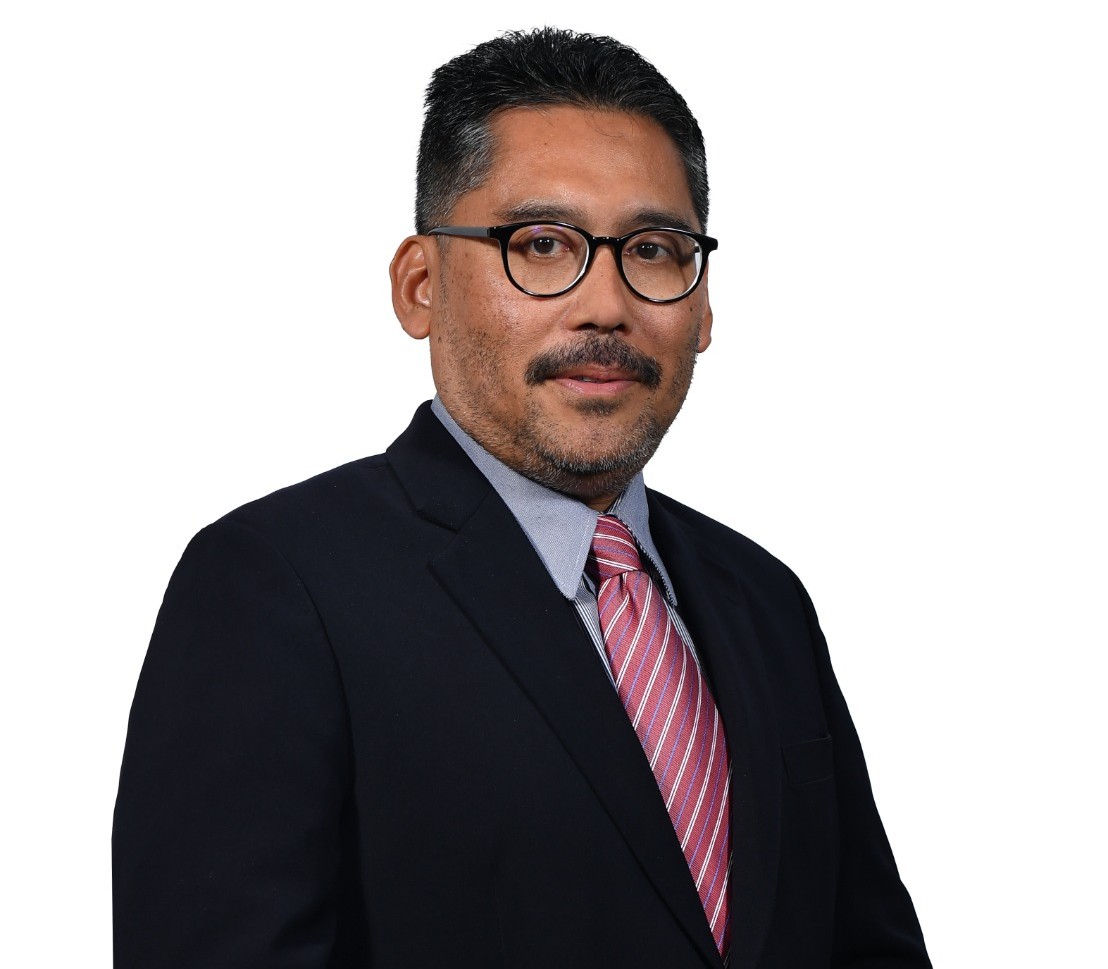
Deputy Minister in the Premier’s Department (Project Coordinator for Regional Development Agencies, Kuching North City Hall and Islamic Affairs), Datuk Dr Abdul Rahman Junaidi, said that under the leadership of the Premier, infrastructure development efforts are being carried out extensively, including the construction of new road networks for areas that were previously only accessible by river or long travel.
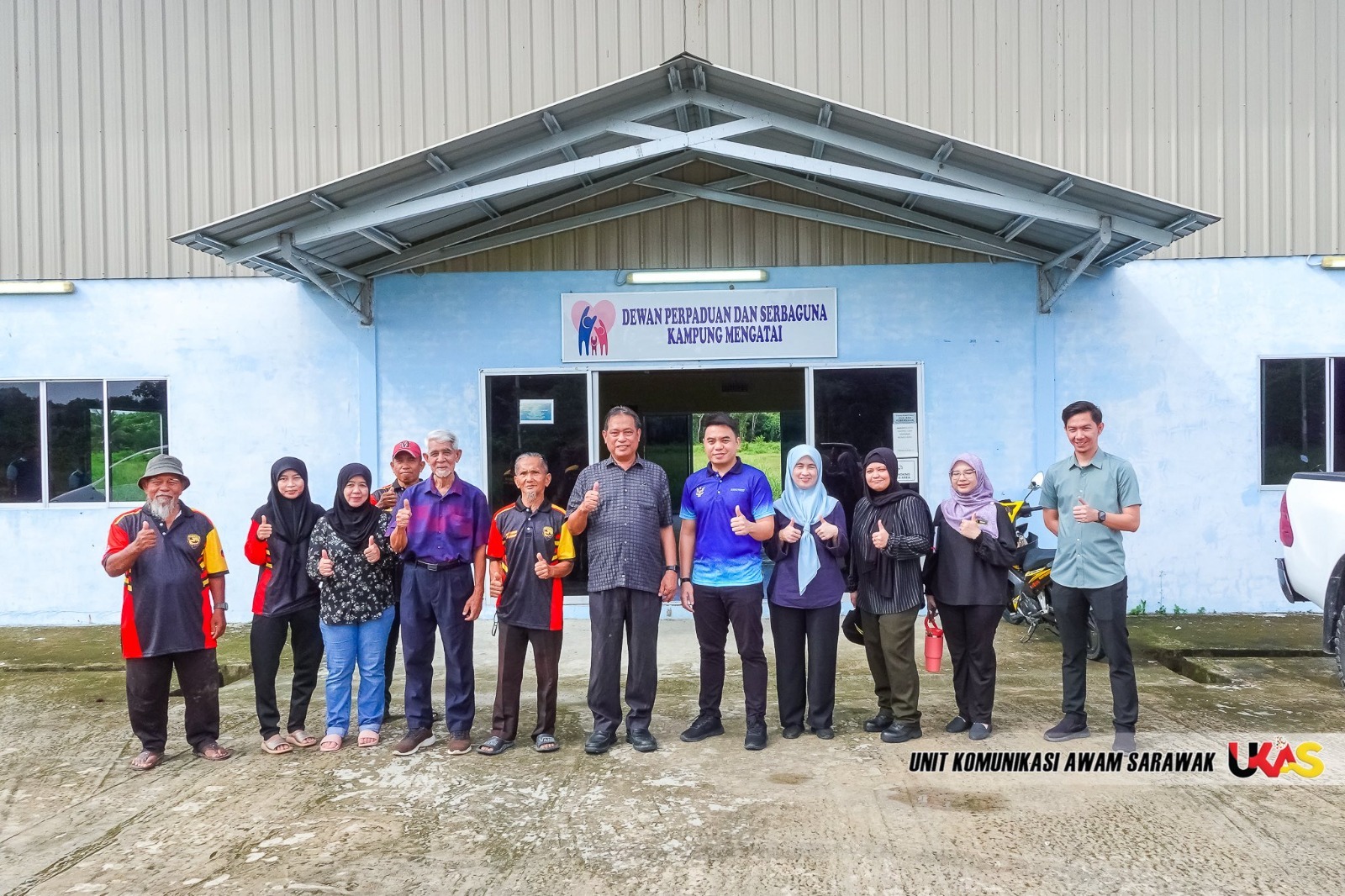
“Sarawak is the largest state in Malaysia, and many communities used to face difficulties travelling to urban areas due to the lack of road networks. However, the government has now put in place comprehensive plans to ensure all areas have access to road connectivity,” he said when officiating at the Rangawan Zone 4 Community Day Programme closing event organised by the Sarawak Public Communications Unit (UKAS) held recently.
Dr Abdul Rahman added that one of the largest projects considered a catalyst for development is the construction of a new 142-kilometre road in Baram, which will pass through forest and swamp areas.
The project begins this year and is expected to be fully completed within four years.
“When completed, this project is expected to fully open up Baram and act as a major catalyst for economic growth, access to social services and wider development opportunities for the local community,” he said, emphasising that although the project requires significant government investment, it is crucial for Sarawak’s future.
He also stressed that state development can only be carried out in an orderly manner when unity among the people is preserved, in line with the government’s aspiration to develop Sarawak in a balanced and inclusive way.
“The people of Sarawak are well known for their spirit of unity. Although we differ in ethnicity and culture, we are not divided. These differences are our strength, and this is what makes it easier to drive the state’s development agenda,” he added.