SARAWAK’S transition towards a performance-driven public sector is gaining momentum, with key reforms in results-based budgeting (RBB), digital performance management and procurement modernisation now taking shape.
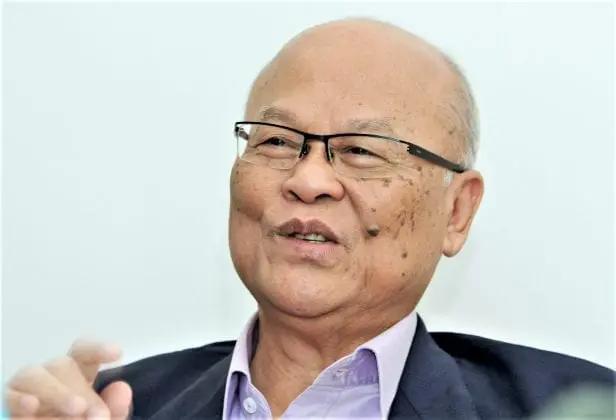
Deputy Premier and Minister of Infrastructure and Port Development, Datuk Amar Douglas Uggah Embas, said this year marked significant progress in the state’s shift from traditional budgeting methods to results-oriented planning.
Additionally, he said the inaugural Results Framework for Budget 2025, developed with the World Bank and involving ministries, departments, local authorities, statutory bodies and government-linked companies, is now fully implemented.
“This framework became the foundation for the preparation of the 2026 Budget, ensuring that allocations are linked to clear outcomes and measurable indicators,” he said.
He said intensive training sessions were conducted for Budget Review Officers to ensure they are equipped to assess not only expenditure but the results expected from each allocation, supporting this shift.
“This is an important step in strengthening their capacity to evaluate budget proposals based on outcomes, not just inputs,” he added.
Uggah said a major milestone in the reform agenda is the procurement of the Performance and Results Management Solution System (PReMaS), a digital platform that integrates planning, budgeting, monitoring, evaluation and reporting.
“Intensive trainings were carried out to prepare ministries, departments, local authorities, selected statutory bodies and GLCs for its full adoption.
“This is a major step forward in digitalising performance management and embedding data-driven decision-making across government,” he said.
He stated that the shift toward outcomes requires a change in mindset.
“While the term ‘outcome’ may be familiar, its practical application demands moving away from traditional ways of doing things.
“Continuous refinement of results frameworks, stronger monitoring and evaluation, and further capacity-building would bring Sarawak closer to a performance-driven culture that places accountability, transparency and measurable results at the centre of government decision-making,” he said.
Uggah mentioned major revisions to the state’s policies and procedures for government-funded works, supplies and services.
One key change is the increase in the financial limit for the direct appointment of consultants for physical development projects (excluding survey works) from RM10 million to RM50 million.
The revision applies to all ministries, departments, statutory bodies, local authorities and regional development agencies.
“The increased financial limit and authority are a strategic initiative that balances control with flexibility.
“With proper governance mechanisms in place, this delegation will contribute significantly to better project outcomes, institutional agility and more effective public service delivery,” he said.
Uggah also said there has been strong progress on the State e-Procurement System, a key digital modernisation initiative.
“Stage 1, covering the e-Direct Purchase module, has been fully completed, while Stages 2 and 3 remain on schedule for completion by December.
“The system is expected to be rolled out next year,” he said.