KUCHING: The RM12.9 billion Sarawak Budget 2026 reflects the state government’s commitment to sustaining stable economic growth while ensuring the well-being of its people.
The main focus of the budget is on the development of basic infrastructure, digital transformation, renewable energy—including the aspiration to become a leader in green hydrogen—and significant investment in human capital development, alongside support for improving the quality of public services and programmes that enhance the welfare of the people, which together form the core pillars of this budget.
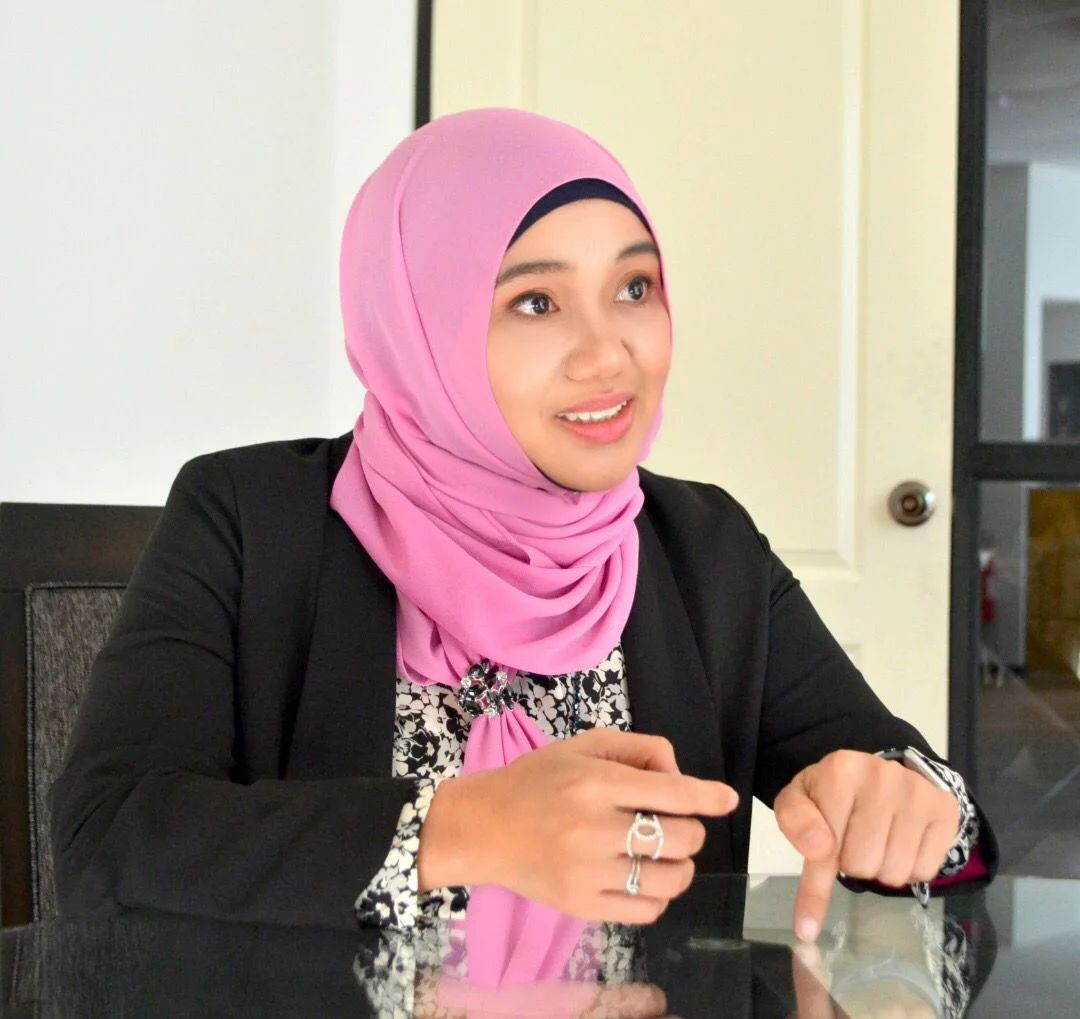
Universiti Malaysia Sarawak’s (UNIMAS) Economics and Business Faculty senior lecturer Dr Aila Abdul Latif, gives her take on the Sarawak 2026 Budget, tabled by the Premier, Datuk Patinggi Tan Sri Abang Johari Tun Openg, on Nov 24.
SARAWAK TRIBUNE: The 2026 Budget projects a surplus of RM144 million despite an uncertain global economic environment. What do you see as the main factors contributing to Sarawak’s fiscal sustainability?
Dr Aila: This projected surplus is certainly based on diversified revenue sources that do not rely solely on one sector, and it needs to remain stable. To understand this, Sarawak’s fiscal sustainability is underpinned by state sales tax collection, which continues to be a major contributor. Revenue is expected from a mix of state taxes and significant non-tax sources such as royalties, premiums, dividends, licences, and others. With total state revenue estimated at RM13.05 billion, this diversified income base demonstrates prudent financial management.
This budget allocates strategic funding for infrastructure, high-quality tourism, technology-driven agriculture, renewable energy, and the digital economy, laying a solid foundation for long-term efforts to establish Sarawak as a regional economic power and a prime investment destination.
However, the real success will depend heavily on project implementation, policy effectiveness, and the attractiveness to both domestic and international investors. In this context, we can assess whether we are on the right track by benchmarking against state Gross Domestic Product (GDP) growth compared with the region, total incoming investment, creation of high-value jobs, state revenue returns, productivity in key sectors, infrastructure and logistics indices, and Sarawak’s position in regional investment competitiveness rankings year by year.
SARAWAK TRIBUNE: With state revenue estimated at RM13.05 billion, what strategies have the most potential to strengthen the state’s position and stimulate broader economic growth?
Dr Aila: Recognising global uncertainties such as volatile commodity or oil prices, Sarawak has taken steps to re-engineer its revenue and diversify the economy to reduce vulnerability. With a diversified revenue structure, the state can buffer fluctuations in commodity prices or external shocks, ensuring that income streams remain more stable.
To mitigate the impact of global risks, this budget places strong emphasis on economic diversification. By developing domestic sectors, Sarawak reduces reliance on global trends and builds resilience through productive activities, high-tech smart agriculture, tourism, renewable energy, and more.
We also see significant allocations for heritage, cultural, and nature-based ecotourism infrastructure, focusing on sustainable tourism with unique offerings. In examining Sarawak’s emphasis on projects with long-term economic returns, we see large-scale initiatives such as renewable energy developments (hydro and solar), strategic infrastructure like rural connectivity roads, Automated Rapid Transit (ART), highways, digital infrastructure, and investment in data centres. These projects not only attract domestic and foreign investment but also create new economic ecosystems that provide lasting benefits to the people and the state.
SARAWAK TRIBUNE: What indicators do you recommend to measure the real impact of state investment each year?
Dr Aila: Generally, there are many indicators to consider when evaluating the real impact of state investments. These include state GDP growth, increased revenue through taxes, royalties, dividends from government-linked companies, total incoming investment attracted to government-developed projects, creation of new jobs including average wages and participation in high-skilled sectors.
Progress in basic and digital infrastructure can also be measured by project completion rates, return on investment, and growth in target industries such as ecotourism, hydrogen, digital economy, high-tech manufacturing, and more. Not to be overlooked are the common indicators used in analysing social welfare, such as poverty rates, household income, urban and rural well-being, cost of living, and others. Using these measures, it is possible to assess the extent to which these investments generate economic returns, boost sector productivity, and contribute consistently to improving the standard of living for the people.
SARAWAK TRIBUNE: Over RM6.1 billion has been allocated for rural development. What do you see as the most significant socio-economic transformation?
Dr Aila: Building on the core aspiration to improve the well-being of the people, we can see that this year’s focus on rural development encompasses the implementation of community projects, regional development agency initiatives, and various special programmes aimed at socio-economic transformation. This includes improving access to basic infrastructure such as roads, water supply, electricity, and digital networks, thereby reducing the urban–rural gap.
In this context, the Sarawak 2026 Budget prioritises a significant portion of development expenditure for rural areas to address disparities. Providing stable basic utilities such as electricity, clean water, and digital connectivity gives rural communities access to essential services, enhances quality of life, education, and healthcare, and enables smoother economic activity. Moreover, it opens new economic opportunities through high-tech smart agriculture, community-based tourism, and micro and small enterprises, which boost household income, create high-value jobs, and strengthen the overall well-being of rural communities.
SARAWAK TRIBUNE: The government is also expanding internet and digital network coverage. What is the real potential of the rural digital economy in generating new income for residents?
Dr Aila: In the transition towards modernisation through agricultural innovation, digital technology, and empowering the state to improve self-sufficiency, integrated support for smallholder farmers is essential. This includes training in technology-based agriculture, easy access to smart farming tools, input subsidies, and marketing networks that link them directly to premium markets.
Additionally, incentives such as micro-credit schemes, community cooperatives, and matched agricultural grants can be expanded to provide more stable income, increase productivity, and maintain competitiveness in a high-value agricultural ecosystem.
The digital economy has the potential to open multiple new income streams for rural residents through e-commerce, online marketing of agricultural and handicraft products, community-based tourism platforms, and home-stays. They can also participate in the gig economy in digital service sectors without being physically tied to a specific location. This represents a long-term, strategic plan to empower rural communities to generate income and entrepreneurial value, despite the realities of limited access, logistics costs, and Sarawak’s vast geography.
SARAWAK TRIBUNE: Welfare programmes such as the Sumbangan Keperluan Asas Rakyat (SKAS), support for the elderly, maternity assistance, and aid for the B40 group have been strengthened. How do you assess the effectiveness of these targeted assistance initiatives?
Dr Aila: In ensuring the prosperity and resilience of communities for the future, it is interesting to examine the approach through job creation and enhancing home ownership across people from various backgrounds. Specifically for the B40 group, affordable housing policies help reduce rental burdens and living costs, providing opportunities to improve the living standards of future generations.
Of course, guaranteeing full inclusivity is not easy, as it requires responsive policies that address current realities, reach all segments of society, and are supported by prudent and strategic resource management. The success of this approach not only improves the well-being of the people but also strengthens the state’s fiscal resilience in the long term, making development more sustainable and impactful.
The effects will not be felt immediately in two or three years; it may take 10 to 15 years for the full transformation to be realised if planning and implementation are carried out effectively. What we do today is not only about achieving short-term gains but also about benefits for future generations.
In practice, it is easier to view these target groups in terms of enhancing their capabilities, covering basic expenses, and reducing living costs. Therefore, the mandatory expenditure components for persons with disabilities and the B40 group include food, transportation, healthcare, and children’s education.
This is crucial in terms of effectiveness, as it directly increases the capacity of these groups. Furthermore, when discussing effectiveness, it is important that programmes are implemented in a targeted manner, focusing on recipients who genuinely need assistance, without leakages or inefficiencies. Beyond helping them manage basic living expenses, we can also observe improvements in recipients’ quality of life. For instance, they gain access to more consistent healthcare, experience less stress, avoid debt, and more. Such indicators are important when evaluating quality of life and can be observed indirectly.
Subsequently, if we conduct studies or analysis after several months, we can evaluate the situation of these target groups. Can they stabilise household incomes that were previously on the verge of being critical? If these assistance programmes are managed more effectively, they could stabilise household incomes within a few months or over a longer period. Importantly, this is crucial to prevent them from falling into early-stage poverty or urban poverty.
SARAWAK TRIBUNE: Various grants and training programmes for women and youth entrepreneurs have been expanded. How do you see the role of this approach in shaping a new generation of entrepreneurs?
Dr Aila: In fact, if we look at it, these initiatives act more as a strategic catalyst. It’s not just about providing capital or skills, but about building a more mature and thriving entrepreneurial ecosystem. This cannot happen overnight. Therefore, if we need a platform to practice and learn, grants and training programmes are the most effective means to accelerate the development of core competencies, including business management, digital skills, innovation, and more. These skills need to be honed.
As a result, youth and women become better prepared—not merely motivated or helping their families. Such support also fosters long-term entrepreneurial competitiveness by facilitating access, providing networks, mentorship, and relevant market opportunities. Overall, this will produce a generation of entrepreneurs who are more competitive, resilient, and capable of contributing to economic inclusivity and long-term inclusive economic growth, with diversity in skills, productivity, and other aspects.
SARAWAK TRIBUNE: What is the long-term potential of high-value sectors such as semiconductors, bioindustry, and the green economy for Sarawak’s economic structure?
Dr Aila: I think it is very clear because we aim to transform Sarawak’s economic structure comprehensively. From a commodity- and traditional-based economy, we want to shift towards a technology-, knowledge-, and innovation-driven economy. This transition will lead us towards a high-income economy as it provides better wage prospects, directly improving people’s income and transforming Sarawak into a high-income economy. It is therefore crucial to move into high-value sectors that are more resilient and economically sustainable in the long term.
Furthermore, linking this to foreign direct investment (FDI) in advanced sectors such as bioindustry, semiconductors, and the green economy, the aim is to build a reliable ecosystem with innovation, technical talent, and more. When we invest in these sectors, it is for the long term.
In fact, these FDI flows also bring technology transfer to Sarawak, which helps develop high-quality local talent. This creates a strong supply chain in logistics, automation, engineering, research, and development. We can describe this as building a complete ecosystem.
Currently, we are stimulating investment to create a value chain for new industrial ecosystems. When everything functions well, it generates spillover effects that stimulate the local economy and support local entrepreneurs. Looking at the regional leadership perspective, this aligns with our global direction. What we are doing now is crucial as a foundation for achieving a high-income, advanced region in the future.
SARAWAK TRIBUNE: Sarawak is also allocating substantial funds for TVET, higher education, and industrial training. How can this help shape future industries such as green energy and high-tech manufacturing?
Dr Aila: This investment can be seen as a long-term strategy because it is not just about creating job opportunities or opening employment sectors from an economic perspective. What we are actually doing is industrial training while building support structures and a backbone, as local talent is crucial for competitiveness and sustainability in the long term—not just for immediate results. Otherwise, we will not endure.
Therefore, investing in the education sector is essential for transitioning to an advanced economy. Only then can we produce the skilled workforce needed by industry. At the same time, we cannot act alone; the government requires support from various parties, including industries, companies, universities, and others. It is not merely about opening employment sectors but about preparing a robust ecosystem to sustain growth over the long term.
SARAWAK TRIBUNE: Overall, what are your expectations from this budget, including the potential economic spillover from the establishment of AirBorneo?
Dr Aila: The economic spillover is expected to be extensive because the presence of AirBorneo is not only about consumer demand or customer perspectives. We are looking at a broader scope through a new economic network. Directly, more flights to Sarawak will increase tourist arrivals, which will drive local economic growth in various ways, including spending on food, transportation, local products, and more. From a logistics perspective, AirBorneo will make Sarawak more competitive in the export sector by facilitating the shipment of local products overseas.
Of course, when discussing employment, the aviation industry will create career opportunities for cabin crew, technical staff, engineers, hospitality professionals, ICT specialists, and systems personnel. This provides local workers with the chance to explore and become part of a highly skilled workforce. From an economic connectivity standpoint, AirBorneo will strengthen interlinked sectors such as tourism, business, entrepreneurship, logistics, and investment. All of this contributes to reinforcing Sarawak as a regional hub capable of connecting trade between regions, cross-border tourism, industrial events, and more. In short, when we talk about competing on the global stage, AirBorneo represents one of the key new economic networks that Sarawak needs to be competitive and strategically aligned with regional and international destinations.