SINGAPORE: The Sarawak civil service (SCS) must continuously review its work processes and procedures to improve delivery systems, reduce bureaucratic red tape and strengthen efficiency in serving the people.
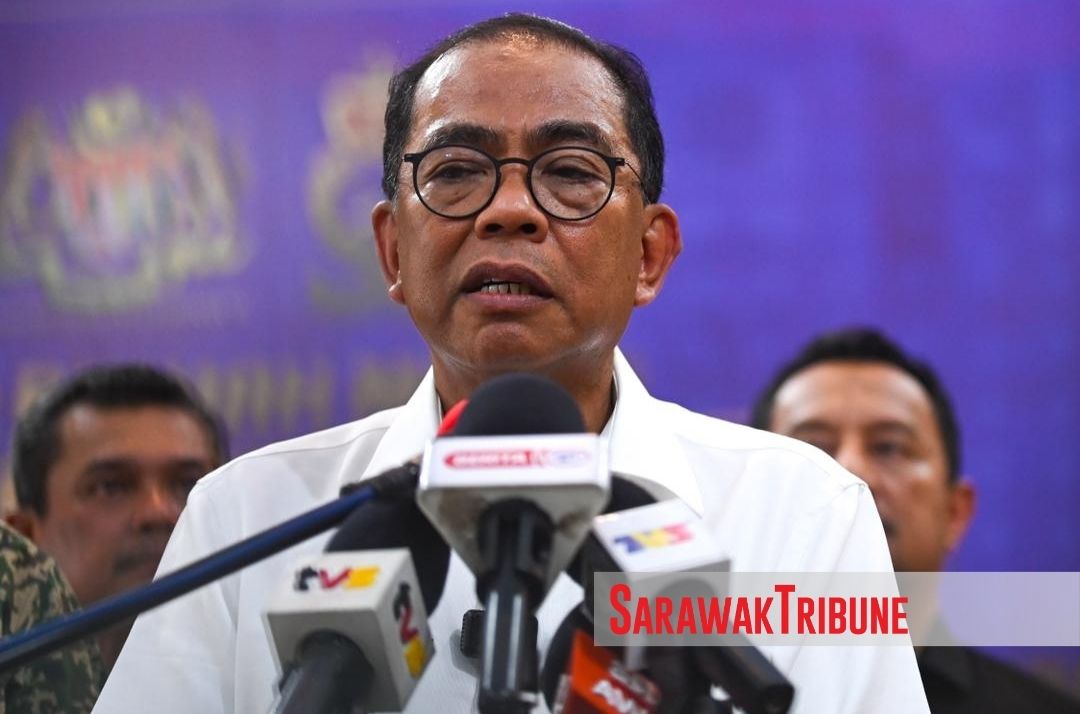
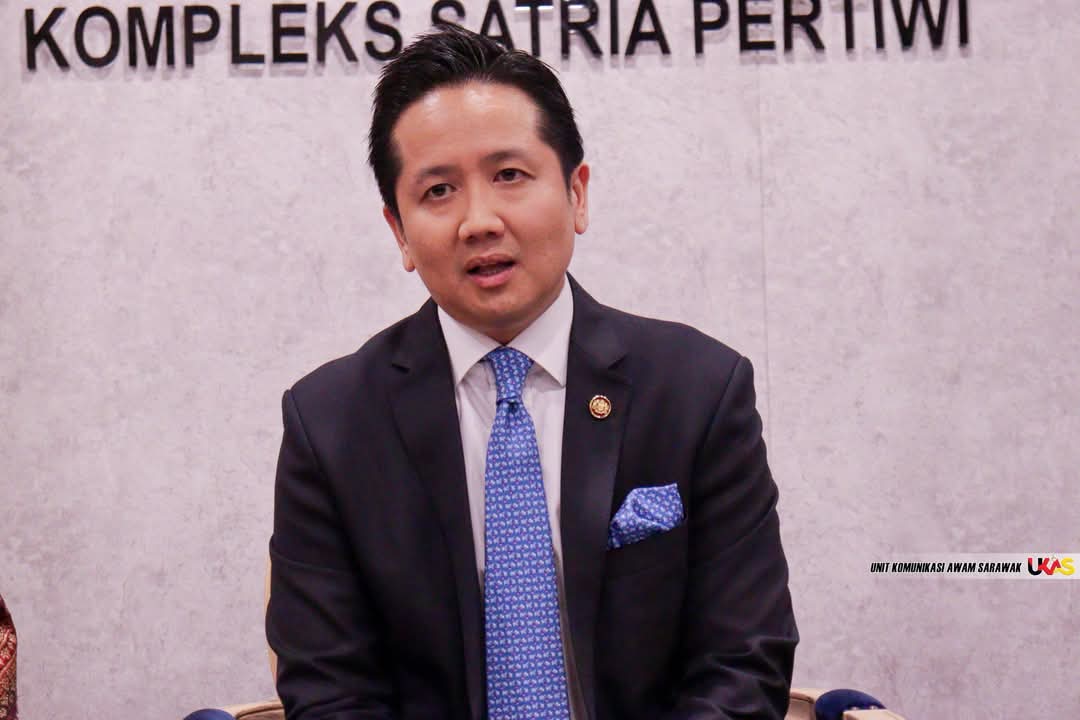
State Secretary Datuk Amar Mohamad Abu Bakar Marzuki said regular assessments would enable the service to make improvements in line with technological advancements and current needs, ultimately fostering a more efficient, responsive and results-oriented work culture.
“This is crucial to ensure Sarawak’s administrative system remains relevant, agile and adaptable to policy changes, technological progress and evolving demands,” he said at the opening of the Sarawak Civil Service One Team Retreat (OTR) 2025 here on Tuesday (Oct 14).
He pointed out that in today’s performance-based governance era, civil servants must be bold in transforming existing work methods and not be bound by outdated practices that hinder organisational efficiency.

“As leaders, we must be aware that change is constant and policies will evolve.
“If we fail to adapt, our departments will fall behind and eventually become irrelevant,” he stressed.
Abu Bakar also urged every agency and department to make continuous evaluations of their work processes as part of their organisational culture.
This, he said, would allow weaknesses in the delivery system to be identified and addressed proactively.
“If there is a lack of knowledge or capacity, training and self-development through a ‘recharge’ process are needed to ensure departments remain prepared for future challenges,” he added.
He stressed the importance of strategic cooperation among government agencies to build mutual understanding and strong working relationships.
“There should not be any heads or deputies who don’t speak to each other.
“We must build a united and supportive team. Only through close cooperation can we ensure that the SCS continues to progress and remain competitive,” he said.
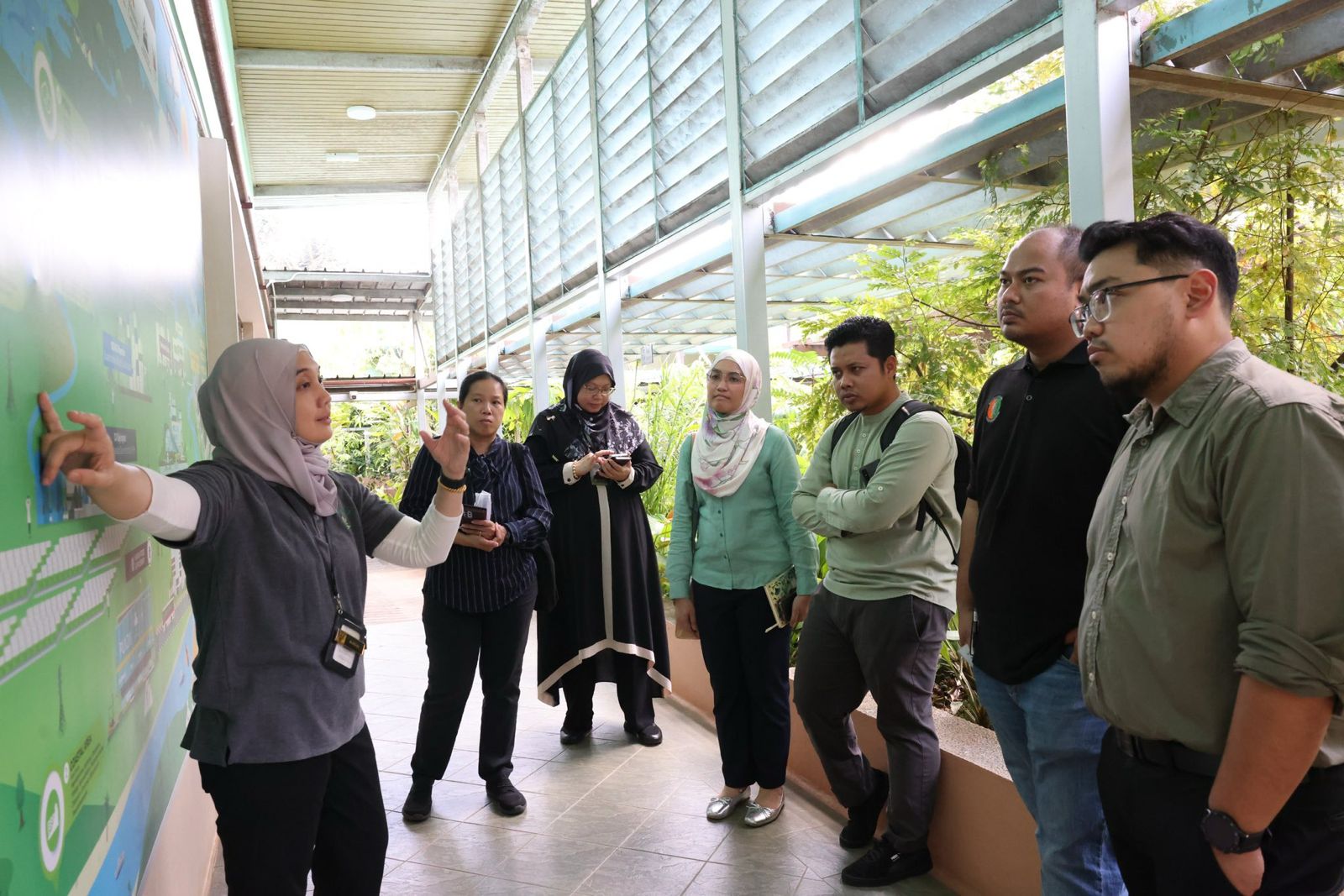
On the choice of Singapore as the venue for this year’s SCS OTR, he explained that the country is regarded as a model of good governance, urban development and civil service efficiency, providing valuable inspiration for Sarawak.
The first day of the programme began with a morning exercise session followed by a main programme featuring 14 panelists who shared strategies and achievements in economic development, workforce transformation and infrastructure development through three forums.
Among those present were State Attorney-General Datuk Seri Saferi Ali, State Financial Secretary Datuk Seri Dr Wan Lizozman Wan Omar, Deputy State Secretary (Economic Planning and Development) Datuk Seri Dr Muhammad Abdullah Zaidel, Deputy State Secretary (Administration) Datuk Buckland Bangik, and Deputy State Secretary (Operations) Datuk Hii Chang Kee.