KUCHING: Sarawak is working towards building an integrated energy ecosystem that combines generation, storage, transmission and consumption to strengthen the State’s energy system and create new opportunities for investment and innovation.
Deputy Premier Datuk Amar Awang Tengah Ali Hasan said hydropower and cascading dams, complemented by pumped-hydro storage, would remain important pillars of Sarawak’s energy system.
“At the same time, the next phase of development will focus on diversification, integration and resilience. Solar, biomass, energy storage and other clean technologies can complement our existing strengths,” he said.
He said Sarawak is also exploring innovative ways to optimise existing assets, including the potential for large-scale floating solar on hydropower reservoirs.
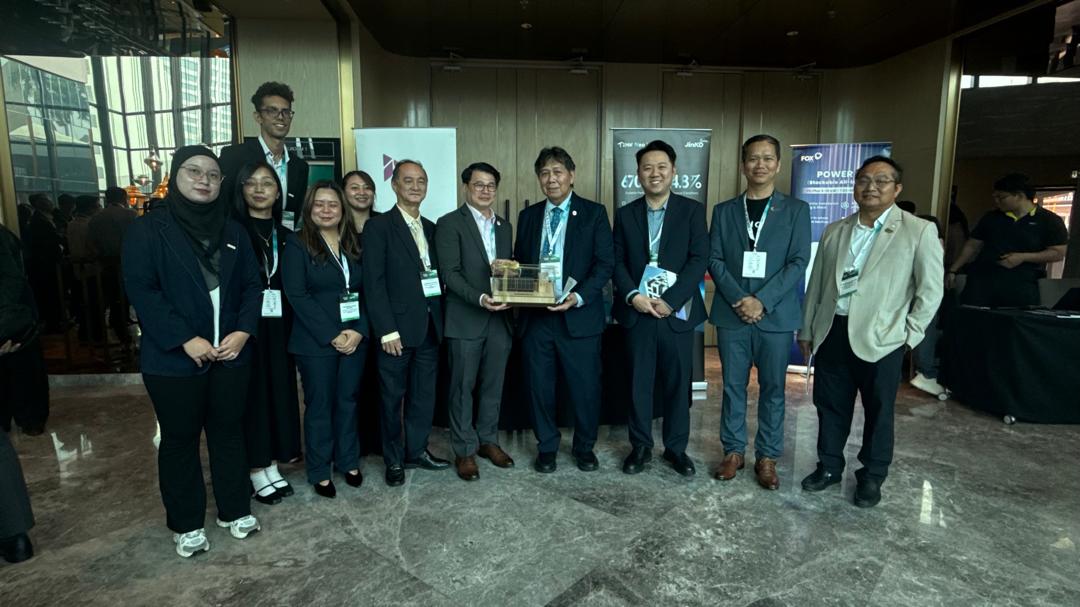
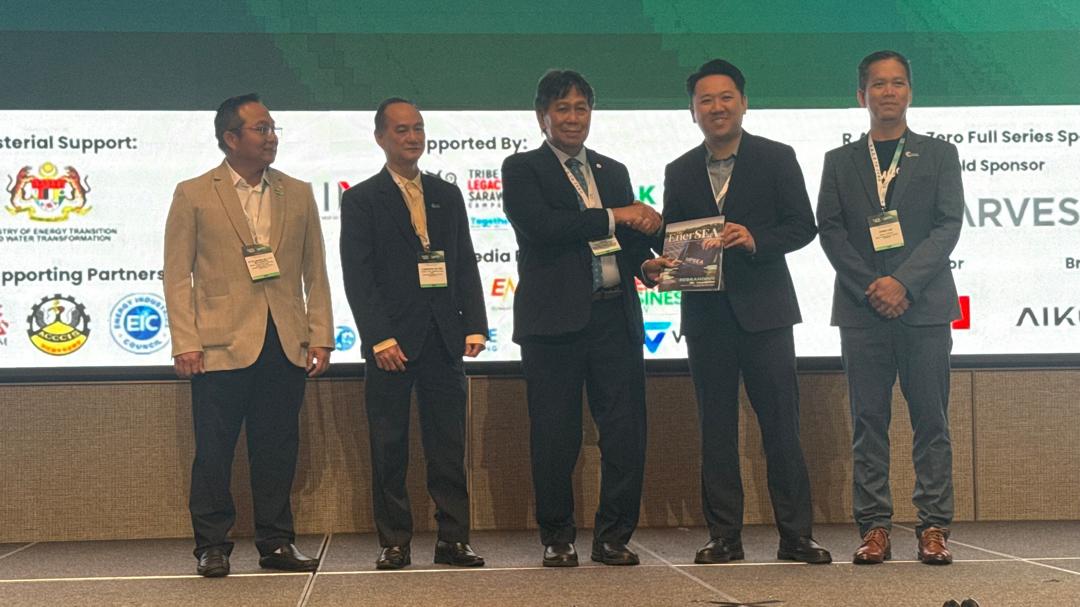
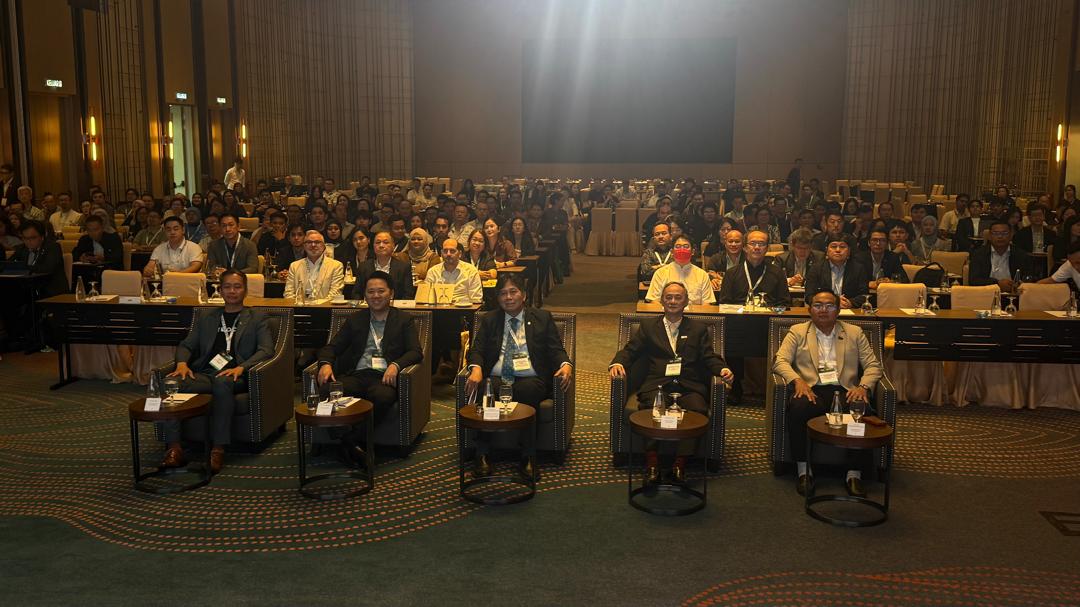
“This will allow us to expand renewable generation while making better use of existing infrastructure,” he said in his speech in conjunction with the R.A.C.E To ZERO Kuching Edition held here today (Sept 8).
His speech was read by Deputy Minister for International Trade, Industry and Investment Datuk Dr Malcolm Mussen Lamoh.
Awang Tengah, who is also the Minister for International Trade, Industry and Investment said the development of renewable energy must be supported by stronger transmission, distribution and grid infrastructure to ensure a more integrated and resilient energy system.
He said this would create significant opportunities for investment, technology, innovation and new businesses, with Sarawak welcoming strategic partners who could bring capital, technology, expertise and global market access.
At the same time, he stressed that such partnerships must strengthen local capabilities by enabling local companies to participate in global supply chains, developing world-class skills among Sarawakians and strengthening collaboration between industry, universities and research institutions.
“The energy transition must therefore do more than increase investment. It must build Sarawak’s own capabilities and strengthen the participation of Sarawakians in the new economy,” he said.
Awang Tengah also stressed that the energy transition must be inclusive, with small and medium enterprises (SMEs) playing an active role in the transformation.
He said sustainability requirements could initially appear to SMEs as an additional compliance burden, but they should instead be supported in turning sustainability into a business advantage.
“Companies that demonstrate credible sustainability practices will be better positioned to participate in multinational supply chains, meet international standards and compete in global markets,” he said.
He said Sarawak needed to strengthen the knowledge, technology, financing and capabilities available to SMEs so they could participate effectively in the low-carbon economy.
“Our SMEs should not merely adapt to new sustainability requirements. They should be positioned to capture new markets, supply new industries and become stronger participants in global value chains,” he said.
He added that the Race to Zero should therefore also be a race towards greater competitiveness for businesses of all sizes.