KUCHING: Forests in Sarawak are increasingly being recognised not only for their ecological value but also as key drivers of livelihoods and long-term economic sustainability.
According to the World Wide Fund for Nature (WWF) Malaysia, this year’s International Day of Forests theme, “Forests and Economy”, underscores the role of forests in supporting income generation, food systems and environmental stability.
Sarawak’s forests contribute between RM2.8 billion and RM3.5 billion annually to the state’s economy, covering timber, non-timber forest products, ecotourism and ecosystem services, based on figures cited from the Forest Department Sarawak.
WWF-Malaysia Sarawak Conservation Head Cynthia Chin said the figures reflect forests as both natural heritage and economic assets that provide long-term value.
“Forests supply raw materials, food and medicine, while also delivering ecosystem services such as clean water, flood protection and carbon storage, which help reduce costs over time,” she said in a press statement issued by WWF Malaysia.
In Sri Aman, WWF-Malaysia is working with the Ulu Ai Kanan community in the Ulu Sungai Menyang landscape to strengthen orangutan conservation while improving local livelihoods.
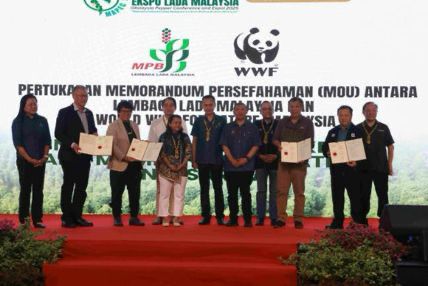
Implemented with the Ulu Ai Conservancy and funded by the German Federal Ministry for Economic Cooperation and Development, the project focuses on maintaining forest connectivity and promoting sustainable resource management through a community conserved area approach.
Cynthia revealed that recent surveys recorded an increase in the orangutan population in the area.
“Our Terrestrial Mammal team carried out marked nest counts in 2025, and results show that the orangutan population has increased to an estimated 167 individuals compared to 115 in 2014,” she said.
She noted that sustainable management of community forest areas helps reduce habitat fragmentation while supporting conservation outcomes.
To reduce reliance on forest-clearing activities, WWF-Malaysia has introduced alternative livelihood initiatives including sustainable pepper farming, agroforestry, mushroom cultivation and traditional handicraft production.
These initiatives aim to provide stable income while maintaining ecological balance, particularly through agroforestry, which integrates crops with forest trees without fully clearing land.
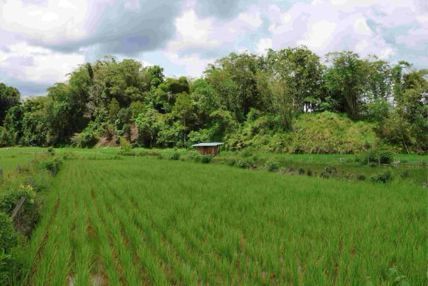
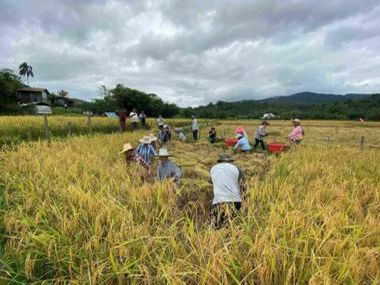
In northern Sarawak, WWF-Malaysia has also introduced the System of Rice Intensification (SRI) in Ba’ Kelalan to improve agricultural productivity without harming the environment.
The method promotes efficient water use, improved soil health and reduced reliance on chemical inputs, allowing farmers to increase yields while lowering costs.
Cynthia said such approaches help minimise the need to open new land for agriculture, thereby protecting forest ecosystems.
She added that WWF-Malaysia continues to emphasise community empowerment and inclusive governance, enabling local communities to play an active role in forest management.
“Ultimately, celebrating forests means acknowledging their value as an economic foundation, a source of life, and a guarantee for a sustainable future for generations to come,” she said.
She stressed that collaboration among government agencies, local communities, researchers and partners remains crucial in ensuring sustainable forest management in Sarawak.