By Alexandra Lorna & Jacintha Jolene
KUCHING: Strong cross-border cooperation between Sarawak authorities and Indonesian counterparts has significantly strengthened the deportation process for illegal workers, ensuring smoother repatriation and better welfare management, said Indonesia’s Consul-General in Kuching, Dr Abdullah Zulkifli.
He said close coordination with the Indonesian central government, provincial authorities in West Kalimantan, and relevant ministries has enabled efficient handling of deportees, particularly through key entry points such as Entikong.
“Fortunately, we have very good cooperation with the local government in Kalimantan Barat,” he said, noting that Indonesian authorities are well-prepared to receive deportees with medical screening, immigration processing, quarantine measures, and transportation arrangements.
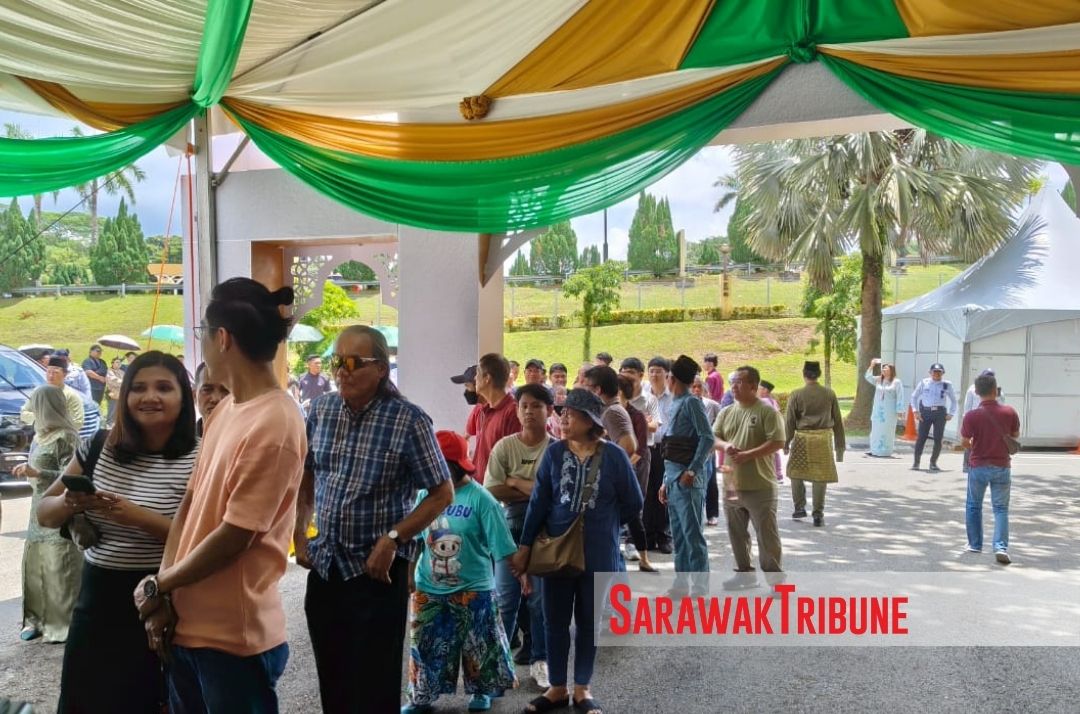
He said this to reporters when met at his residence here during the Hari Raya Aidilfitri 2026 gathering here today (Mar 21).
Dr Abdullah added the collaboration also involves Indonesia’s migrant worker ministry and social welfare agencies to ensure that returnees – especially those from outside Kalimantan such as Java, Sulawesi, Nusa Tenggara, and Sumatra – are properly assisted.
“Some can afford to return home on their own, but those who cannot will be taken care of by the social welfare ministry until they reach their hometowns,” he explained.
The strengthened cooperation comes amid ongoing enforcement efforts in Sarawak, where thousands of undocumented Indonesian workers have been deported.
He revealed that about 5,000 individuals were deported last year, while nearly 500 have already been repatriated in the first three months of this year.
Despite the enforcement, Dr Abdullah acknowledged that illegal entry remains a challenge due to Sarawak’s extensive land border with Indonesia – the only such border in Malaysia.
He said many cases involve abuse of legal entry permits, including individuals entering on social visit passes but later taking up employment, overstaying after their contracts expire, or moving between employers without proper documentation.
“There are also cases where workers do not hold their passports, as these may still be kept by their previous employers,” he said.
While some undocumented migrants enter without any documents, he stressed that the majority involve misuse of permitted entry schemes, including the 3-day visa-free travel arrangement among ASEAN countries and border crossing passes used in frontier areas like Sri Aman and Sambas.
Dr Abdullah attributed the trend largely to economic motivations.
“We can categorise the reasons into pushing and pulling factors. The main driver is economic – people are seeking better job opportunities after seeing improved livelihoods of those working in Malaysia,” he said.
He added that recruitment agents and word-of-mouth from friends already employed in Sarawak further encourage migration, while family reunification and personal relationships also play a role.
Nevertheless, he emphasised that continued bilateral cooperation and awareness programmes – particularly at the local government level – remain key to addressing the issue more effectively.