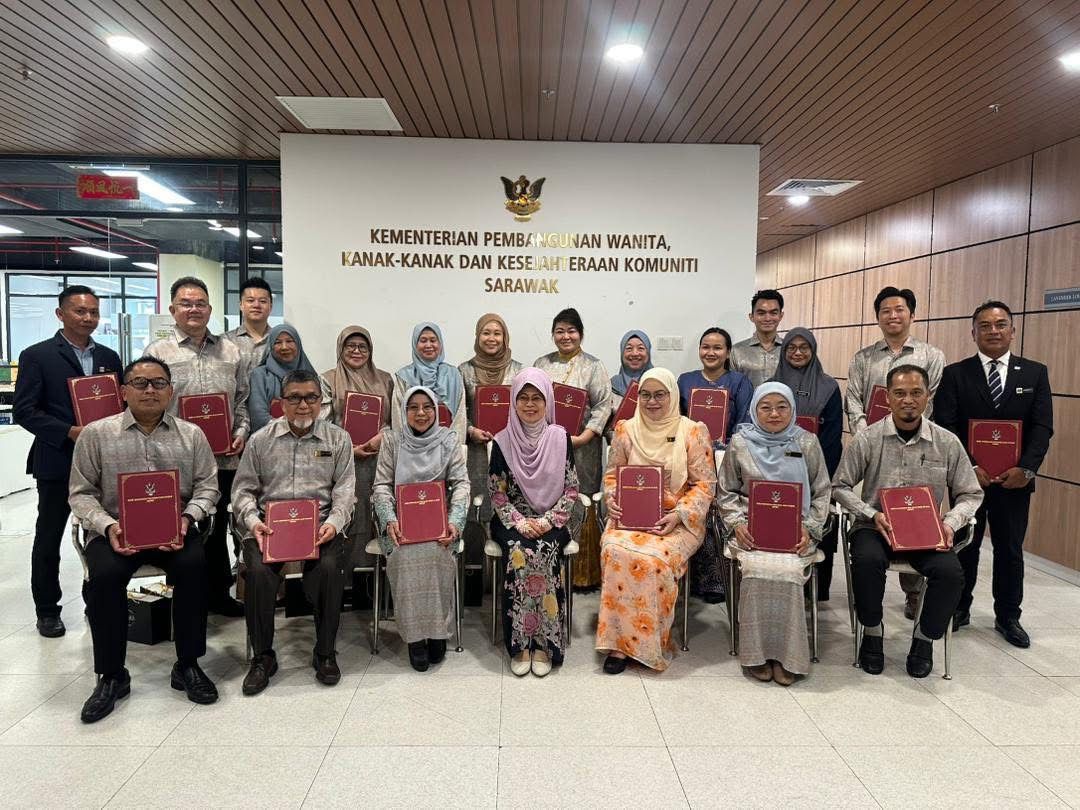
KUCHING: The Sarawak Islamic Council (SIC) has reaffirmed its commitment to strengthening public service delivery, halal governance and future-ready policies following an engagement session with state leadership.
The session, attended by Sarawak State Secretary, Datuk Amar Mohamad Abu Bakar Marzuki who had outlined the state’s new 3R-based work culture aimed at improving efficiency, public benefit and measurable impact.
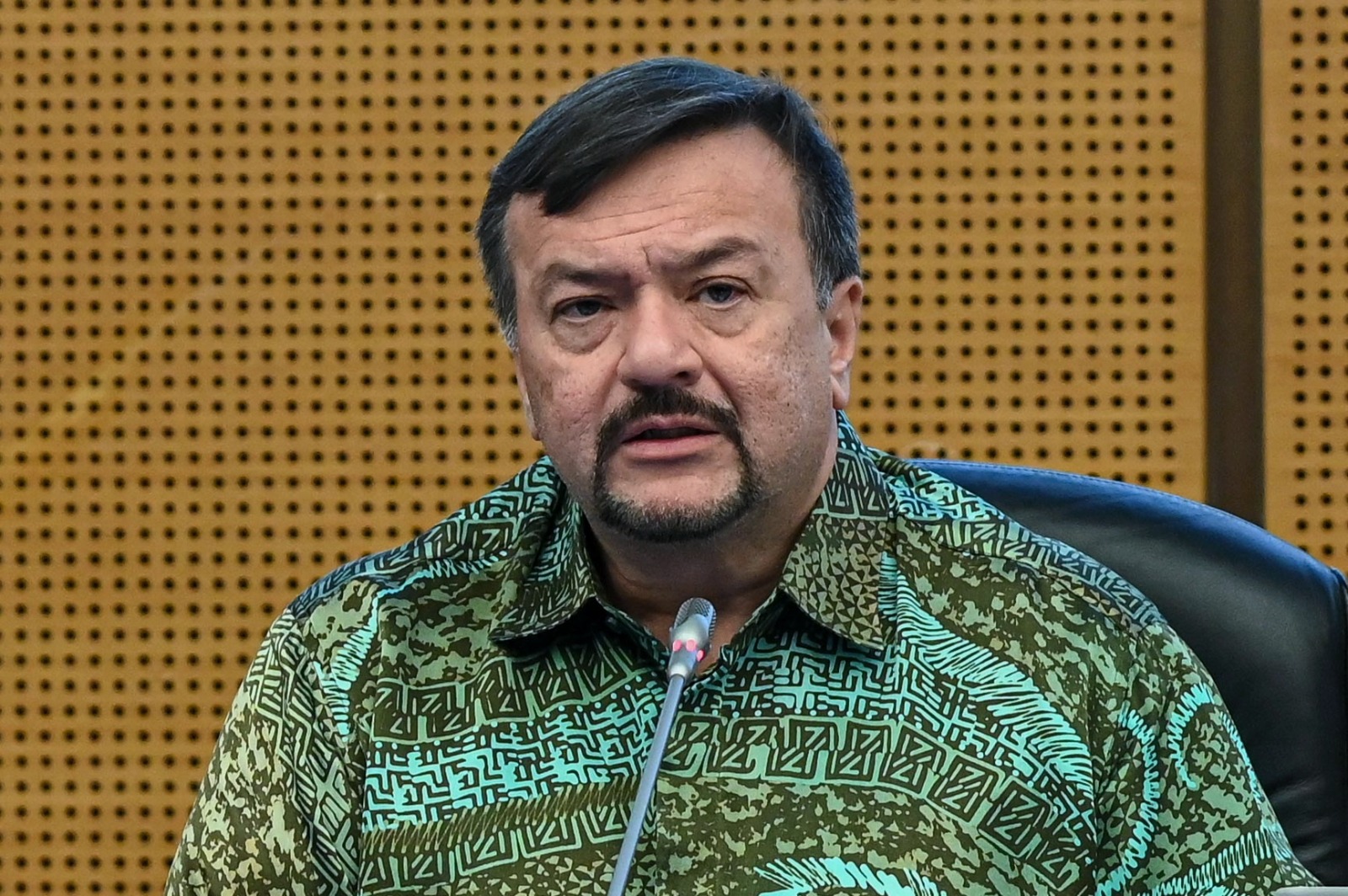
Sarawak Islamic Council (SIC) President, Datuk Misnu Taha, said the approach introduced by Abu Bakar represents a refreshing shift for the Sarawak civil service, especially in cultivating a new, results-oriented working culture.
“This approach is very interesting, particularly for those of us long in public service because it emphasises discipline, relevance and real outcomes for the people,” he said.
He said this when speaking at the Gathering with the Honourable Sarawak State Secretary at the Sarawak Islamic Complex here today.
”The approach focuses on improving service quality, ensuring public benefits, and delivering the correct impact through leadership-driven implementation across all government agencies.
“Earlier, three Islamic agencies, the Sarawak Islamic Religious Department (JAIS), the Sarawak State Mufti Department and Tabung Baitulmal Sarawak (TBS) presented briefings on ongoing and planned initiatives.
“Datuk Amar (Mohamad Abu Bakar) expressed satisfaction with the briefings, while reminding agencies to ensure their programmes remain relevant and responsive to future societal needs,” he said.
“With Ramadan approaching, I urged the public and businesses to respect the holy month, particularly in matters related to food preparation and halal compliance.”
He addressed viral concerns over the limited number of halal-certified seafood outlets in Kuching, noting many premises operate without certification despite offering seafood-based menus.
“We proactively visit such areas, offer guidance on halal certification and assist applications, which cost only about RM200 for two years,” he said.
Misnu added that SIC actively promotes outlets once certified halal, including through media exposure, to encourage wider industry participation.
He acknowledged some operators remain hesitant but stressed efforts are ongoing to establish halal zones, including malls, hotels and street vendors.
On “Muslim-friendly” restaurants, Misnu clarified such labels do not equate to halal certification, in line with the Department of Islamic Development Malaysia’s position.
“If there is no halal certification, then it is not halal. We follow the Malaysian Islamic Development Department (JAKIM) decision fully,” he said.
He said SIC advises the public to lodge complaints when confusion arises, working closely with the Ministry of Domestic Trade and Cost of Living (KPDN) to address concerns.
“SIC, together with the Department of Islamic Affairs, also conducts field visits and dialogues with hotels, restaurants and vendors to identify obstacles and facilitate certification applications,” he said.
He stressed that government programmes require halal-certified hotels, adding that Islamic agencies remain ready to assist any business willing to comply with halal requirements.