KUCHING: Sarawak continues to set the national benchmark in protecting traditional knowledge (TK) and implementing Access and Benefit Sharing (ABS), reinforcing its position as a pioneer in equitable partnerships.
Education, Innovation and Talent Development Minister, Datuk Seri Roland Sagah, said Sarawak’s strong commitment to preserving traditional knowledge is reflected in its progressive ABS framework.
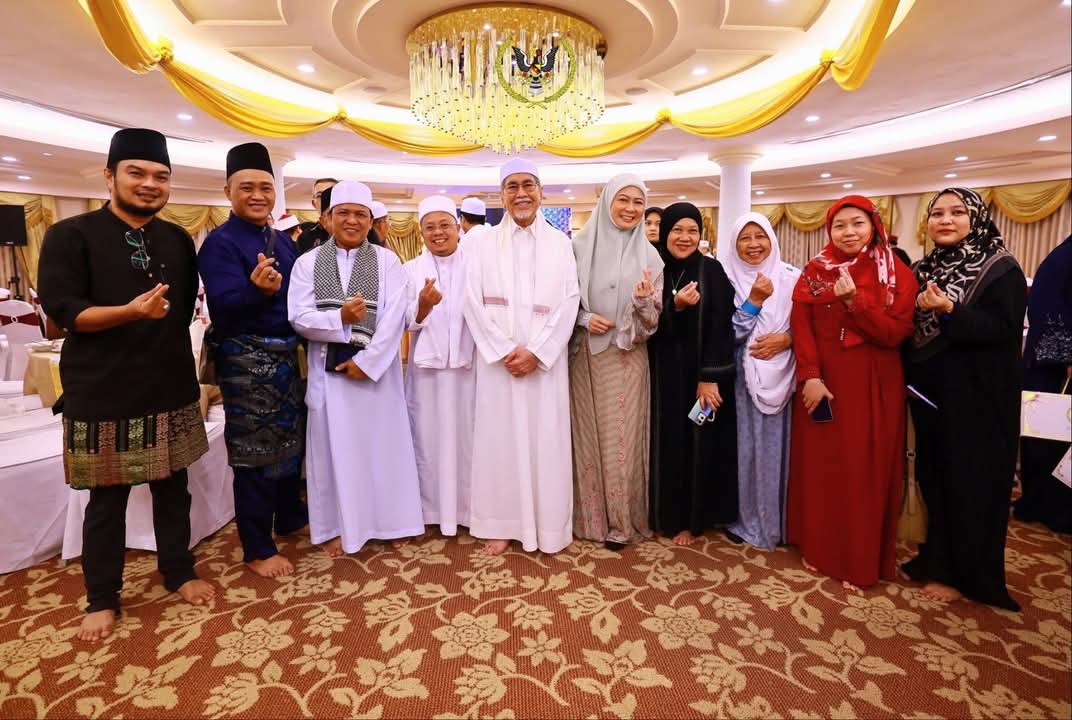
“This commitment to protecting traditional knowledge is also reflected in our Access and Benefit Sharing Framework, which has made tonight’s exchange possible,” he said at the Engkerebai Project Benefit Sharing Agreement (BSA) ceremony and the Sarawak Biodiversity Centre (SBC) Annual Dinner on Tuesday (Nov 4).
He noted that his ministry had played a key role in the recent amendments to the Sarawak Biodiversity Centre Ordinance, which he tabled in May.
“The amendments paved the way for SBC to establish a subsidiary company, BioVerde Technologies Sdn Bhd (BVT), to commercialise its research outcomes.
“It aligns our state law with international conventions such as the Nagoya Protocol and, more importantly, recognises our communities as partners in the commercialisation pathway,” he added.
Sagah emphasised that the event was not merely a document exchange but a milestone that marked Sarawak’s continued leadership in the implementation of ABS.
“This is the fourth Access and Benefit Sharing agreement in Sarawak.
“Our consistent record demonstrates that Sarawak is not only complying with international ABS standards but setting them.
“We were the first in Malaysia to implement the framework and sign benefit-sharing agreements with indigenous communities, creating a value chain that flows back to them,” he stressed.
He also said that Sarawak’s model has attracted international attention.
“We are proud to share our experience with the National Competent Authority on ABS, as well as with other nations such as the Philippines and Timor-Leste, who are studying how we have implemented our framework,” he said.
He also highlighted the importance of transforming traditional knowledge into tangible, market-ready products.
“While documentation is crucial for heritage preservation and data rights, it is equally important that research on these plants be translated into marketable products,” he explained.
Meanwhile, Sagah also said that the Ministry of Health (MoH) has been collaborating with government agencies, research institutions, and universities to advance herbal medicine research through the Guideline for Herbal Medicine Research, first published in 2023.
He said SBC has been actively involved in this national initiative and is working closely with the MoH to develop the Malaysian Herbal Monograph and Pharmacopoeia, serving as national reference documents for the development of herbal products with traditional, modern, or therapeutic claims.
“This is a clear example of how traditional wisdom and modern science can work together to improve healthcare,” he said.
He also acknowledged the collaboration between the Majlis Adat Istiadat Sarawak (MAIS) and the Ministry of Health under the ‘Program Jalinan Madani Bersama Pengamal Perubatan Tradisional Anak Negeri Sarawak’, which aims to document and preserve traditional healing practices while promoting the safe, evidence-based use of indigenous medicine.
“As you can see, traditional knowledge and medicine are increasingly being incorporated into mainstream healthcare,” he said.