KUCHING: The proposed subsea electricity grid connection linking Sarawak to Peninsular Malaysia, which has received approval in principle, is currently awaiting survey results involving Indonesia before a feasibility study can proceed.
Deputy Prime Minister Datuk Amar Fadillah Yusof said although the project has secured initial approval, it is now at the technical stage as surveys must first be conducted, particularly involving Indonesia.
“The survey involves Indonesia, as we need to formally inform them. Once the survey is finalised, only then can the feasibility study be implemented.
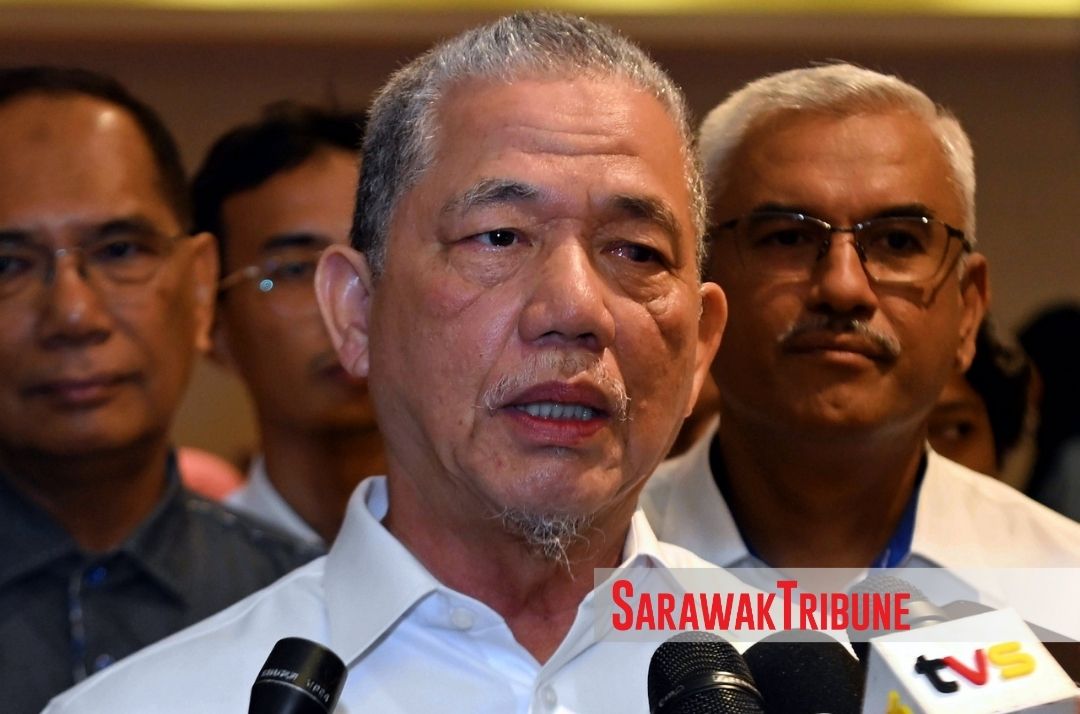
“However, in principle, there is already agreement. The project will not only involve Tenaga Nasional Berhad (TNB) and Sarawak Energy Berhad (SEB), but may also include Petroliam Nasional Berhad (Petronas),” he told reporters after officiating the Program Ceria Ke Sekolah TNB 2025 held here today (Dec 15).
Commenting on electricity tariffs, Fadillah, who is also Minister of Energy Transition and Water Transformation said pricing has yet to be determined as detailed studies on costs and other technical factors must first be conducted.
“Only after that will tariff negotiations take place,” he said.
On the proposed undersea cable and its connection to the ASEAN Power Grid, Fadillah explained that the concept is still under discussion and depends largely on agreements with Indonesia.
“There could be one cable that lands in Peninsular Malaysia before extending to Singapore, or there could be a direct connection to Singapore. This will depend on Indonesia’s approval,” he said.
He added that costs for supplying electricity to Singapore would be borne by Singapore, while the connection to Peninsular Malaysia would be funded by TNB and any partners it may appoint.
“The tariffs will later be negotiated between Sarawak Energy and TNB,” he said.
When asked whether there would be two separate undersea cables, Fadillah said this has yet to be determined and would depend on the outcome of studies and approvals from Indonesia.
He said surveys have not yet commenced, as Indonesia must first be formally notified.
Expressing optimism, Fadillah said progress could begin as early as next year, although the timeline would depend heavily on Indonesia’s response.
“Hopefully by next year things can start, but the exact timing is still uncertain,” he said.