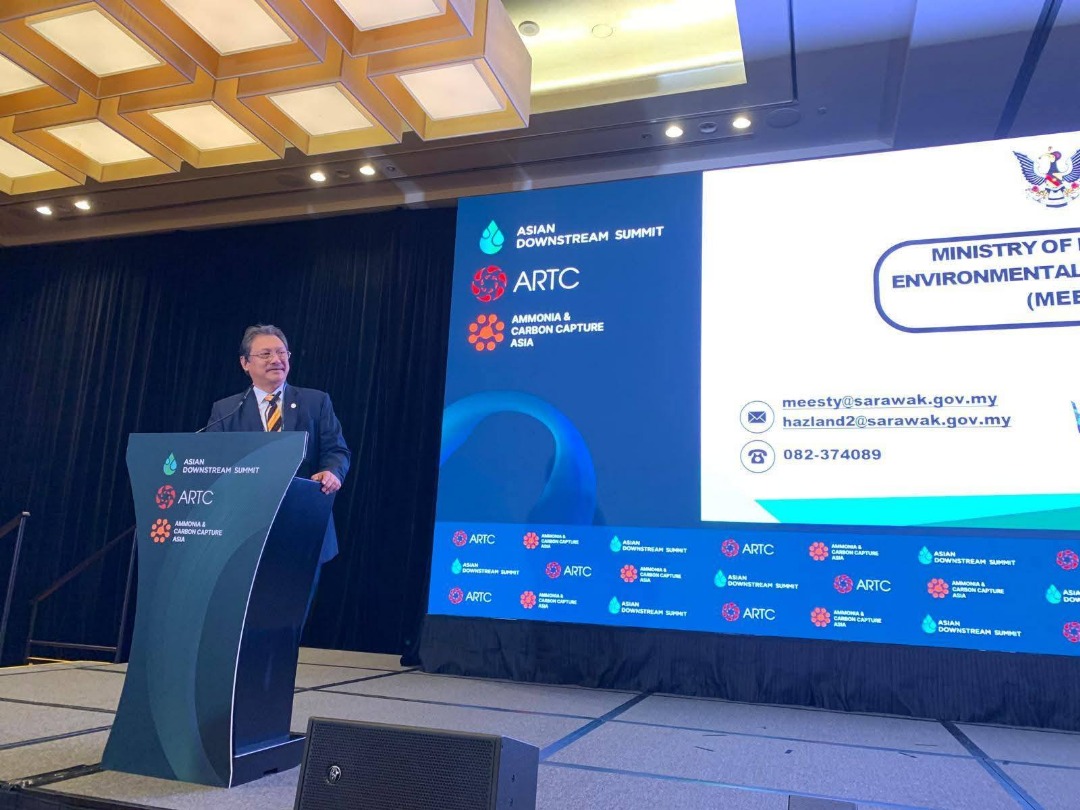
SINGAPORE: Deputy Energy and Environmental Sustainability Minister Datuk Dr Hazland Abang Hipni set the tone for Southeast Asia’s clean energy dialogue as the opening speaker at the recently concluded Singapore International Energy Week (SIEW) 2025.
In his keynote address, Dr Hazland reaffirmed Sarawak’s vision of becoming the ‘Battery of ASEAN’, by positioning the state as a regional leader in sustainable and renewable energy development.
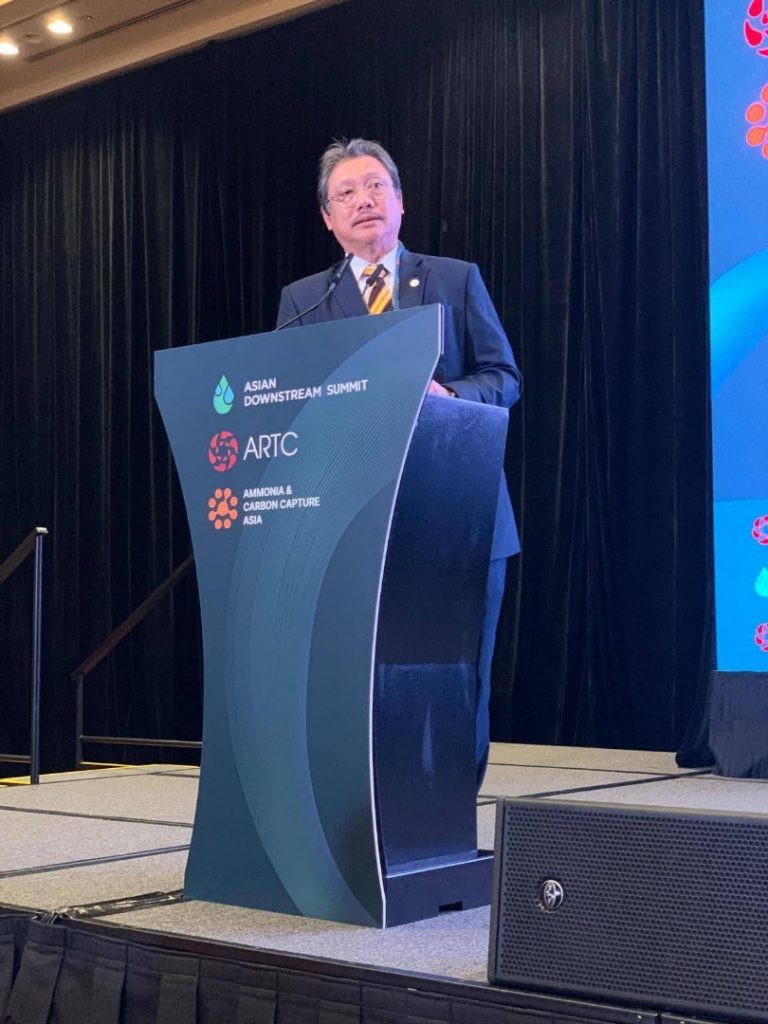
He outlined Sarawak’s strategic focus on hydropower, solar and biomass energy, as well as the production of green hydrogen for export.
These efforts, he said, are complemented by advancements in carbon capture, utilisation and storage (CCUS), carbon trading, and nature-based carbon sequestration, forming the core of Sarawak’s decarbonisation and green economy roadmap.
Dr Hazland also underscored the broader significance for ASEAN, noting the potential creation of a regional carbon market (ASEAN ETS).
Such a system, he explained, would enable economies with lower carbon footprints or rich natural carbon sinks, such as Sarawak, to benefit from trading carbon credits.
Citing Sarawak’s ongoing renewable energy and green hydrogen export initiatives to Singapore, he described them as concrete examples of regional cooperation towards achieving ASEAN’s collective net-zero goals.
At the same time, Dr Hazland emphasised that the shift toward a low-carbon economy must be a “just transition”, ensuring that local communities and smaller economies are not left behind in the process.
With Malaysia chairing ASEAN in 2025, he said the timing is opportune to strengthen carbon policy frameworks and foster cleaner energy partnerships across the region.
Nevertheless, Dr Hazland cautioned that the real challenge lies in execution – overcoming regulatory, financial, and technological barriers while maintaining fairness and inclusivity among member states.
Despite these hurdles, he expressed confidence that Sarawak’s early lead in renewable energy and its steadfast commitment to sustainability would continue to attract long-term global investments.