KUCHING: Sarawak has recorded a significant reduction in teenage pregnancy cases, with a 11.5 per cent decline in 2025, surpassing the state’s annual target of a 10 per cent reduction.
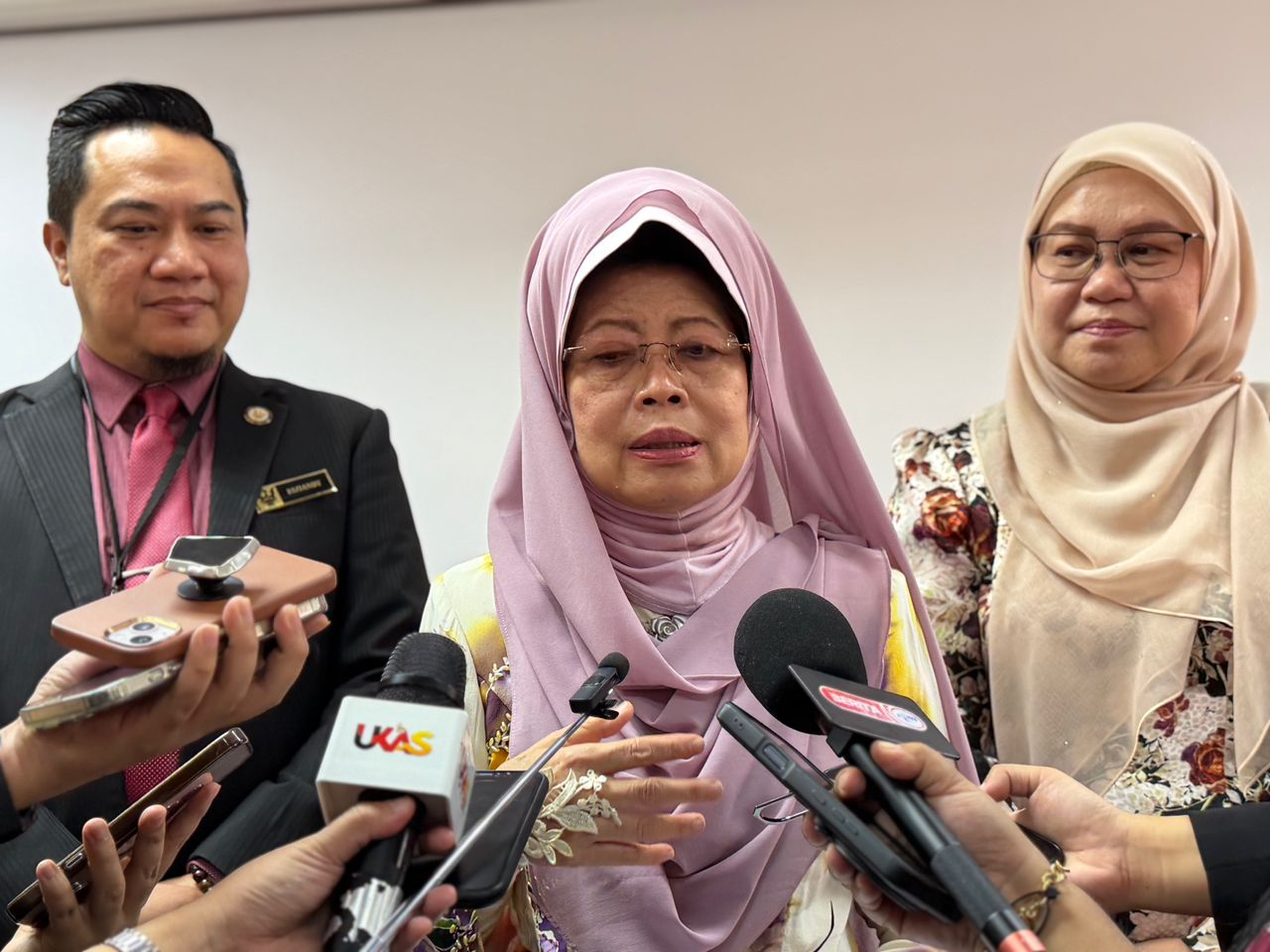
Women, Early Childhood and Community Well-being Development Minister Datuk Seri Fatimah Abdullah, said the decline reflected sustained, multi-agency interventions implemented since the One Stop Teenage Pregnancy Committee (OSTPC) committee was established in 2014.
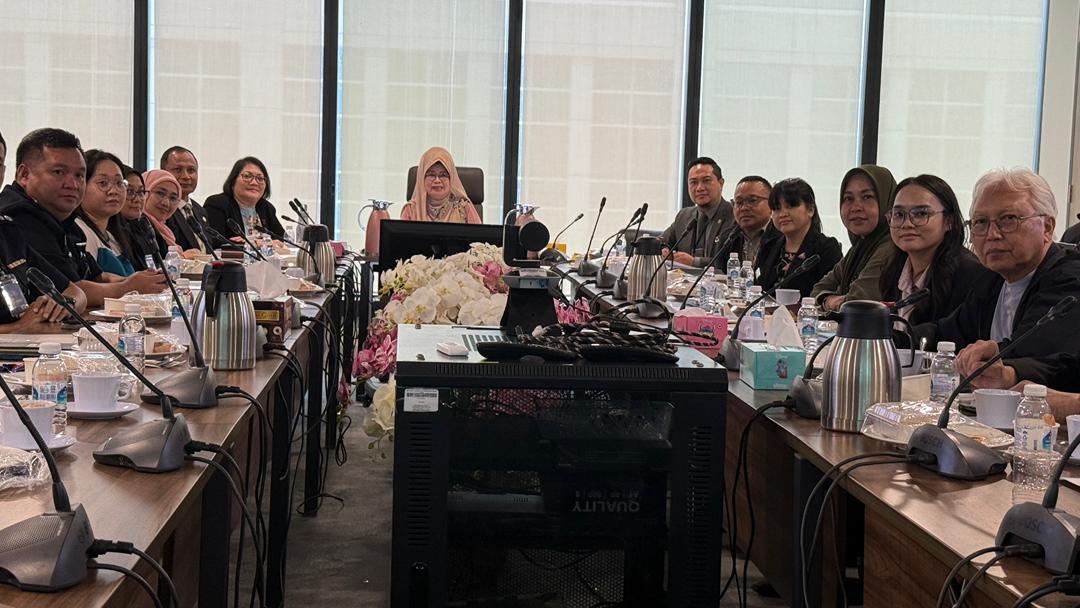
“OSTPC was set up with the primary aim of reducing teenage pregnancy, particularly among girls below the age of 19,” said Fatimah who is the committee chairperson after chairing an OSTPC meeting here on Monday (Feb 2).
She stressed that prevention remained the committee’s top priority, as teenage pregnancy often results in school dropouts and long-term socio-economic consequences.
“When girls become pregnant, they stop schooling. Although we say they can return after giving birth, in reality, the number who manage to do so is very small. So, it is extremely difficult,” she said.
Fatimah said ensuring girls complete at least secondary education was key to breaking the cycle.
“Studies clearly show that the higher a person’s level of education, the better their chances of securing a good future.
“That is why we want our girls to stay in school at least until Form Five,” she added.
According to statistics presented at the meeting, Sarawak recorded 1,770 teenage pregnancy cases in 2025.
However, despite an overall decline, several concerning trends persist, including rising cases in Sarikei and Sibu and higher rates among unmarried teenagers who are no longer in school.
Fatimah said the second core objective of OSTPC was to manage cases involving pregnant teenagers in a holistic and non-punitive manner.
“Once a teenager is already pregnant, we do not punish or blame. We manage her welfare and health, from antenatal care before delivery to postnatal support,” she said.
This includes healthcare services, welfare assistance, documentation for newborns, and counselling on parenting or adoption options, involving agencies such as the Health Department, Social Welfare Department, religious authorities, and the police, particularly in cases involving sexual offences.
Fatimah said the third major focus is preventing unsafe births, and baby abandonment remains linked to stigma surrounding out-of-wedlock pregnancies.
“We do not want babies to be abandoned. Through baby hatch facilities, the identity of the mother is protected, and the baby is kept safe. This means we are saving two lives: the mother and the child.
“That way, the mother can start a new chapter in life, learn from the past and move forward,” she said.
On early marriage, Fatimah reiterated Sarawak’s position advocating a minimum marriage age of 18 across all systems, including civil, syariah and customary law, while acknowledging the complexities arising from Sarawak’s plural legal framework.
“We want to reduce both early marriage and teenage pregnancy. Education is crucial. Finish schooling first. If they marry later and continue studying, they will be more mature and focused,” she said.
Looking ahead, she said OSTPC will intensify data-driven interventions, expand community-based sexual and reproductive health education, and strengthen inter-agency coordination this year, including new outreach programmes targeting out-of-school youths aged 18 to 19.
“The issue of teenage pregnancy is not just a health issue. It is a social issue that requires continuous, integrated action,” Fatimah said.