BINTULU: The state has restored stability to its liquefied petroleum gas (LPG) supply following the temporary closure of the PUSAKA bottling plant due to a landslide earlier this year.
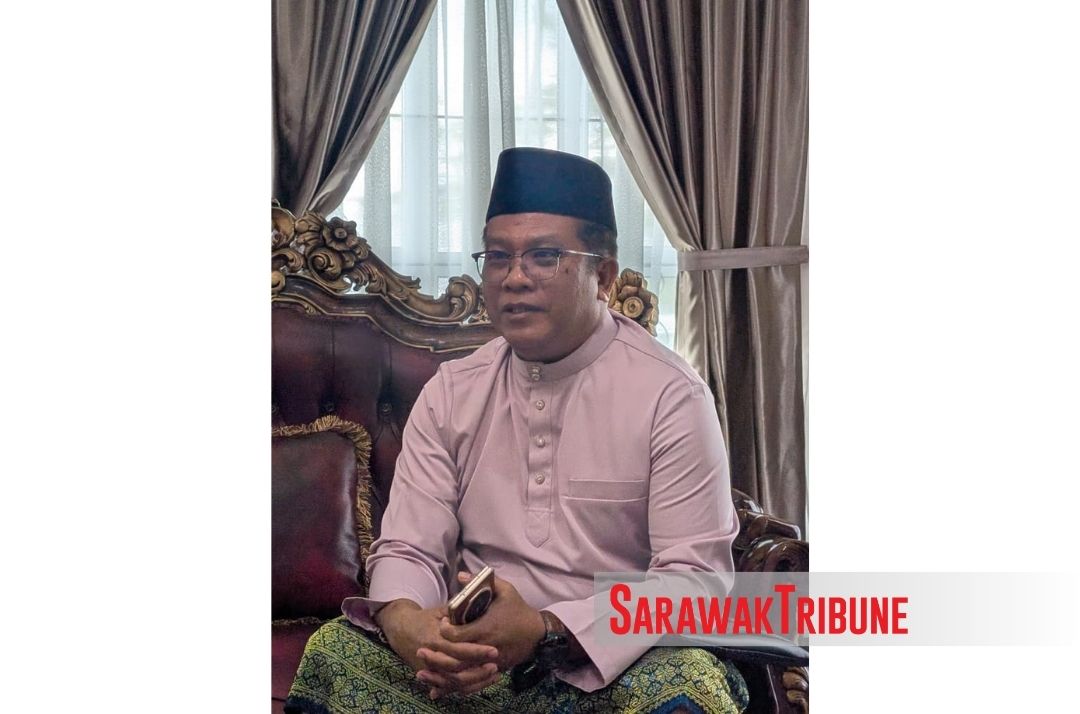
Utility and Telecommunication Minister Datuk Seri Julaihi Narawi said that Sarawak traditionally operates two LPG bottling plants to meet its daily requirement of 25,000 cylinders of 14kg LPG.
He said that these include the Senari IOT plant in Kuching, which serves the Southern and Central regions with a capacity of around 13,000 cylinders per day, and the PUSAKA plant in Bintulu, which supplies the Northern region with an average capacity of about 12,000 cylinders daily
“Following the landslide causing the closure of the PUSAKA bottling plant on Jan 29, adjustments were necessary, and as observed earlier at the plant, the temporary manual filling operation has reduced the daily capacity to 10,000 cylinders.
“The remaining 2,000 cylinders were taken over by the Senari IOT plant in Kuching, which now fills about 15,000 cylinders daily to help maintain a total of at least 25,000 cylinders filled every day.
“However, I understand that we are actually filling a little more, we have an extra 3,000 cylinders. So, we have a total of 28,000 cylinders filled daily,” he said during his working visit at the PUSAKA bottling plant here today (Sept 16).
He added that this exceeds the state’s daily requirement and ensures a steady LPG supply for households and businesses.
“Alhamdulillah, so far, everything is running smoothly, and our supply is stable across the Sarawak market.
“In terms of circulation, there are currently 1.8 million cylinders in circulation. So, this means the supply is sufficient to meet demand throughout Sarawak,” he added.
For the record, after the landslide, Sarawak relied solely on Senari IOT until the end of March, during which the plant ramped up production to 28,000 cylinders per day, while the Sarawak government, through PETROS and PUSAKA, simultaneously began setting up a temporary bottling facility in Bintulu to strengthen supply in the northern region.
Construction began in early March and was completed by the 27th, with the temporary plant becoming operational within a month and continuing to run while refurbishment of the main plant is underway.
With this, Senari IOT is currently producing 15,000 cylinders per day, while the Bintulu Bottling Plant is producing 10,000 cylinders per day.
Actions taken to address the landslide issue include clearing loose soil from the water tank slope near the Bintulu Bottling Plant, safely removing the Bintulu Port water tank, making safe and removing damaged LPG piping, completing clearing works from the landslide impact, and ongoing earth remedial works to stabilize and restore the affected area.
Looking ahead, PUSAKA has appointed consultants and contractors to carry out refurbishment works, targeting the full resumption of operations by the end of Q2 2026.
PETROSNiaga is strengthening supply security by adding more buffer depots across Sarawak by strategically located closer to customers, instead of relying mainly on Kuching and Bintulu which will enhance resilience, reduce risks and improve accessibility for the people.
Additional LPG cylinders were secured from Sepanggar Bay, Sabah, ensuring continued support for Northern Sarawak.