MIRI: A sharp increase in the number of registered persons with disabilities in Malaysia is intensifying pressure on authorities to strengthen support systems, with Sarawak now moving to recalibrate its approach towards a more inclusive and coordinated model.
Registrations have surged from 302,802 in 2015 to 814,966 in 2025, a shift that policymakers say reflects not only improved awareness, but also deepening structural needs that existing frameworks are struggling to fully address.
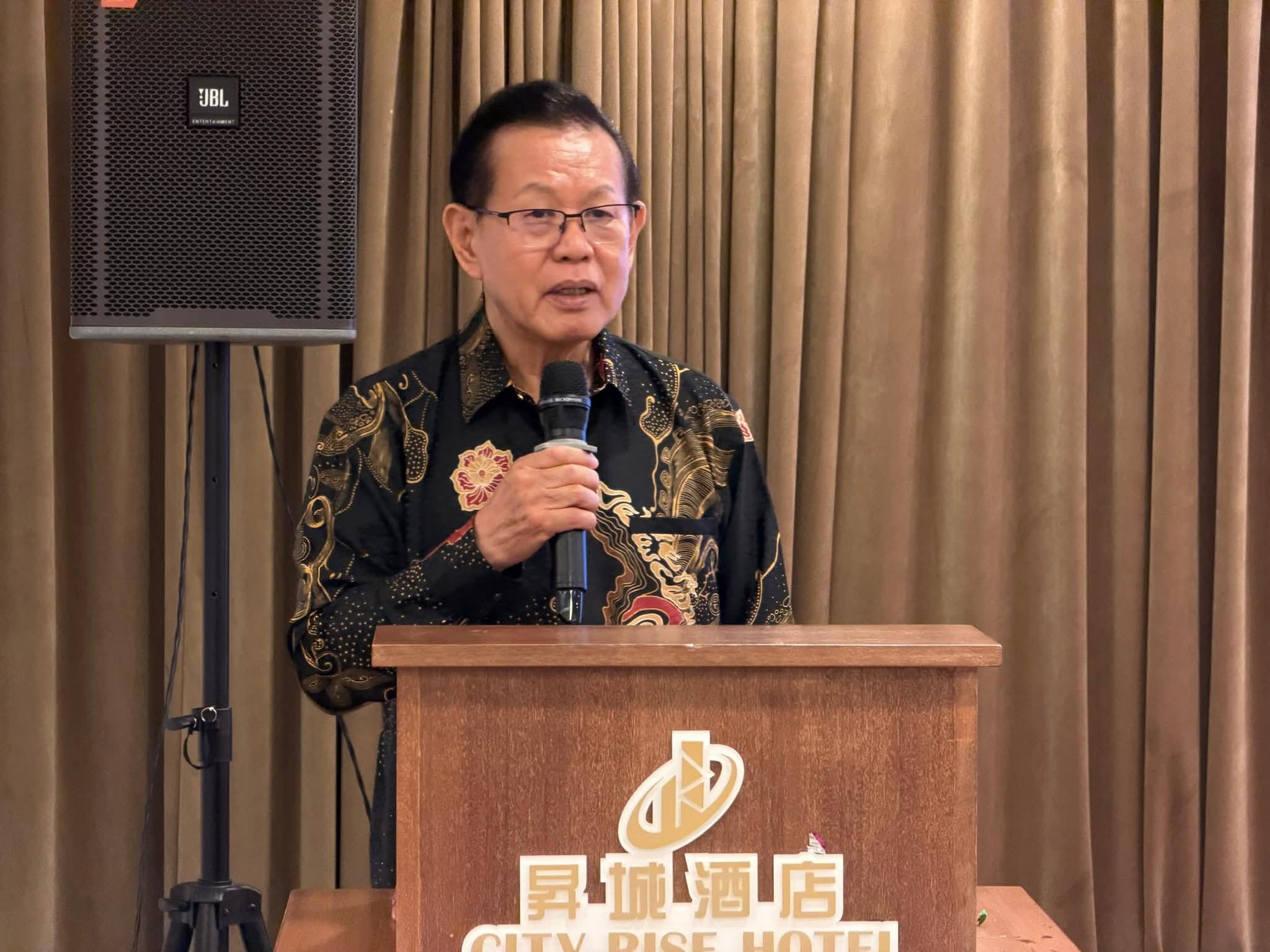
State Transport Minister Datuk Sri Lee Kim Shin said the scale and complexity of the challenge demand a departure from conventional policy design.
“A one-size-fits-all approach is no longer workable,” he said, stressing that individuals within the disability community have widely differing needs, capabilities and aspirations.
“Our response must be more targeted, more adaptive and better coordinated.”
His remarks, delivered at a dinner marking the Northern Zone celebration of Hari OKU 2026 organised by the Morsjaya Community-Based Rehabilitation Centre, reflect a broader shift towards integrated policymaking, where government agencies, educators and civil society operate in closer alignment.
At the heart of the strategy is early intervention.
Access to inclusive education, particularly at foundational levels, is seen as critical to improving long-term outcomes, from independent living to workforce participation.
Yet gaps remain. Advocates have long pointed to uneven access to specialised education, limited employment pathways and persistent social stigma as barriers that continue to marginalise persons with disabilities, particularly outside major urban centres.
Lee said technical and vocational training institutions must play a more active role in addressing these gaps by equipping individuals with skills that match current labour market demands.
Programmes such as inclusive skills training at IKBN Miri, he added, offer a template that could be scaled up.
Equally crucial is the capacity of frontline services.
More than 2,000 personnel from agencies including the Social Welfare Department are currently involved in delivering assistance, but their effectiveness depends on sustained investment, training and coordination.
“The system is only as strong as its delivery on the ground,” he said.
The Hari OKU 2026 event, which brought together six community-based rehabilitation centres across northern Sarawak, underscored ongoing efforts to build awareness and encourage broader societal participation.
As Sarawak seeks to position itself as a more inclusive state, the emphasis is shifting from welfare-based support to empowerment driven by capability and inclusion.
Lee called for sustained collaboration across all sectors, warning that policy alone would not be sufficient.
“Building an inclusive society requires shared responsibility,” he said, adding, “it is a long-term commitment to ensure no one is left behind.”