SIMANGGANG: The Sarawak government has agreed to establish the Sarawak Rice and Paddy Board to strengthen the paddy and rice industry, while ensuring national food security.
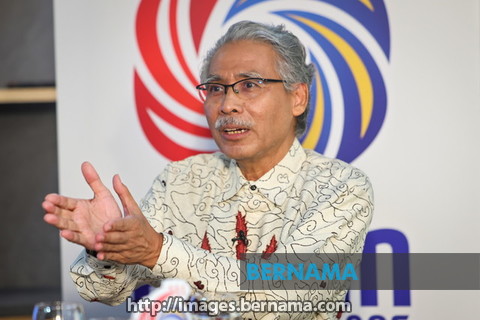
Minister of Food Industry, Commodity and Regional Development, Datuk Seri Dr Stephen Rundi Utom, said that by 2030, Sarawak is targeted to produce 60 per cent of the nation’s rice supply.
“The government aims to ensure that we can produce 450,000 metric tonnes a year, which is sufficient for Sarawak’s needs.
“However, by 2030, we are targeting to reach 60 per cent of national rice production. Therefore, to realise this aspiration, the state Cabinet meeting on Tuesday agreed to establish the Sarawak Rice and Paddy Board,” he said.
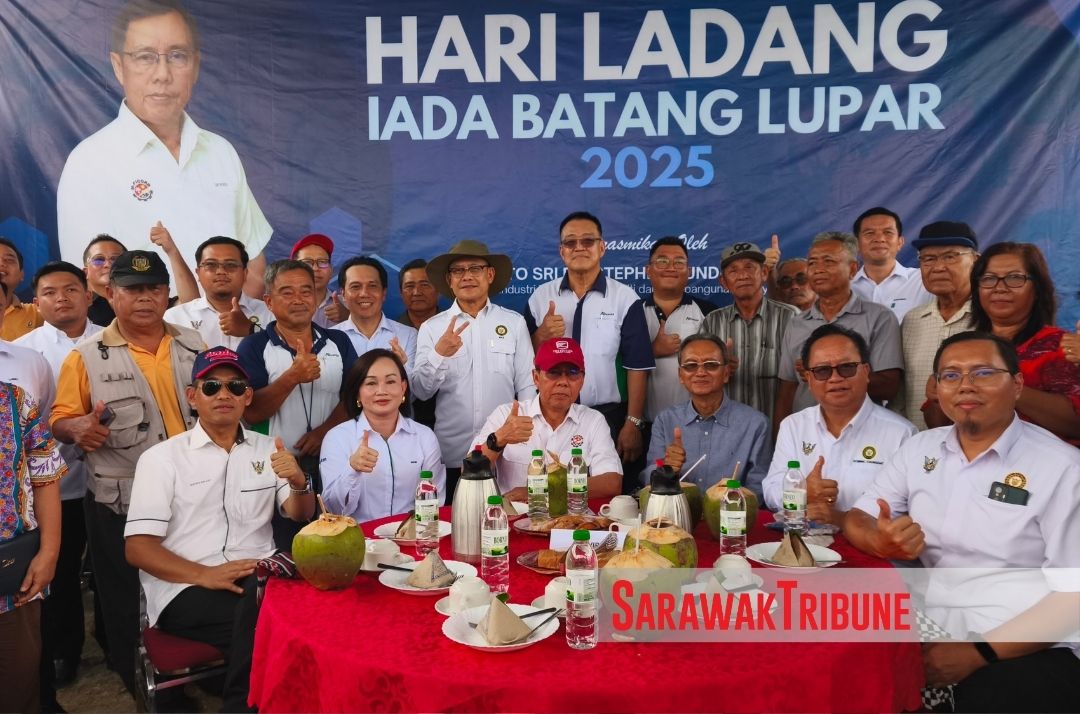
He said this during a press conference after officiating at the Farm Day of the Batang Lupar Integrated Agricultural Development Area (IADA) 2025 at the Block C paddy plots in Tanjung Bijat yesterday.
He explained that this initiative is crucial, as it is a Key Performance Indicator (KPI) set by the Malaysian government for Sarawak to become a major rice-producing region, thereby ensuring food security.
“We want to see the paddy and rice industry continue to grow and remain sustainable.
“As such, the main role of the Board is to regulate, coordinate and ensure the longevity of this industry, enabling Sarawak to participate in both export and import activities.
“Sarawak is now transitioning to the use of modern technology in paddy cultivation, including full mechanisation,” he said.
Dr Rundi expressed hope that Sarawak could emulate countries with thriving agricultural sectors.
“The oil palm industry succeeded because its supply chain is complete. However, many other agricultural sectors face challenges along the way. Therefore, we can take examples from Japan and New Zealand, where they innovate every year.
“The Vietnamese work with a ‘life-or-death’ attitude, as though there is no tomorrow. In Thailand, they have strong cooperatives and specific clusters developing industries like pandan coconut,” he added.
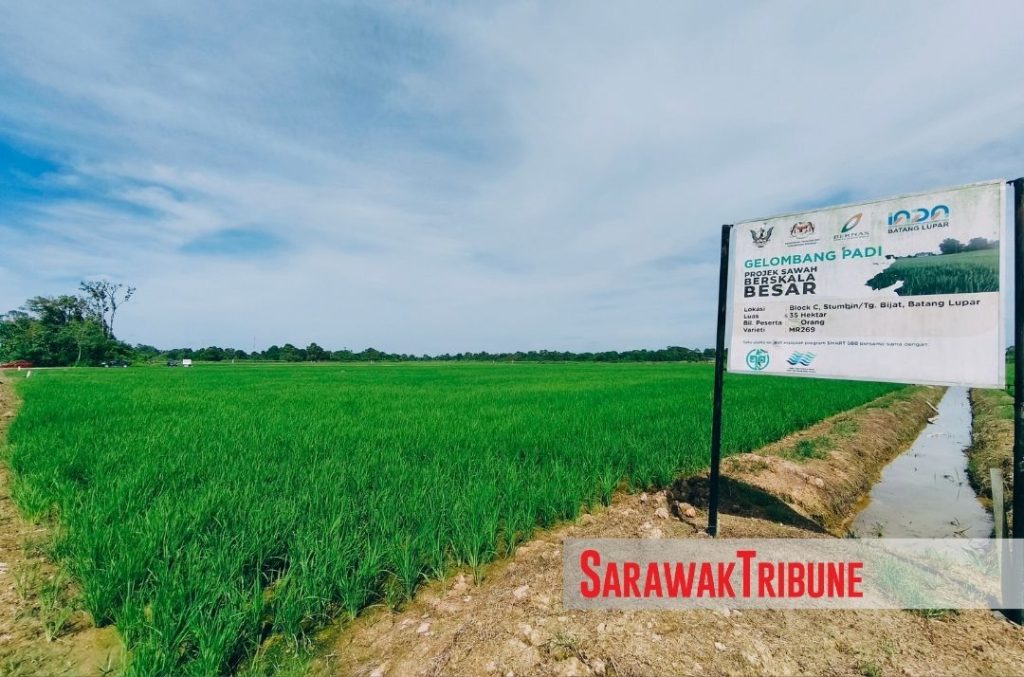
On the SMART Large-Scale Paddy Field Programme (SMART SBB), he said it has been implemented in Sarawak by IADA Batang Lupar.
“Through the strategic partnership between Padiberas Nasional Berhad (BERNAS) and Advansia (Sarawak) Sdn Bhd, a total of 83 hectares of paddy were cultivated in Block C, Tanjung Bijat, with the participation of 202 farmers.
“As a result of integrated efforts, the second season of 2023 recorded yields of around 5.5 metric tonnes compared to 2.8 metric tonnes previously.
“Therefore, let us continue to support the transformation of the paddy and rice industry towards sustainability, modernisation and profitability through active involvement, innovation and strong collaboration from all parties.
“I am confident that the Batang Lupar Rice Bowl will remain Sarawak’s key rice-producing region capable of ensuring food security for our people,” he stressed.
He added that Sarawak has more than 16,000 hectares of land with high potential for paddy cultivation.