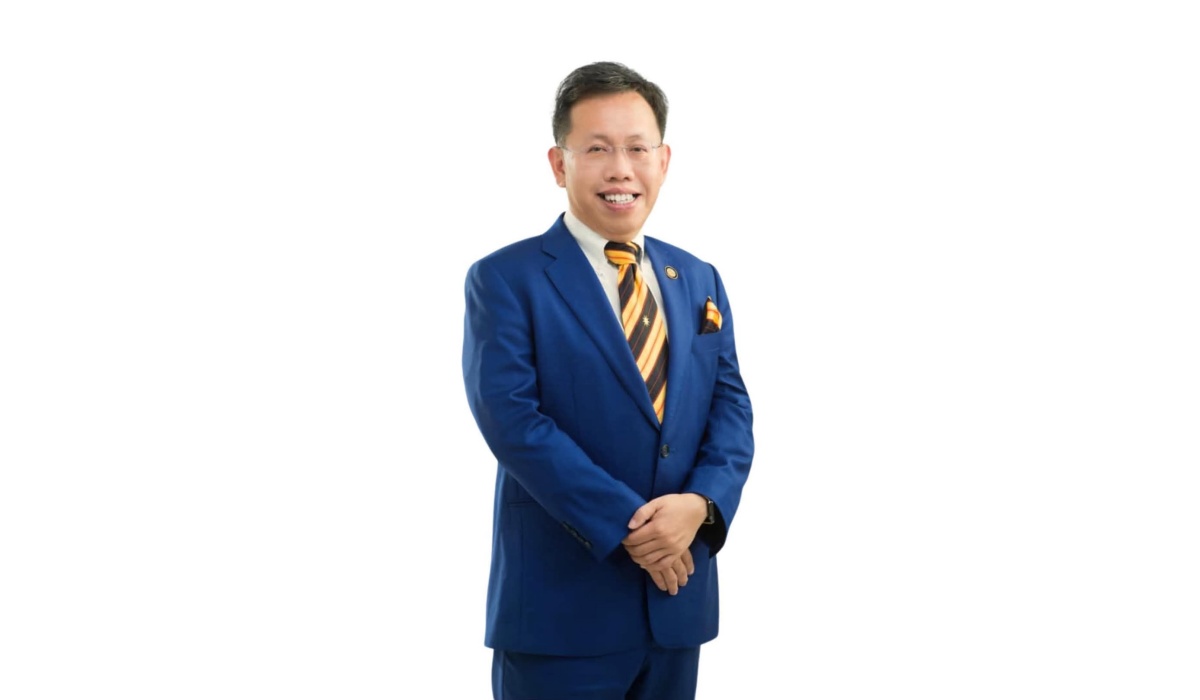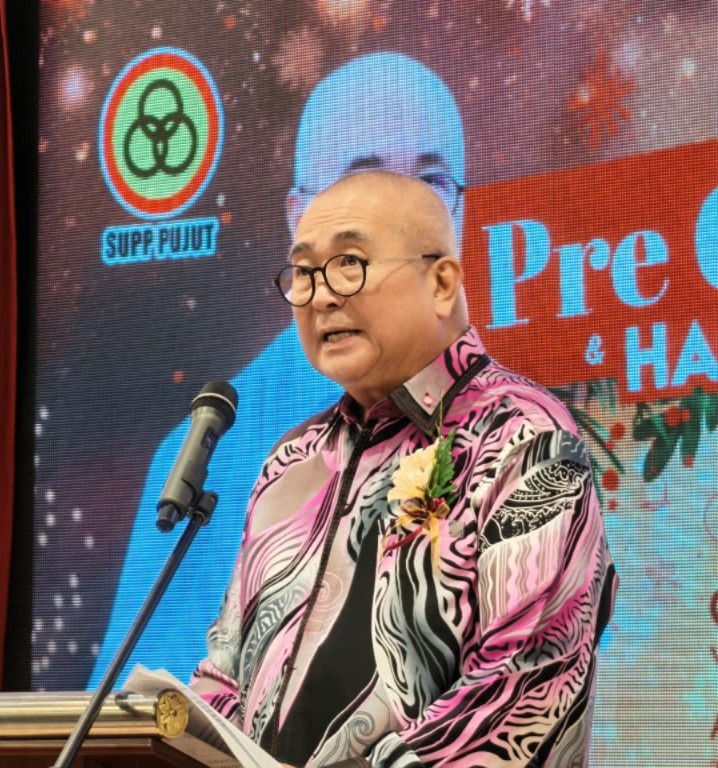
MIRI: Sarawak’s long-running push on oil and gas has never been about dividends or corporate shareholding, but about sovereignty and decision-making authority, said Sarawak United People’s Party (SUPP) Central Publicity secretary and Pujut assemblyman Adam Yii.
Responding to a proposal by Sarawak DAP that the state should accept a 30 per cent equity stake in Petroliam Nasional Berhad (PETRONAS), Yii said the idea was fundamentally misguided and risked undermining Sarawak’s long-term constitutional position.
The proposal, he said, was being framed as a way to safeguard Sarawak’s oil and gas rights, but in reality failed to address the core issue.
“What Sarawak has been fighting for has never been a 30 per cent corporate shareholding,” Yii said in a statement. “It is about the authority to manage and decide on oil and gas resources within Sarawak.”
He argued that the equity proposal merely preserved an existing federal-centric structure dominated by Peninsular Malaysia, while repackaging it as progress for Sarawak.
Yii said the distinction between ownership and shareholding was straightforward.
“If a piece of ancestral land rightfully belongs to you, would you choose to decide for yourself how it is used and developed, or hand it over in exchange for a 30 per cent stake in someone else’s company and wait for dividends?” he asked.
Equity, he said, was a mechanism for profit-sharing, not a substitute for sovereignty.
A minority stake in PETRONAS would not give Sarawak control over extraction decisions, supply priorities, industrial policy or resource allocation. Nor would it guarantee that Sarawak’s development needs came first. At best, Sarawak would remain a minority shareholder, without ownership or decisive influence over its own resources.
He warned that reducing the oil and gas debate to an equity transaction was a dangerous shift in foresight.
“Sarawak’s oil and gas rights are fundamentally a constitutional matter, not a commercial negotiation,” he said. “Once Sarawak accepts the 30 per cent equity narrative, it implicitly concedes that it is not the owner of its own resources, but merely a party to be compensated.”
Such a shift, he added, would move the debate away from management authority and towards dividend expectations, gradually eroding Sarawak’s legitimate claim to sovereignty over its resources.
He said the proposal either reflected a lack of understanding of how the oil and gas industry operates, or a deliberate oversimplification that risked misleading the public.
“The industry has never been about shareholding percentages,” he said. “It is about regulatory power, decision-making authority, priority rights and industrial leadership.”
Yii also highlighted the financial risks tied to equity ownership. PETRONAS operates globally, with exposure to overseas projects and commercial ventures beyond Sarawak.
“Becoming a shareholder means sharing in risks that are not inherently Sarawak’s, while still lacking full control over oil and gas within Sarawak,” he said. “That is neither fair nor prudent.”
By contrast, Yii said the Sarawak government had taken a gradual and results-driven approach to reclaiming real authority in the sector.
He pointed to concrete developments, including Petroleum Sarawak Berhad (PETROS) becoming the sole gas aggregator in the state, PETRONAS’ commitment to supply up to 1.2 billion standard cubic feet of natural gas per day for Sarawak’s priority use, and increased state control over gas utilisation, downstream planning and industrial development.
“These are not slogans,” he said. “They are outcomes already being implemented.”
He argued that while a 30 per cent equity stake might sound attractive, it did little to protect Sarawak’s strategic interests.
Yii said that if the Malaysia Agreement 1963 and the Federal Constitution already provided Sarawak with the basis to manage its own oil and gas resources, then the state should continue strengthening that authority through sovereignty-based negotiations.
“Retreating to bargaining over shareholdings is not progress,” he said. “It is self-downgrading.”
He concluded that Sarawak’s objective was clear: to hold decision-making power over its resources and control its own development path.
“If something rightfully belongs to Sarawak, it should not be exchanged for shares,” he said. “What Sarawak needs is sovereignty-based management authority, not a 30 per cent corporate stake.”