BOLD allocations under the State Budget next year will thrust Sarawak to the forefront of climate governance.
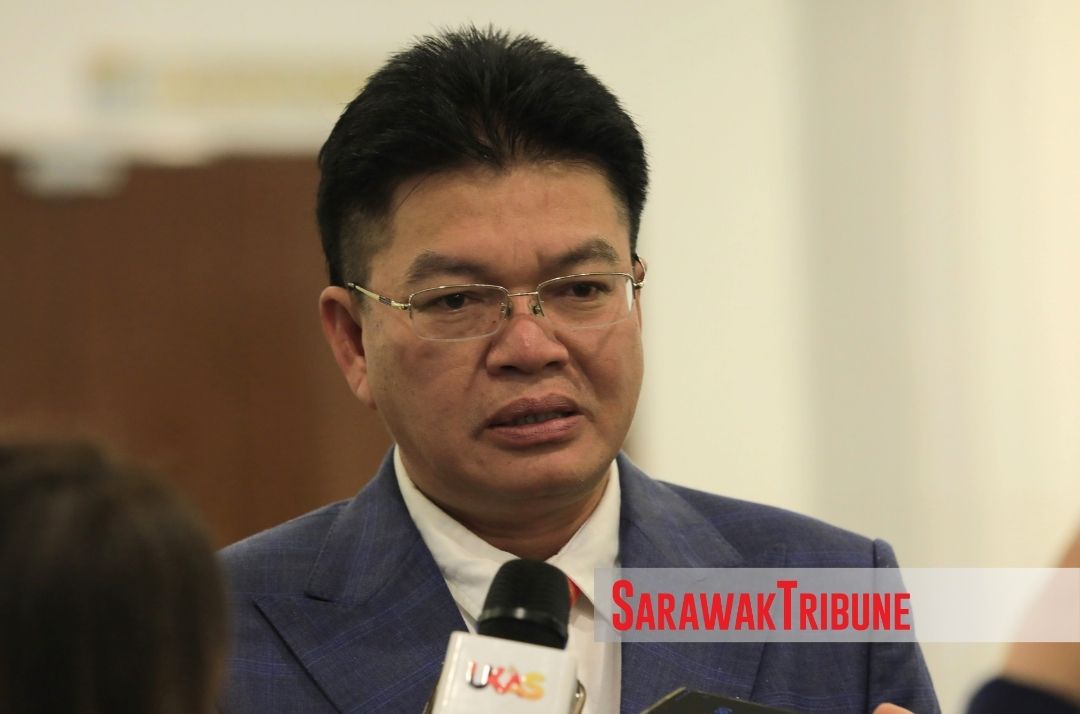
These allocations are bold, strategic, and essential to the state’s transition toward a green economy, said Opar assemblyman Billy Sujang.
He said Sarawak is taking decisive steps to lead the nation in renewable energy through hydropower expansion, solar investments, hydrogen development and large-scale sustainability initiatives under the Post-COVID-19 Development Strategy (PCDS) 2030.
“This Budget places Sarawak at the forefront of climate governance in Malaysia,” he said in his debate on the State Budget 2026 at the DUN sitting here Thursday.
Among the key environmental allocations highlighted were RM3.4 million for the Climate Change Roadmap, RM7 million for the Net Zero Strategy and Carbon Plan, and the introduction of a Carbon Levy in 2026, which will create a new revenue stream while driving decarbonisation.
He also said that the Budget allocates RM30.73 million for Sustainable Environmental Management and RM62 million to strengthen the Sarawak Forestry Corporation.
“These provisions strengthen energy security, attract green investment and position Sarawak as a rising clean-energy powerhouse in the region.
“The RM30.73 million allocation for Sustainable Environmental Management reflects a firm commitment to protecting Sarawak’s natural ecosystems through planned, systematic, and science-based approaches,” he said.
According to him, the allocation directly supports the vision outlined in the newly passed Resources and Waste Management Bill 2025, which focuses on proper waste segregation, cleaner waste transportation, improved sanitary landfills, the introduction of incinerators, responsible disposal, and the transformation of waste into energy and economic value.
“It is a strategic investment to ensure the principles debated in the Bill become real, effective actions on the ground,” he said.
Billy called for stricter consistency in how waste is managed across the state.
“If we are truly serious about recycling our waste, then we must be sincere and consistent in our approach.
“There is no point in segregating rubbish at home if only one compactor truck comes to collect it and mixes everything together again.
“It defeats the purpose of recycling and increases the burden on our landfills,” he said.