KUCHING: Sarawak is setting its sights on developing a future-ready workforce by targeting the creation of 500,000 skilled workers by the year 2030.
Minister for Education, Innovation and Talent Development, Datuk Seri Roland Sagah Wee Inn, said that human capital development is now a central focus for the state, driven by rapid expansion in key sectors such as energy, digital economy, construction, and manufacturing.
“To meet this ambitious goal, we must produce at least 30,000 skilled workers each year. Therefore, education and talent development must remain at the core of our strategy,” he said.
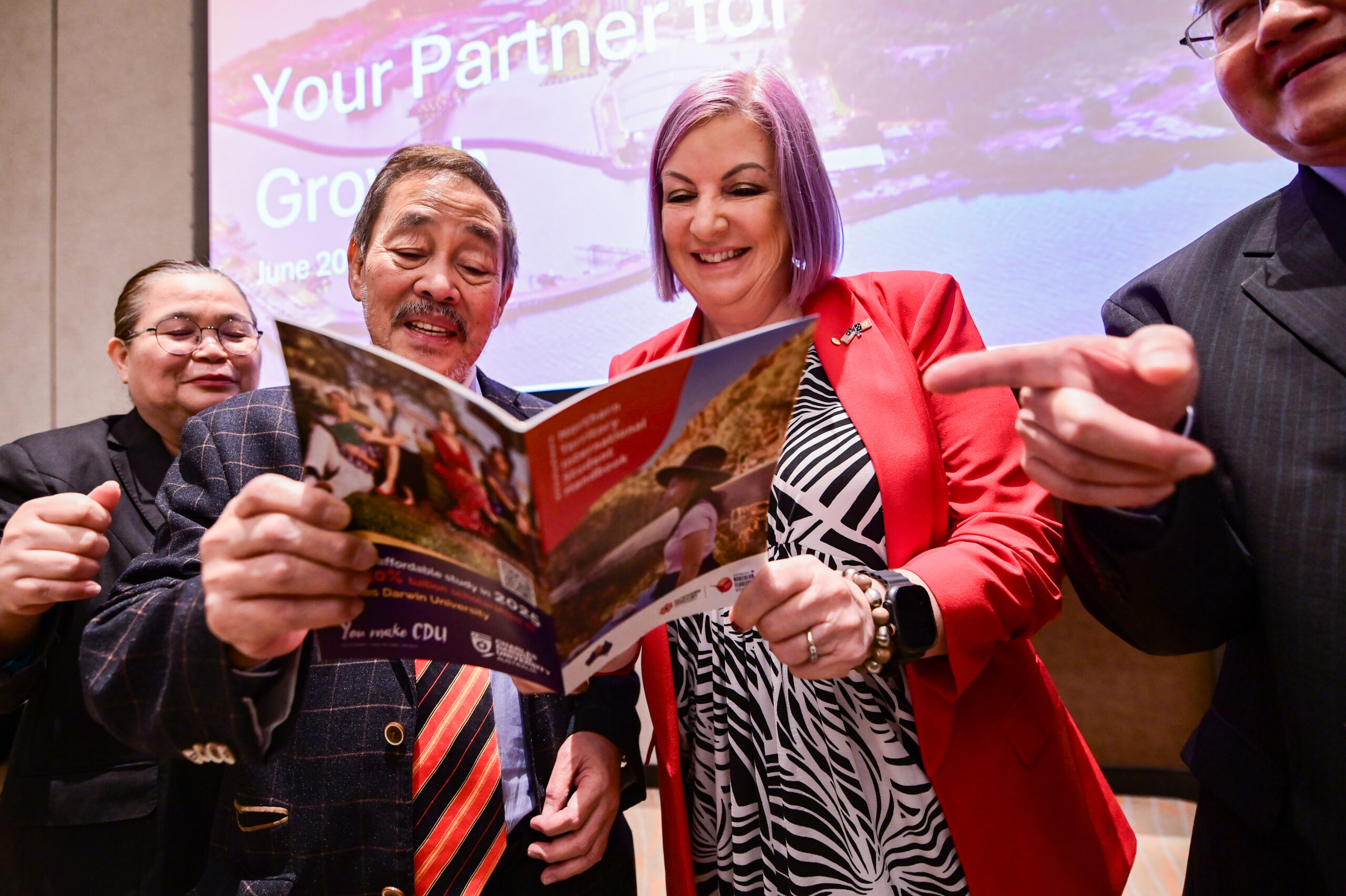
He said this while officiating at the Australia Northern Territory Education Forum 2025 at Hilton Hotel here today.
The event was also attended by Northern Territory Minister for Trade, Business and Asian Relations, Robyn Cahill, and the Study NT delegation.
A key initiative highlighted at the forum was the Sarawak Dual Language Programme (DLP Sarawak), introduced in 2020, which makes Sarawak the only state in Malaysia to teach Science and Mathematics entirely in English in all government schools.
To monitor the effectiveness of the programme, the state will introduce a new standardised assessment UP-DLP Sarawak this October for Year 6 and Form 3 students.
Sagah also emphasised the importance of establishing international partnerships that are strategically aligned with Sarawak’s long-term development goals.
“We welcome collaboration with the Northern Territory of Australia in areas such as student and lecturer exchange, joint research, teacher training, and Technical and Vocational Education and Training (TVET),” he added.
Sarawak is also eager to learn from the Northern Territory’s distinctive educational approaches, particularly in multicultural education, engagement with indigenous communities, and delivering vocational training in rural and remote settings.
“This kind of forum symbolises a fresh chapter in Sarawak’s bilateral relationship with the Northern Territory, which has previously seen successful cooperation in areas like crocodile conservation and ecotourism,” he said.