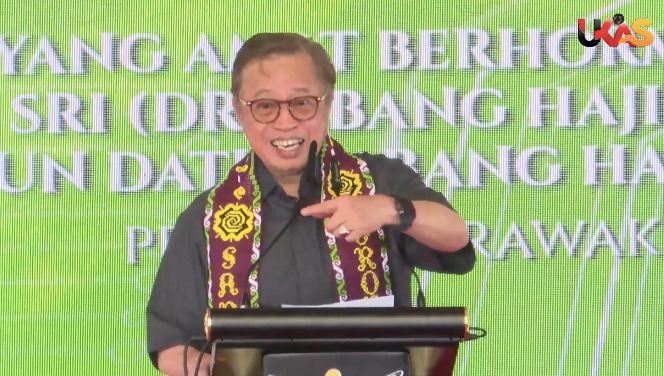
BINTULU: Sarawak will begin paddy cultivation on about 8,000 hectares next year as the state moves to increase its rice production.
Premier Datuk Patinggi Tan Sri Abang Johari Tun Openg said the expansion forms part of Sarawak’s efforts to strengthen food security through larger-scale cultivation and modern agricultural technology.
He said about 14,000 hectares have been identified for paddy cultivation across the state, including government land designated specifically for the crop.
“Starting next year, we will have about 8,000 hectares where we will begin planting paddy, while also diversifying into other crops including pineapple,” he said.
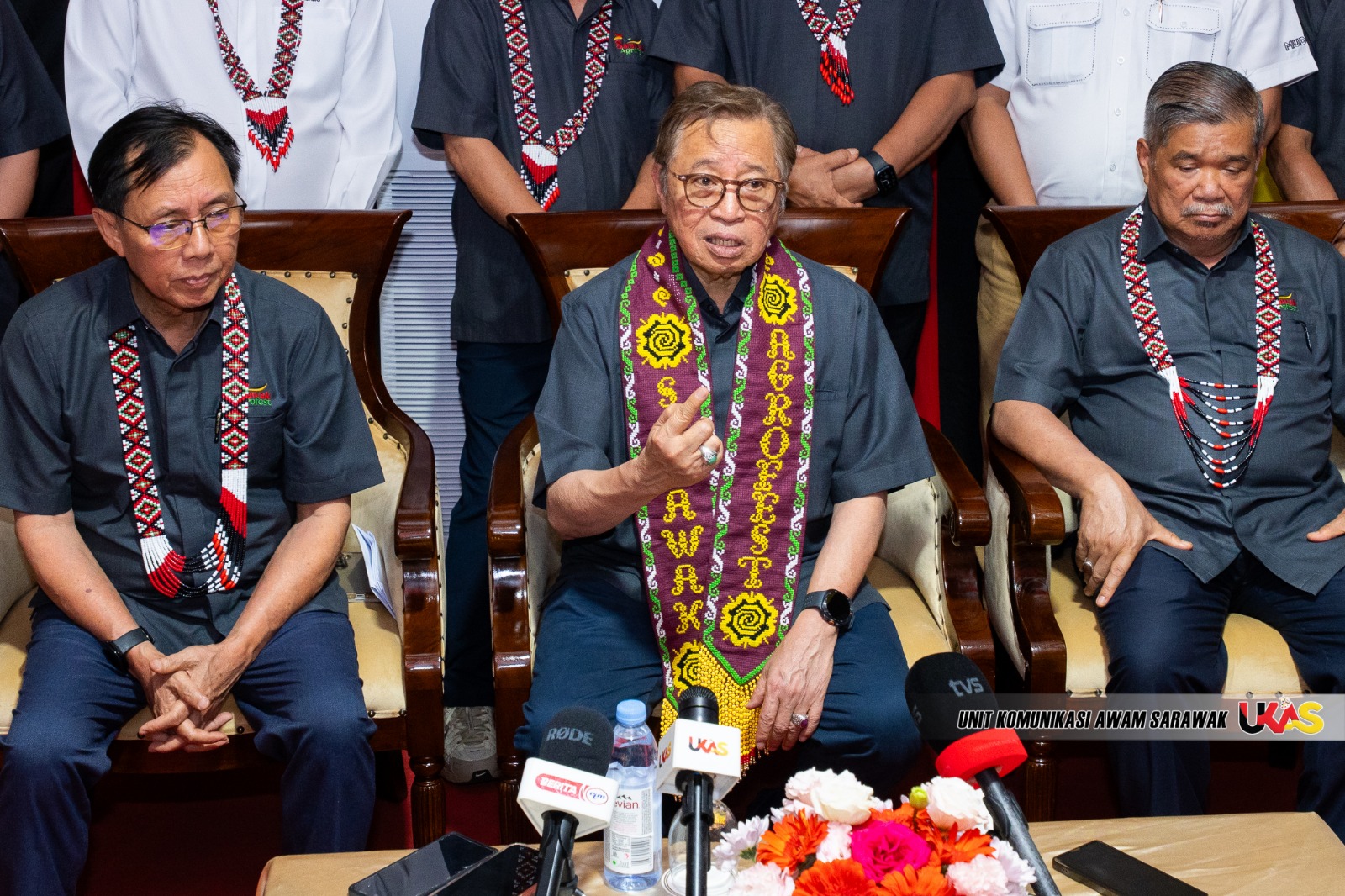
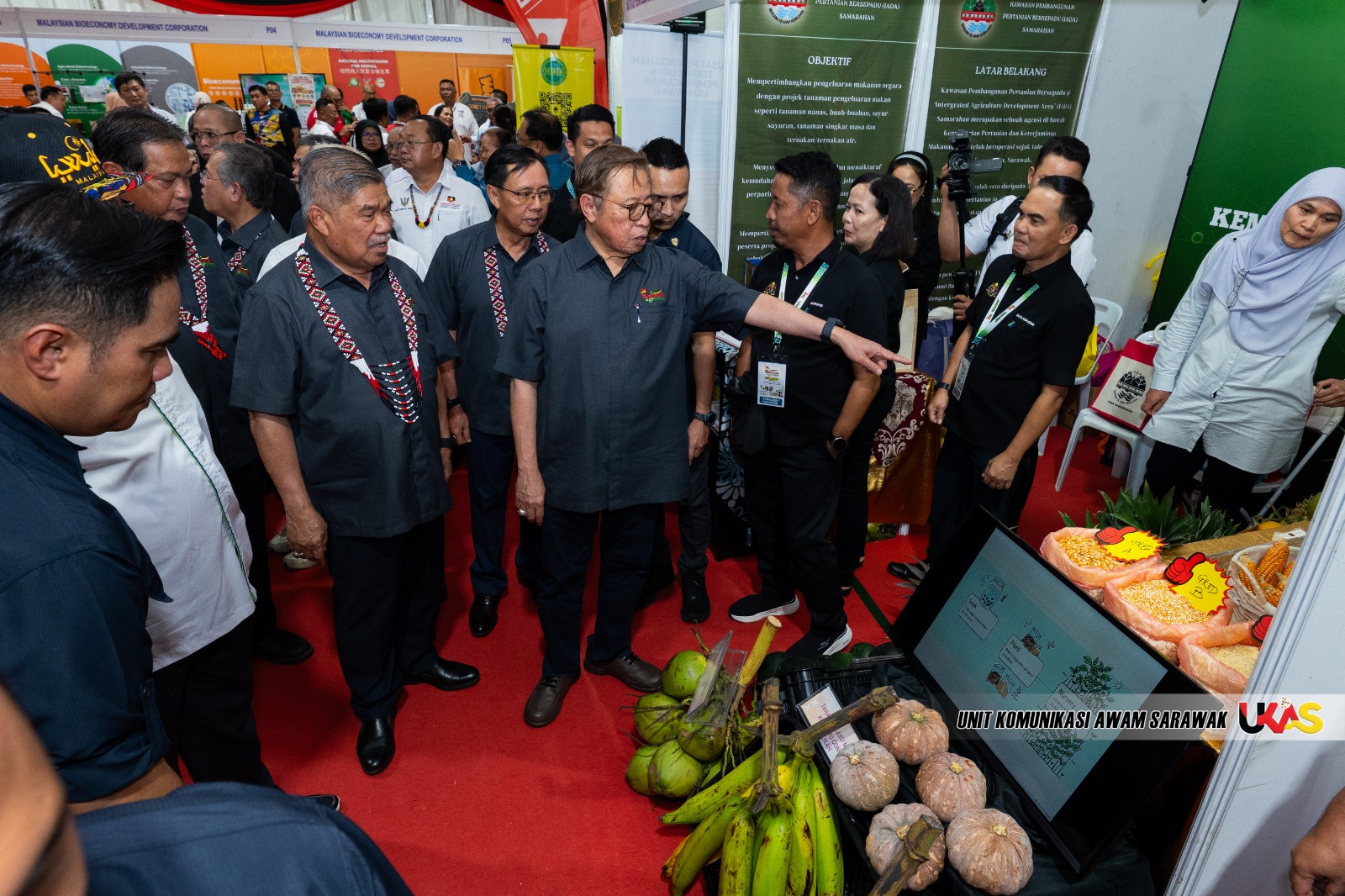
He said this when officiating at Sarawak Agrofest 2026 at Lapangan Terbang Lama Bintulu here today.
Abang Johari said 4,000 hectares have already been gazetted under Section 7 for paddy cultivation, while another 2,299 hectares of government land have been identified for the same purpose.
“This means about 7,000 hectares have been identified and gazetted, and they cannot be used for other crops — they must be used for paddy cultivation.
“Cultivation in these areas must adopt modern methods,” he added.
Among the areas identified for paddy development are Lundu, Stumbin, Sri Aman, Limbang and Lawas Valley.
Abang Johari said Sarawak intends to adopt modern cultivation methods, including hybrid rice varieties and technology aimed at producing higher yields.
The state is also collaborating with Yunnan University on perennial rice, which has been trialled in Baram.
He said initial results from the trial have shown positive results, with the variety capable of regrowing after harvesting without having to be replanted each time.
“This has been tried in Baram and it appears successful using perennial rice.
“For a lifespan of five years, there is no need to plant it again. You harvest it, it grows again, harvest it, and it grows again,” he said.
Abang Johari said yields could potentially reach 14 metric tonnes per hectare through improved varieties and cultivation methods.
He cited Gedong as an example of the potential productivity gains from adopting technology in paddy cultivation.
A village in his constituency, he said, previously produced about 1.2 metric tonnes per hectare, but yields increased to between six and eight metric tonnes per hectare following collaboration with Universiti Putra Malaysia (UPM).
“That means about six times more through the use of technology. The people’s income also increases sixfold,” he said.
Abang Johari said Sarawak also intends to introduce greater mechanisation into the sector, including the use of drones, machinery and robotics.
He said training would be provided to young Sarawakians and farmers on operating drones, including obtaining the necessary pilot licences.
The wider aim, he added, is to transform agriculture into a commercially driven food industry supported by science, technology and value-added activities.
“Farmers are not a poor group. They are a group that contributes to the development of the country’s economy,” he stressed.