KUCHING: The Ministry of Food Industry, Commodity and Regional Development Sarawak plans to establish a dedicated unit to manage seasonal fruits in a move aimed at stabilising prices and ensuring a consistent market supply across the state.
Minister Datuk Seri Dr Stephen Rundi Utom, said better coordination was needed to prevent price crashes during peak harvest seasons and to protect growers from losses.
He said he was struck by the sight of large quantities of durians being sold cheaply by the roadside when he recently returned to Sarawak.
“The situation looked hopeless and the prices were very low. I felt a mix of guilt and pity.
“We keep asking farmers to produce, produce, produce but when it comes to seasonal fruits, we must also manage them properly,” he said.
He said that during peak seasons, fruits such as durians and rambutans often flood the market, causing prices to fall to levels that make farming uneconomical.
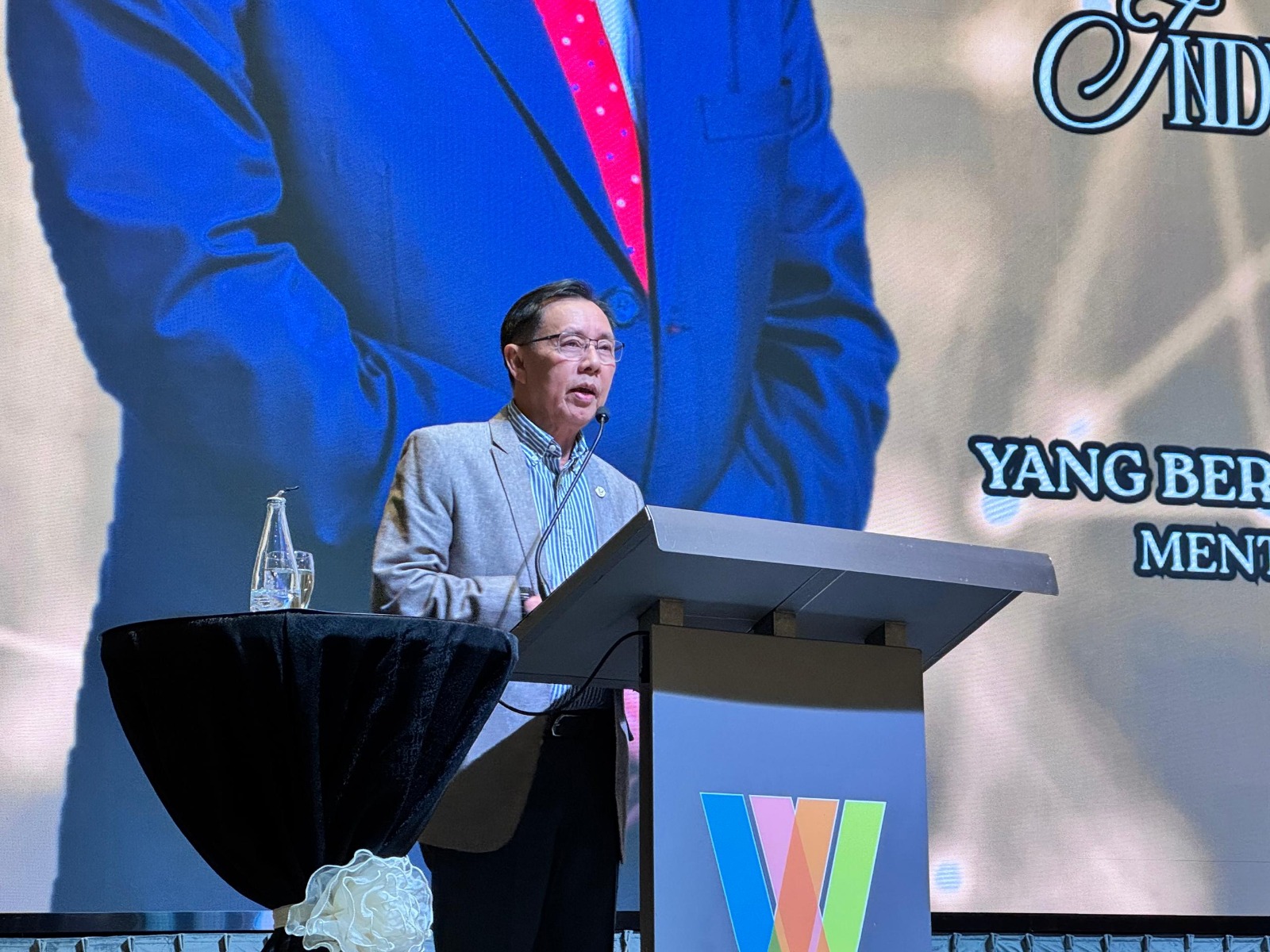
“At the peak of the season, durians, rambutans and the rest become so cheap that it does not even seem worthwhile,” he said at the Industri Asas Tani Gemilang Gala Dinner at a hotel here last night (Jan 14).
Dr Rundi said the solution lay in strengthening downstream processing so that surplus produce could be turned into value-added products.
“Durian can be made into paste, ice cream and many other products. Dabai can also be processed into various marketable items,” he said.
He added that the ministry also needed to ensure that logistics and market access were in place so farmers would always have an outlet for their produce.
“For example, pineapples can be processed in a factory into different products. The same model can be applied to coconuts, bananas and other perennial crops, as well as seasonal fruits like durians and rambutans,” he said.
Dr Rundi noted that countries such as Taiwan, Thailand and Japan had successfully implemented centralised systems to manage seasonal fruit production and marketing, and said Sarawak should emulate their approach.
“We ought to have one unit, one management or managerial unit, managing seasonal food.
“We now have to focus on developing both seasonal and perennial crops. By combining them, we can explore additional commodity opportunities. All of this will help balance our way of doing business.”
He said the proposed unit would coordinate production, processing, logistics and marketing, helping to ensure stable prices for consumers while safeguarding farmers’ incomes.