MIRI: The Sarawak Government is preparing a targeted support package to cushion households from rising living costs, as food prices and fuel expenses continue to climb.
Sarawak Premier Datuk Patinggi Tan Sri Abang Johari Tun Openg said the State Cabinet is refining the scope and delivery mechanism of the assistance to ensure it reaches those most affected and delivers measurable impact.
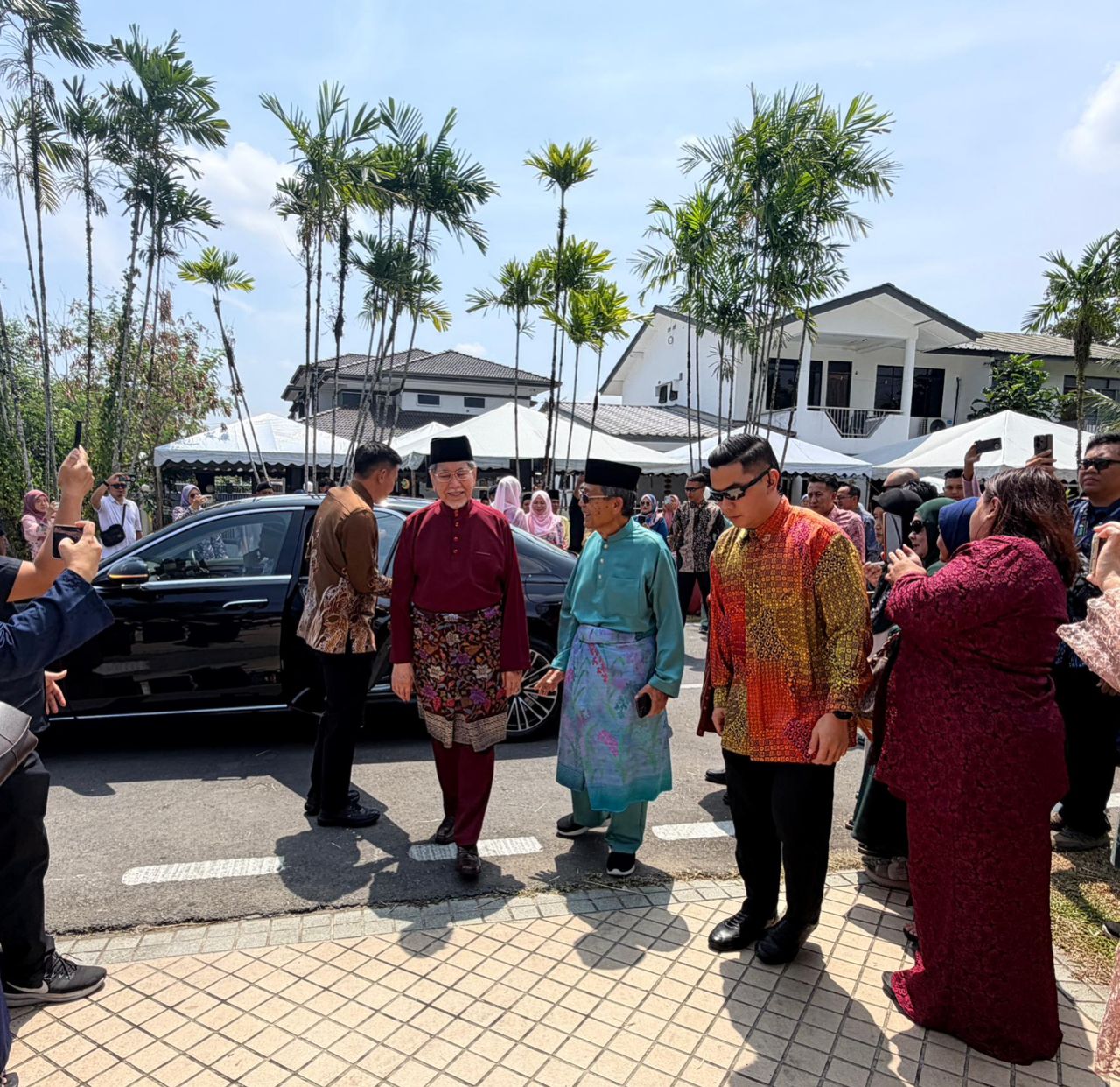
“We will meet to finalise this. I have informed the Cabinet that we intend to provide some assistance to address the current pressures,” he told reporters after attending SMK Long Lama’s 60th anniversary dinner gathering in Miri on Saturday.

The move signals a calibrated policy response rather than a broad-based subsidy, with officials focusing on precision targeting and fiscal sustainability.
Details of the package, including eligibility criteria, quantum of support and disbursement channels, are expected to be announced once cabinet approval is secured.
Sarawak, like the rest of Malaysia, is facing persistent cost pressures in recent months, driven by higher input costs across supply chains and volatility in global energy markets.
While federal measures have sought to stabilise key prices, state-level interventions are increasingly being used to bridge gaps at the household level, particularly in semi-urban and rural areas.
Abang Johari did not specify the size of the allocation but indicated the initiative would be structured to provide immediate relief while avoiding long-term distortions.
“We will announce it soon,” he said.
Policy analysts say the effectiveness of such measures will hinge on execution discipline, including accurate beneficiary identification and efficient last-mile delivery.
In Sarawak’s context, geography remains a critical variable, with accessibility and logistics influencing both cost structures and the speed of aid distribution.
The announcement comes amid growing public concern over affordability, with households adjusting spending patterns as essential goods and transport costs rise.
Businesses, particularly small and medium enterprises, have also flagged margin compression linked to higher operating expenses.
The state government’s approach suggests a dual-track strategy: short-term relief to stabilise household consumption, alongside longer-term efforts to strengthen economic resilience through infrastructure, energy security and income diversification.
Further details are expected in the coming days.