KUCHING: Sarawak’s economy in 2026 remains relatively stable, supported by strong state finances, ongoing development projects, and private sector investments.
However, rising living costs and global economic uncertainty are emerging as significant concerns that could affect both economic growth and political sentiment.
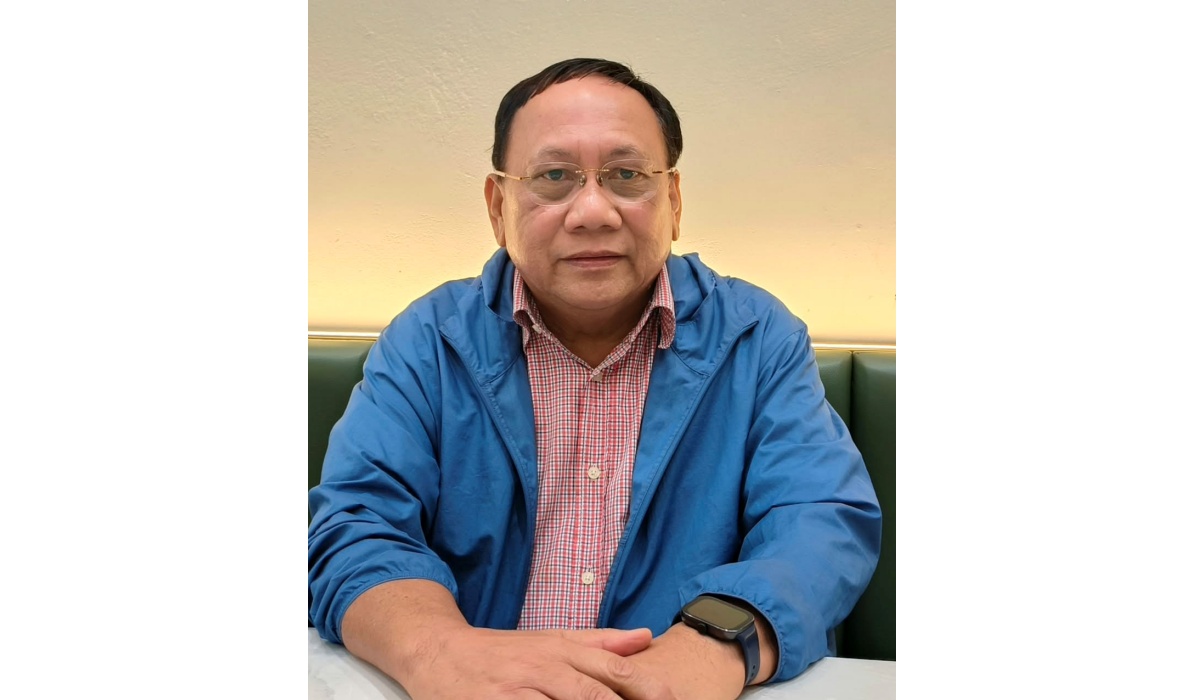
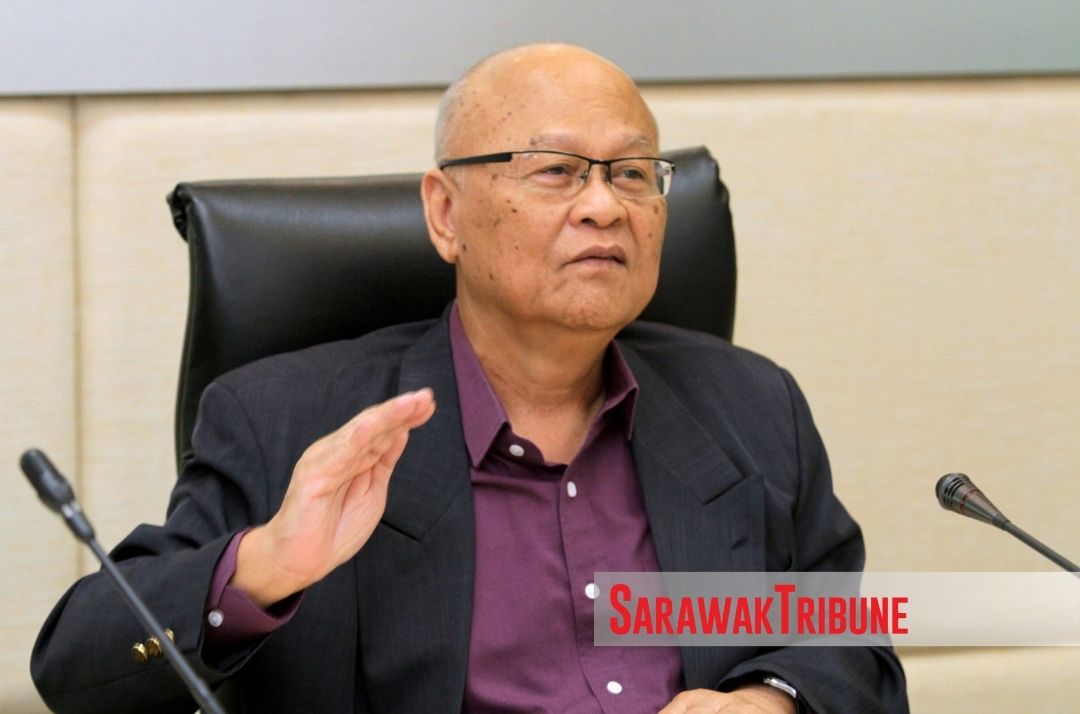
Economic analyst, Datuk Peter Minos, described the state’s current economic condition as “pretty okay and running”, noting that economic activities remain visible throughout Sarawak.
Across the state, government-funded infrastructure projects and private sector developments continue to move forward, reflecting confidence in the economy and the government’s financial capacity to sustain growth.
“The fact that development projects are being implemented all over Sarawak indicates that the government has the funds, alongside investments from the private sector,” he said.
Despite these positive indicators, Minos said the biggest concern for ordinary Sarawakians is the steady increase in the cost of goods and services.
“The cost of goods and services is rising almost by the week. Some rise by the day,” he noted.
He attributed much of the inflationary pressure to the ongoing conflict involving Iran, which has disrupted global supply chains and pushed up the prices of oil, gas and other petroleum-based products.
The impact extends beyond fuel prices. Higher costs for fertilisers, plastics and transportation eventually filter through the economy, contributing to increased prices for food, consumer goods and business operations.
According to Minos, the uncertainty surrounding the conflict means economic recovery remains difficult to predict.
“If the war in Iran goes on, and most likely so, our economy will not see any recovery, much less any betterment,” he said.
He stressed that the challenges are not unique to Sarawak, but are being felt across Malaysia and around the world as economies struggle with inflationary pressures and geopolitical instability.
Even if the conflict ends by the end of the year, Minos believes it could take between six months and a year before global supply chains and markets return to normal.
As a result, he expects economic conditions to remain challenging through the remainder of the year.
One consequence is more cautious consumer spending. Faced with higher living costs, households are increasingly prioritising essential purchases while reducing discretionary spending.
This, in turn, can slow broader economic activity as businesses experience weaker demand and postpone expansion plans.
“People grumble about prices and start spending only on essentials. This slows down the economy and, in fact, everything,” he said.
Still, Sarawak may be better positioned than many regions to weather the economic headwinds due to its strong oil and gas sector.
Higher global energy prices are expected to increase state revenue through petroleum-related investments, liquefied natural gas (LNG) ventures and the State Sales Tax on petroleum products.
Minos described this as a potential silver lining amid an otherwise challenging outlook.
Additional revenue could provide the state government with greater flexibility to introduce assistance programmes, subsidies and targeted aid to help ease the burden on households.
“The government will need to spend more on the people and hopefully this will add impetus to our state economy,” he said.
Such measures, he added, could help sustain domestic spending and provide some relief from rising living costs.
From a political perspective, Minos argued that economic conditions should be carefully considered in determining the timing of the next state election.
Given the likelihood of increasing economic pressures in the coming months, he believes it would be prudent for the election to be held before the end of the year, preferably by October.
For now, Sarawak’s economy remains stable and supported by development spending and energy revenues.
However, rising costs and continued global uncertainty will be key challenges shaping the state’s economic and political landscape in the months ahead.