KUCHING: Small and medium enterprises (SMEs) are urged to be bolder in seizing the vast opportunities available within the rapidly growing global halal industry.
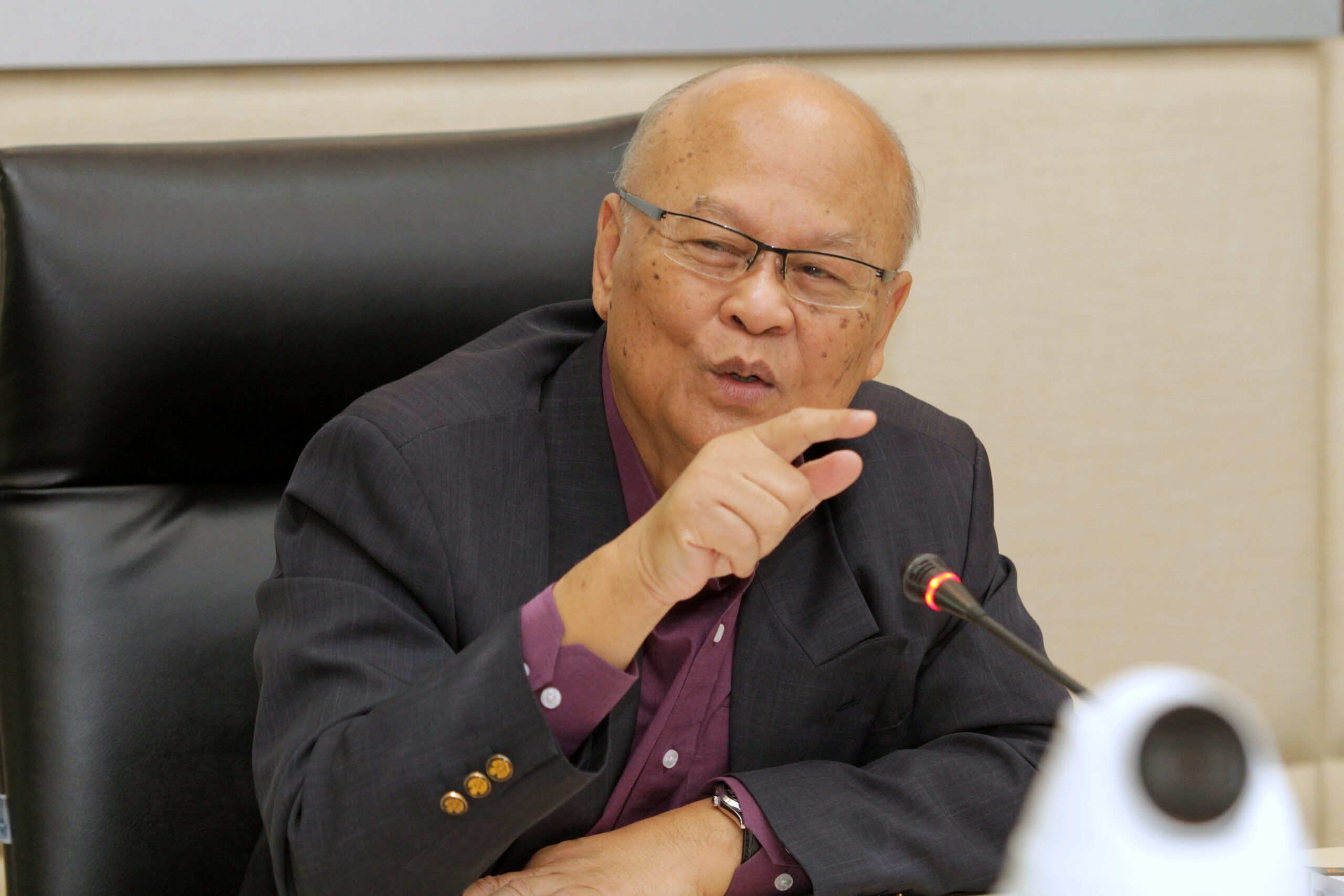
Deputy Premier Datuk Amar Awang Tengah Ali Hasan said the halal market carries enormous value, encompassing not only food and beverages but also pharmaceuticals, fashion, cosmetics, health products and religious items.
“Today, we see many halal products coming from countries such as China, Bangladesh, Pakistan, India and even Indonesia.
“What about Malaysia? Hardly any, despite us having the resources to produce goods that can tap into this wide-reaching market. Even prayer beads are mostly imported from China.
“So, if we can capture just two per cent of the global halal market, that is already a significant achievement. Sarawak entrepreneurs must take this opportunity,” he said when officiating the CIMB-RECODA SME Community Outreach Programme here today.
Awang Tengah, who is also the Minister for International Trade, Industry and Investment, stressed that entrepreneurs should fully utilise the state’s natural wealth by producing high-quality products.
“Entrepreneurs in Sarawak must recognise this opportunity. We have the resources, capability and potential – what remains is the right effort, creativity and collaboration to compete on the global stage.
“In fact, our experience in marketing gula apong, traditional foods and handicrafts overseas have clearly demonstrated this potential.
“I personally witnessed in Japan how people were willing to queue in sweltering 43-degree heat to visit the Malaysia Pavilion. Our products received overwhelming response, with roti canai sold at around RM50 apiece attracting an average of 2,500 customers daily,” he said.
He added that Sarawak products such as laksa, kolo mee and umai have also drawn similar interest, proving that local goods hold vast potential provided that quality, standards and packaging are emphasised to match international levels.
Awang Tengah reiterated that the state government is committed to building a comprehensive ecosystem to strengthen entrepreneurial capacity, including financing, training, guidance, digitalisation and market access.
“In 2024, SMEs accounted for 96 per cent of all businesses in Malaysia, playing a key role in attracting investment, driving exports and creating high-skilled jobs,” he added.
At the same time, he reminded Sarawak’s entrepreneurs not to take shortcuts in their pursuit of success, stressing that the government has already introduced a wide range of initiatives and support schemes to nurture competitive and resilient entrepreneurs.
“Do not take the easy way out. Such practices do not help unlock true potential and only hinder growth, because what we want are skilled entrepreneurs and contractors.
“For example, Rural Transformation Projects (RTPs) are awarded to Bumiputera companies. There may be minor shortcomings here and there, but do not take the easy way out by selling contracts. Instead, forge genuine partnerships,” he said.
He further emphasised that true success ultimately depends on the courage and determination of the entrepreneurs themselves.
“Since 2021, Sarawak has approved investments worth more than RM100 billion across 1,180 projects, which have successfully created nearly 23,000 job opportunities,” he added.