KUCHING: Sarawak has become Malaysia’s only state to introduce its energy transition policy, charting the course towards a low-carbon, secure and inclusive future.
Premier Datuk Patinggi Tan Sri Abang Johari Tun Openg said the Sarawak Energy Transition Policy (SET-P) is a comprehensive and coordinated policy document aimed at transforming Sarawak’s energy sector.
He said it consolidates existing strategies under a unified framework, addressing current energy trends while ensuring energy security, promoting environmental sustainability and maintaining economic affordability.
“The potential of the SET-P is transformative. By 2050, it is projected to contribute RM550 billion in cumulative gross domestic product (GDP), create over 80,000 high-paying jobs, and attract between RM580 billion and RM700 billion in investments.
“The key drivers of this growth include renewable energy, natural gas, Carbon Capture, Utilisation and Storage (CCUS), and clean hydrogen.
“Importantly, more than 75 per cent of the income generated is expected to benefit low- and middle-income groups, ensuring that our energy transition is not only transformative but also just and inclusive,” he said.
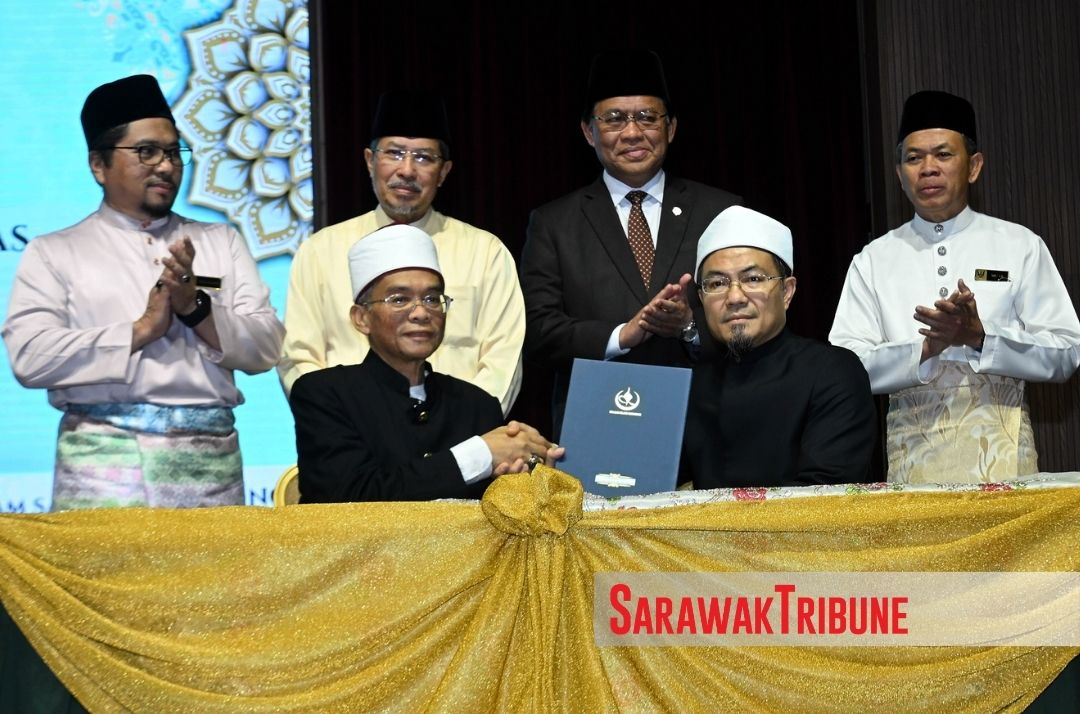
He was officiating at the Public Industry Engagement Day, organised by the Ministry of Energy and Environmental Sustainability (MEESty), which also saw the launch of the Sarawak Energy Transition Policy at the Borneo Convention Centre Kuching (BCCK) today.
Abang Johari said Sarawak has strengthened its policy framework to support the energy transition since 2023.
He noted that the state amended its law to mandate greenhouse gas emissions reporting for designated economic sectors, enabling better regulation and monitoring.
In May, the Sarawak Sustainability Blueprint 2030 was launched to embed sustainability into all aspects of society and the economy.
“This step places Sarawak on a clear policy path to progressively reduce and mitigate carbon emissions.
“It drives the transition to renewable energy, enhances forest and natural landscape conservation, promotes circular economy practices and invests in human capital through education, training and research,” he added.
He asserted the blueprint is complemented by the Sarawak Hydrogen Economy Roadmap (SHER), which aims to position the state as a leading hydrogen producer in the region.
SHER, he said, harnesses the state’s hydropower, solar, natural gas and CCUS potential to develop clean hydrogen energy.
“This roadmap supports not only Sarawak’s green growth ambition but also contributes to the wider ASEAN energy transition,” said Abang Johari.