KUCHING: Seven conservation and community groups have urged parties and prospective candidates in the 13th Sarawak Election to commit to development that protects nature.
In a joint statement, the groups said economic growth must go hand in hand with environmental sustainability, in line with the Sarawak Post Covid-19 Development Strategy (PCDS) 2030.
They said that although Sarawak has policies, roadmaps and strategies to achieve its sustainability goals, stronger efforts are needed to embed environmental considerations into development planning from the outset, rather than treating them as an afterthought.
The statement was issued by the Malaysian Nature Society (MNS) Kuching Branch, MNS Miri Branch, Pangolin Aware, Persatuan Informasi Ibubapa Miri, Sarawak Eco Warriors, WWF-Malaysia and Ulu Ai Conservancy.
The groups outlined seven priorities they want included in future policymakers’ agendas and election manifestos.
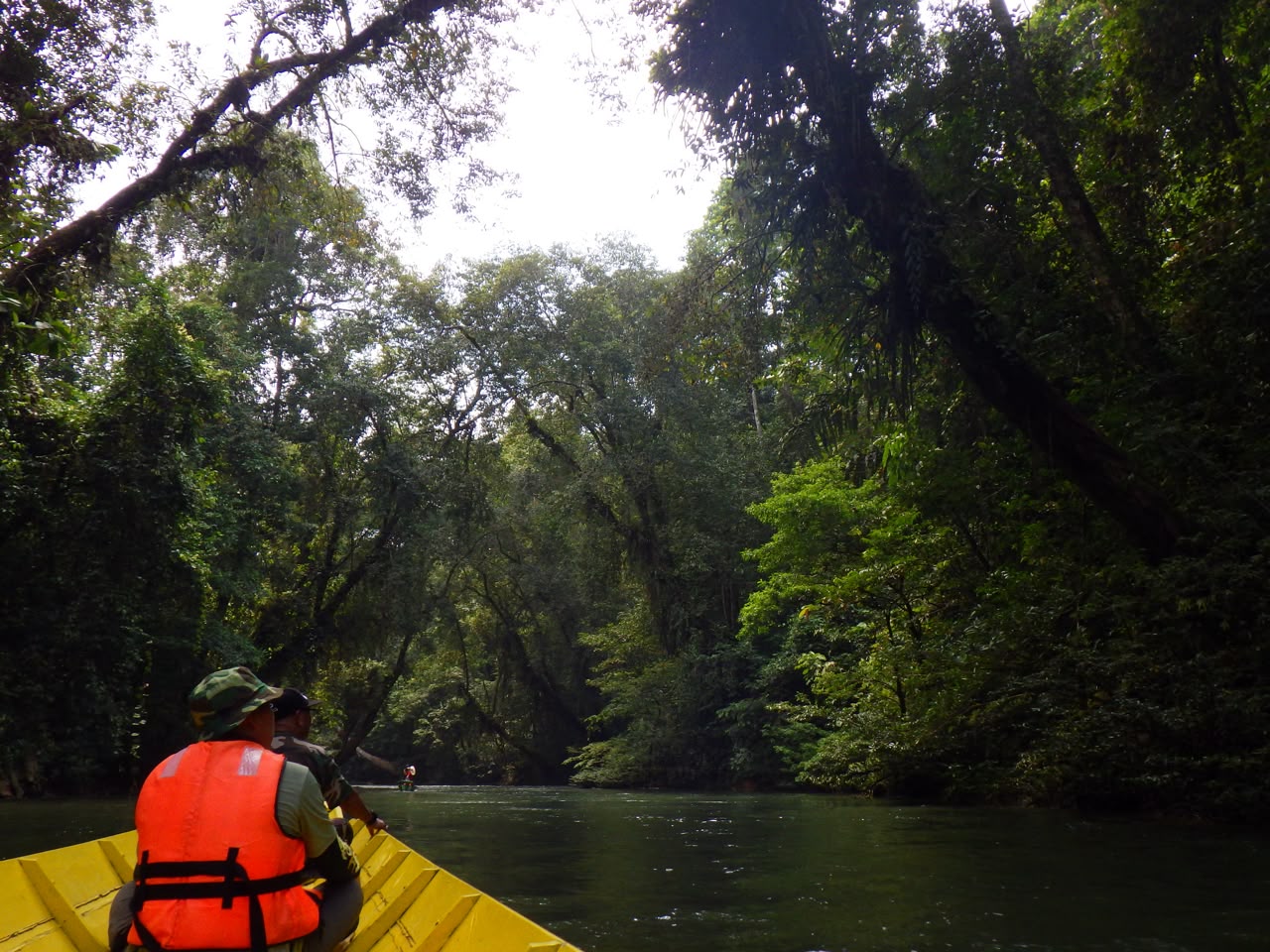
First, green infrastructure and nature-based solutions should be built into projects such as roads and bridges from the earliest planning stages, particularly where they intersect with conservation forests, rivers and wetlands.
Second, conservation should extend beyond Totally Protected Areas (TPAs) through ecological corridors linking them to surrounding forests and habitats.
The groups pointed out that the International Union for Conservation of Nature (IUCN) has warned the critically endangered helmeted hornbill could disappear from Sarawak within two decades without stronger protection.
They added that a Universiti Malaysia Sarawak (Unimas) review found 43% of Sarawak’s primate species are vulnerable or endangered, while 13% are critically endangered.
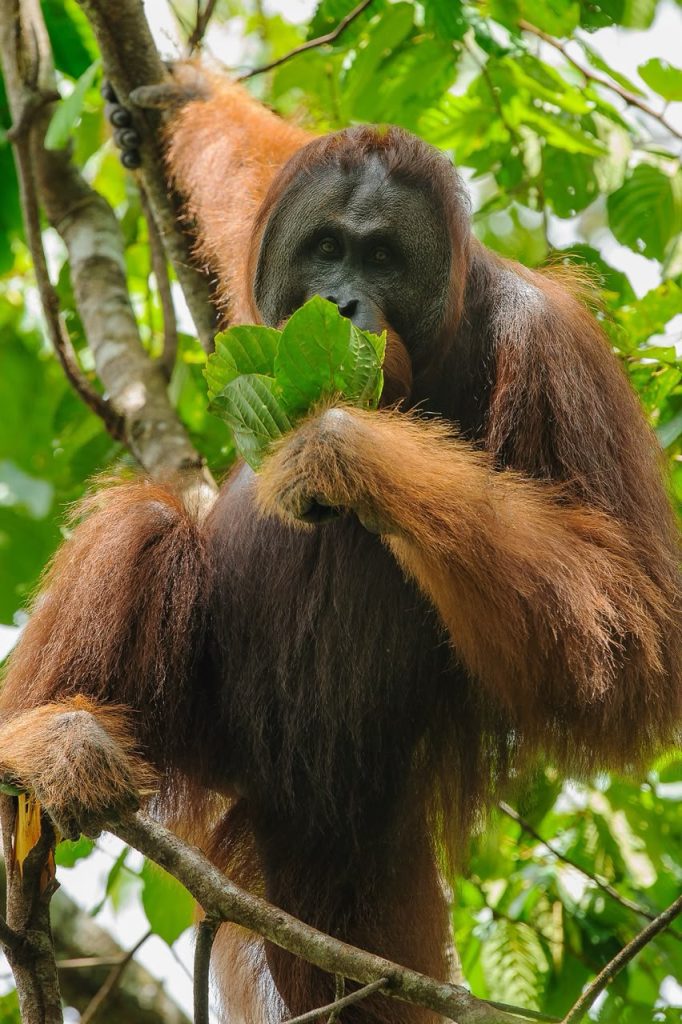
Third, coordination, accountability and transparency in development planning must improve. The groups cited developments near orangutan landscapes such as Ulu Sungai Menyang and Gunung Lesong-Ulu Sebuyau in Sri Aman Division as showing the need for stronger safeguards.
They called for the Environmental Impact Assessment (EIA) process to include mandatory public participation and greater involvement of non-governmental organisations (NGOs), and for tougher enforcement against poaching and wildlife trafficking.
Fourth, policymaking should be science-based, with transparent data sharing between government agencies, researchers, communities and civil society.
Fifth, youth should be given meaningful roles in environmental decision-making beyond one-off awareness programmes.
Sixth, protected areas and nature-based recreation need better management, including improved access for families and children and more nature education programmes.
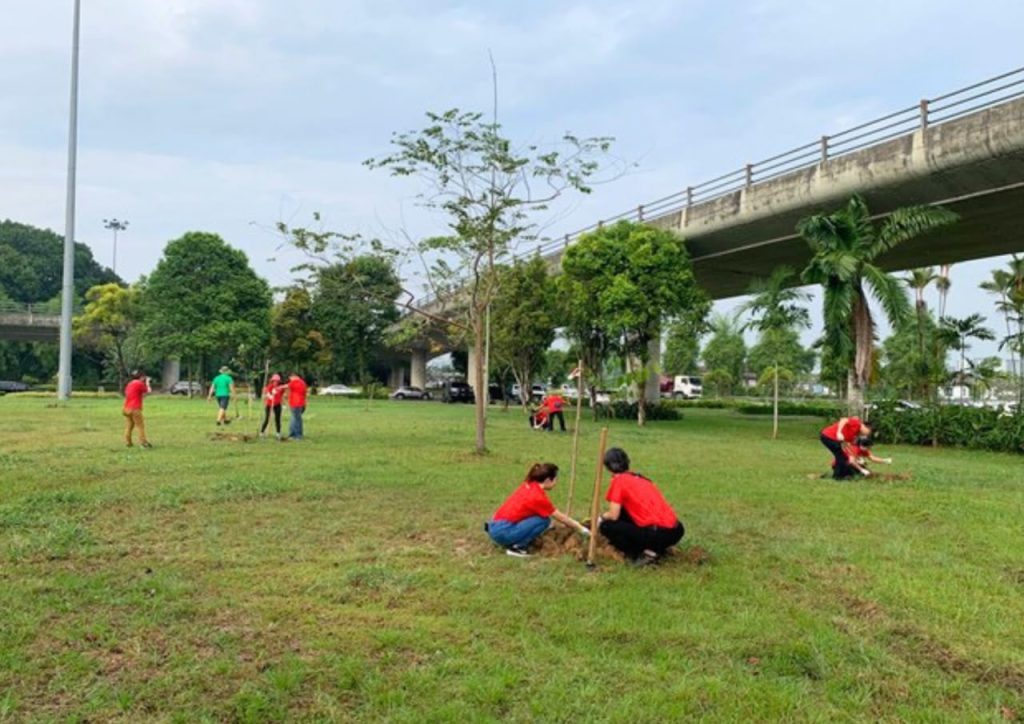
Seventh, urban spaces should be “rewilded” with indigenous and native trees and plants that provide food and shelter for birds, pollinators and other wildlife.
The groups said protecting biodiversity and ensuring public participation are not obstacles to development but essential foundations for a resilient and sustainable future.
They urged parties and candidates to show their commitment to responsible, nature-positive development, saying Sarawak’s natural heritage supports livelihoods, food security, climate resilience and economic opportunities.