KUCHING: A proposed Special Economic Zone (SEZ) at the Paloh–Aruk border has emerged as a new catalyst for closer agro-industry cooperation between Sarawak and Indonesia’s Sambas Regency.
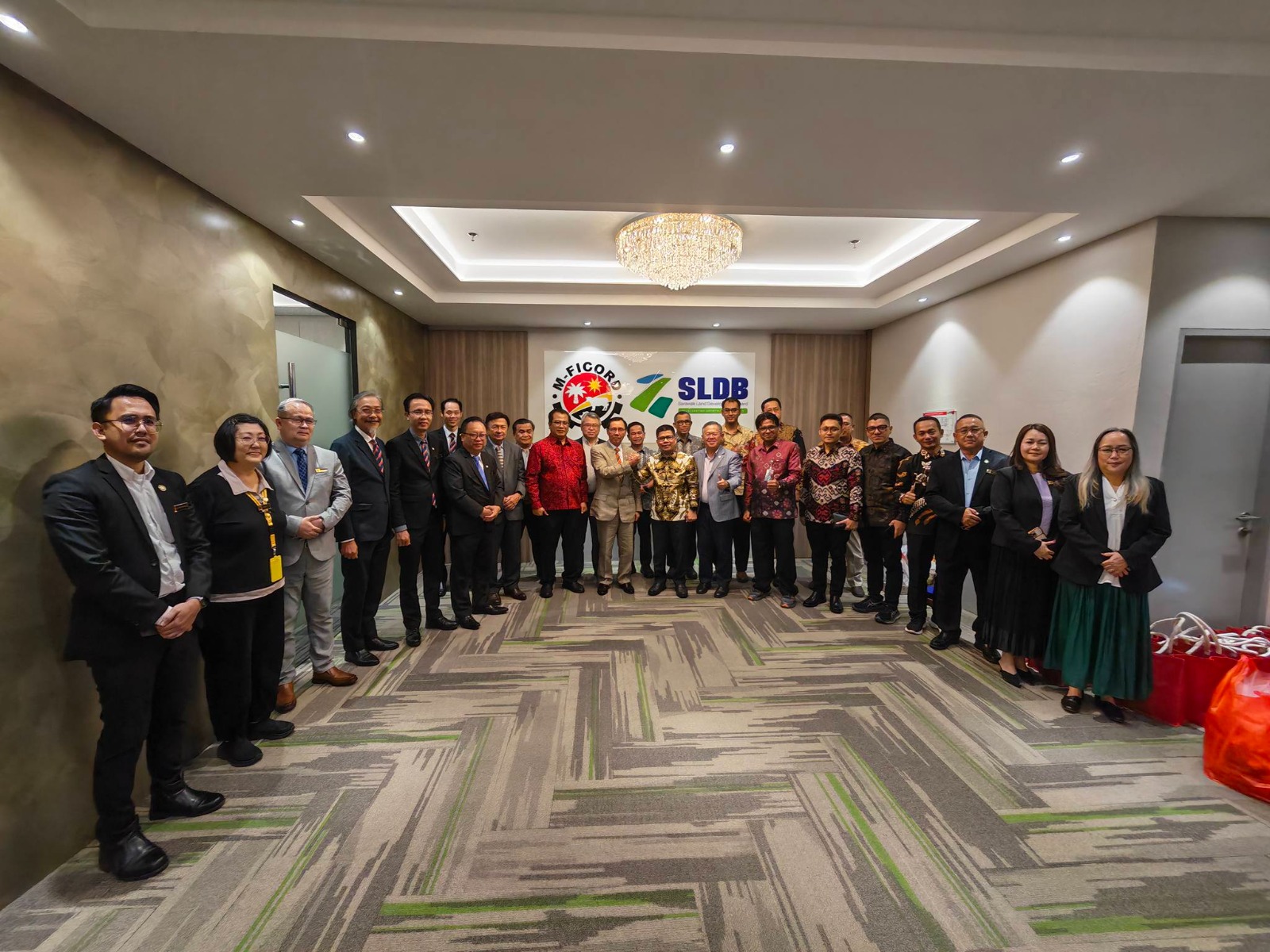
The potential collaboration was discussed during an official visit by a delegation from Sambas regency, led by its Regent H Santono, who met Minister of Food Industry, Commodity and Regional Development (M-FICORD) Datuk Seri Dr Stephen Rundi Utom at the Sarawak Land Development Board (SLDB) office here recently.
During the meeting, both sides explored opportunities to strengthen the agro-industry sector, which serves as a major economic pillar for Sarawak and Sambas as neighbouring regions.
Santono said Sambas is a major rice-producing area, recording production of 205,501 tonnes from 68,422 hectares in 2025. The regency also produces other key commodities, including oil palm, dragon fruit, mandarin oranges and pepper.
He said proposed cooperation with Sarawak is expected to enhance the agricultural value chain through technology transfer and the sharing of expertise, particularly in agro-based downstream activities.
As part of the engagement, Santono invited Sarawak investors to explore investment opportunities in Sambas, especially through the proposed SEZ at the Paloh–Aruk border.
The SEZ is envisioned to drive industrial downstream activities through value-added commodity processing, while strengthening the area’s role as an export-import gateway between Indonesia and Malaysia.
Temajuk in Sambas has been identified as a strategic location due to its proximity to major international shipping routes along the Malacca Strait and the South China Sea, positioning it as a potential logistics and trade hub.
Discussions also touched on the placement of Indonesian migrant workers (PMI) from Sambas in Sarawak. The Sambas delegation noted Sarawak’s strong demand for labour in the plantation, construction and industrial sectors, viewing it as an opportunity that could be managed in a structured and mutually beneficial manner.
The visit reflects a proactive effort by the Sambas Regency government to transform border areas from perceived “remote regions” into a “frontline” that functions as a new economic growth centre in Borneo.