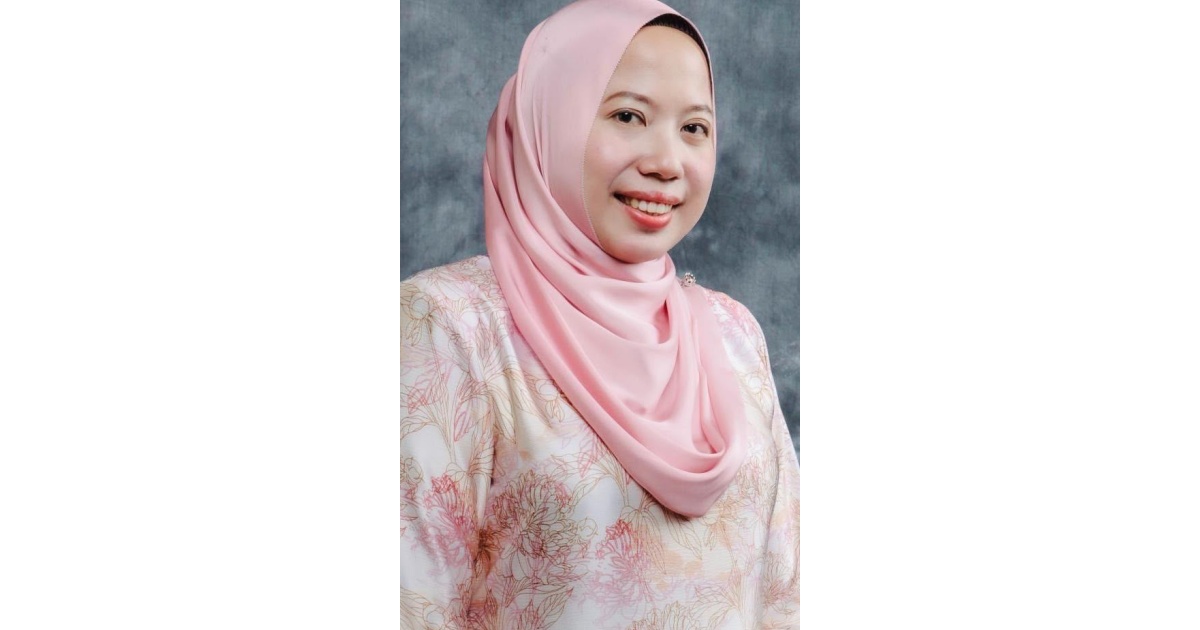
KUCHING: The drop from 24 new faces in 2021 to 11 in the 13th Sarawak general election (SGE13) suggests Gabungan Parti Sarawak (GPS) is taking a more gradual approach to leadership renewal, says political analyst Dr Nur Auni Ugong.
Nur Auni, the deputy dean for student affairs and alumni at Universiti Malaysia Sarawak’s (UNIMAS) Faculty of Social Sciences and Humanities, noted that newcomers made up 13.4 per cent of the 82 GPS candidates this time, down from 29.3 per cent in 2021.
“Experienced leaders bring administrative experience and longstanding ties with communities, while new faces can offer different perspectives, expertise and ways of dealing with local issues,” she said when contacted.
Nur Auni noted that 2021 was the first state election GPS contested under its own banner after its formation in 2018.
This time, she pointed to a greater emphasis on implementing existing policies and assessing the results of Sarawak’s development agenda.
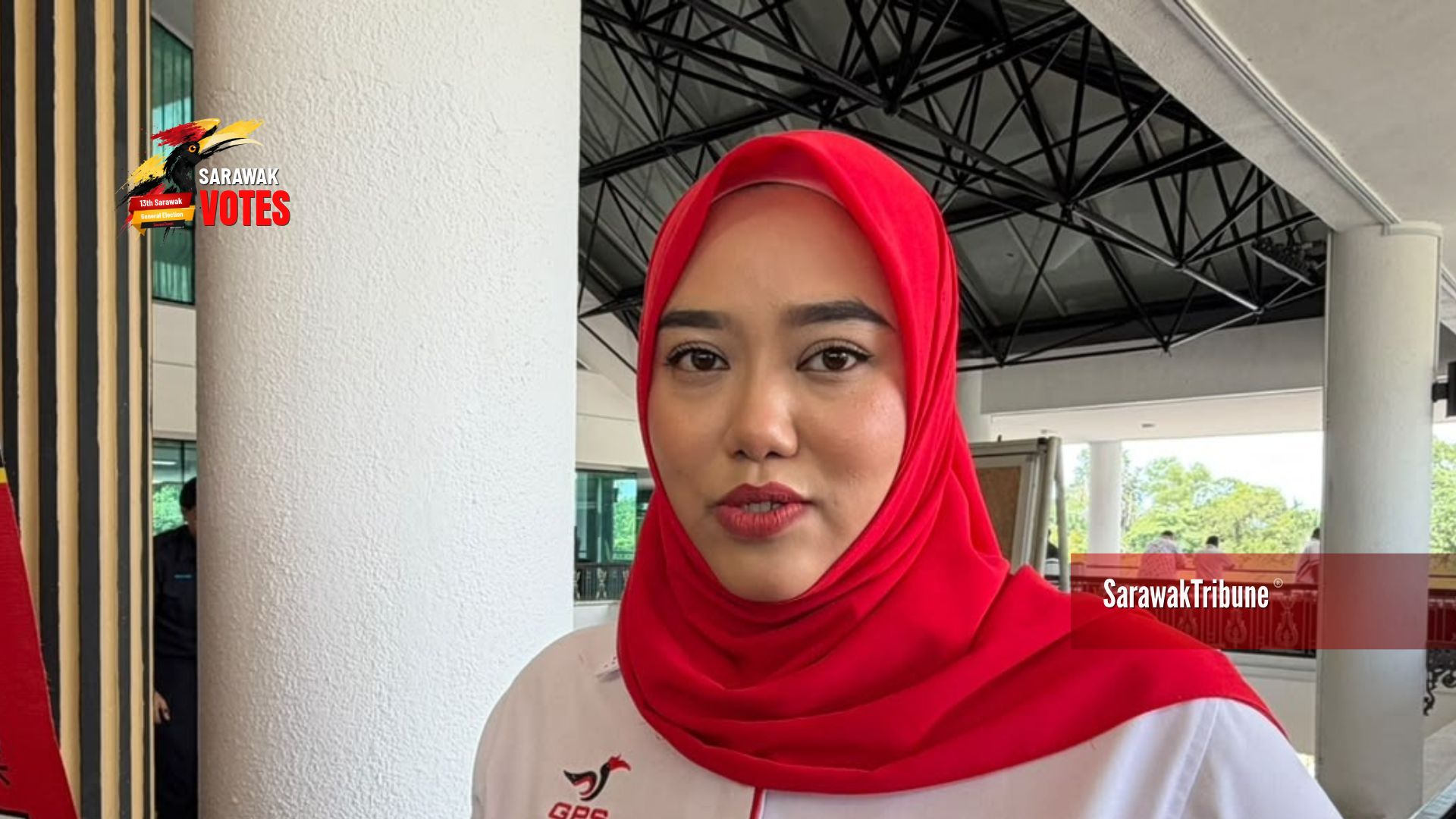
Nur Auni described the rise in women candidates from four to five as modest, with their share of the GPS lineup increasing from 4.9 per cent in 2021 to 6.1 per cent.
She pointed to women’s experience running small businesses, managing household finances and organising community activities, and called for their greater involvement in areas such as finance, technology and infrastructure.
“Meaningful participation means giving women room to speak, influence decisions and help shape policy,” she said.
Nur Auni said younger leaders could bring issues such as graduate employment and housing affordability into policy discussions, alongside rural concerns about internet access, transport and skills training.
Elected representatives, she added, would have to close gaps in road access, water and electricity supply while preparing communities for opportunities in the digital economy, renewable energy and high-tech industries.
For families, she noted that the benefits of development would be felt through better jobs, steadier incomes and easier travel between villages and towns.
“A people’s representative must be able to sit with residents in a longhouse’s ruai, at a community hall, surau or coffee shop to understand the issues they face in daily life.
“Voters should assess incumbents on what they have delivered and how well they have represented their constituents.
“For new candidates, voters should consider their integrity, leadership ability and understanding of local communities,” she said.