KUCHING: Serembu is shaping up for a potentially straight fight in the coming 13th Sarawak General Election (SGE13), with Parti Bansa Dayak Sarawak (PBDS) strongly indicating its intention to field a candidate to challenge Gabungan Parti Sarawak (GPS).
Although no official announcement has been made, speculation is mounting that PBDS may nominate Dr Bego Sepop, whose name has been circulating on social media as the party’s prospective candidate.
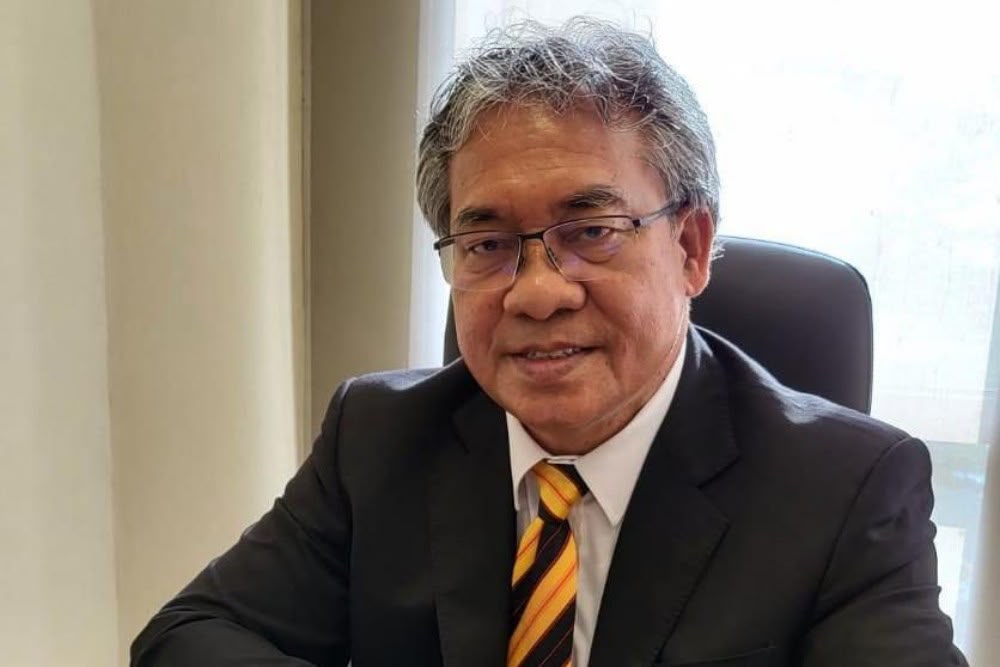
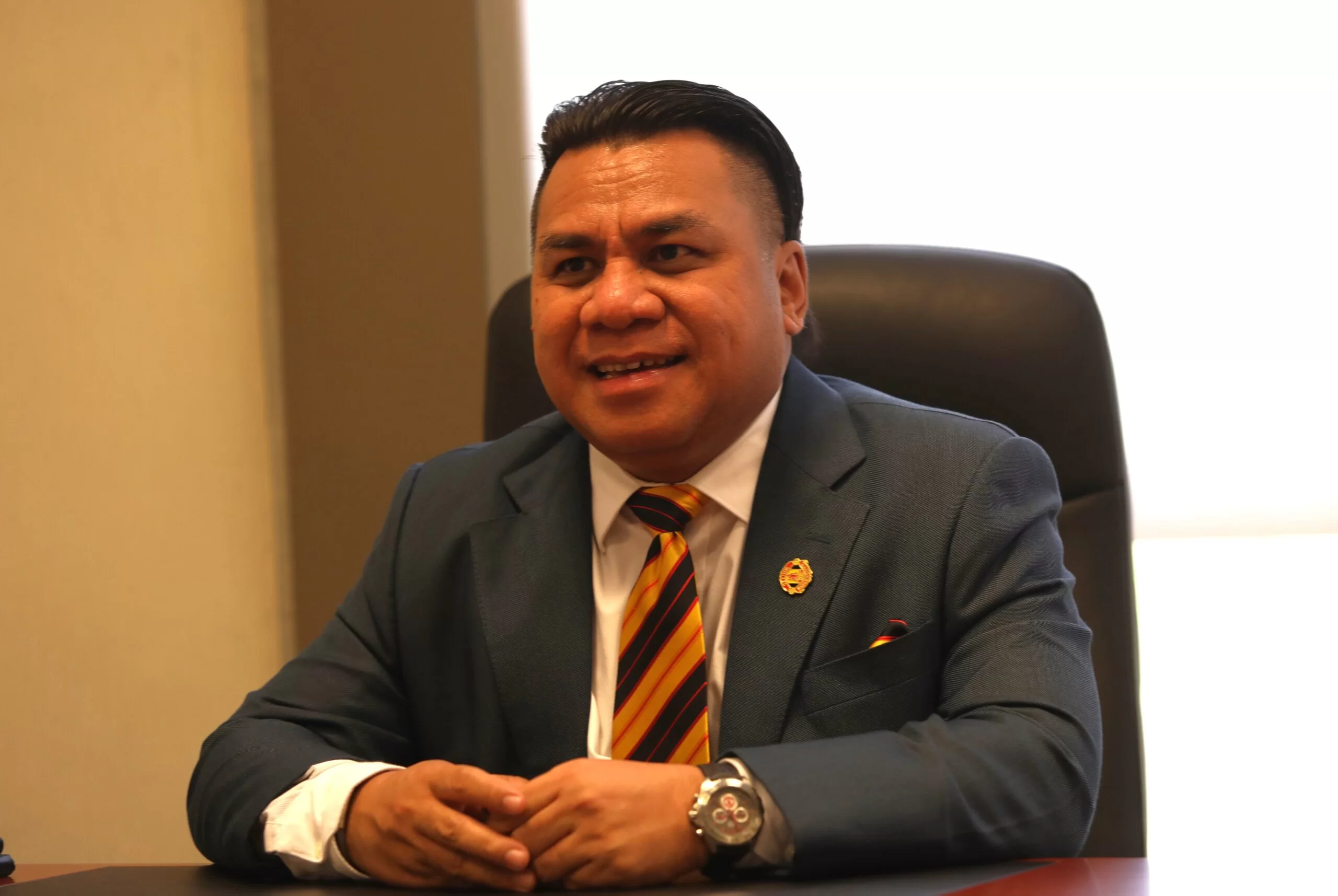
Serembu incumbent Datuk Miro Simuh said he was aware of speculation on the ground that PBDS could emerge as GPS’ challenger in Serembu.
When contacted, Bego declined to confirm his candidacy, saying the matter would only become clear on nomination day.
“Wait until nominations. At the moment, I’m just the aspiring candidate. I know it’s not going to be easy to go against GPS. It’s like David versus Goliath,” he said.
Miro’s candidacy under GPS, however, will only be confirmed when Premier and GPS chairman, Datuk Patinggi Tan Sri Abang Johari Tun Openg announces the coalition’s full candidate list on Nov 25.
If renominated, Miro would be seeking to defend a seat he has represented for the past 10 years, giving him a considerable advantage in terms of political familiarity, grassroots connections and understanding of local issues.
His electoral performance has also been encouraging, with his majority increasing from 1,397 votes in 2016 to 1,650 in the 2021 state election.
His incumbency, coupled with GPS’ extensive political machinery, government backing and organisational network, places him in a strong starting position should he face a direct challenge from PBDS.
Miro can also draw on his record in championing local development, including improvements in basic infrastructure, community facilities, agricultural support and economic initiatives.
However, a decade in office also brings greater voter expectations and accountability, with residents able to assess whether development promises have translated into tangible improvements in their communities.
The emergence of an additional 6,865 voters presents another significant electoral variable.
A credible Bidayuh challenger capable of connecting with younger voters and articulating genuine grassroot grievances could make the contest more competitive than previous election results suggest.
For PBDS, the challenge will be converting its political presence and support for its prospective candidate into actual votes, particularly against an incumbent with an established village-level network.
While Miro appears to hold the stronger hand, Serembu should not be regarded as a guaranteed GPS victory.
The extent to which PBDS can mobilise new voters and tap into local sentiments could ultimately determine whether the expected contest becomes a serious electoral challenge or another comfortable victory for GPS.