KUCHING: Premier Datuk Patinggi Tan Sri Abang Johari Tun Openg has cited the takeover of Bintulu Port as an example of how Gabungan Parti Sarawak (GPS) used its mandate to bring a major revenue-generating asset under state control.
This was in stark contrast to when it was a federal port, contributing to federal revenue, when Parti Bansa Dayak Sarawak’s (PBDS) President, Dr John Brian Anthony, was formerly its chairman during Pakatan Harapan’s (PH) reign as federal government from 2018 to 2022.
Abang Johari questioned what Brian did during his chairmanship – and whether he used his position of power to help Sarawak and its people.
Now being a state-controlled port, Abang Johari said Sarawak is essentially the ‘tauke’.
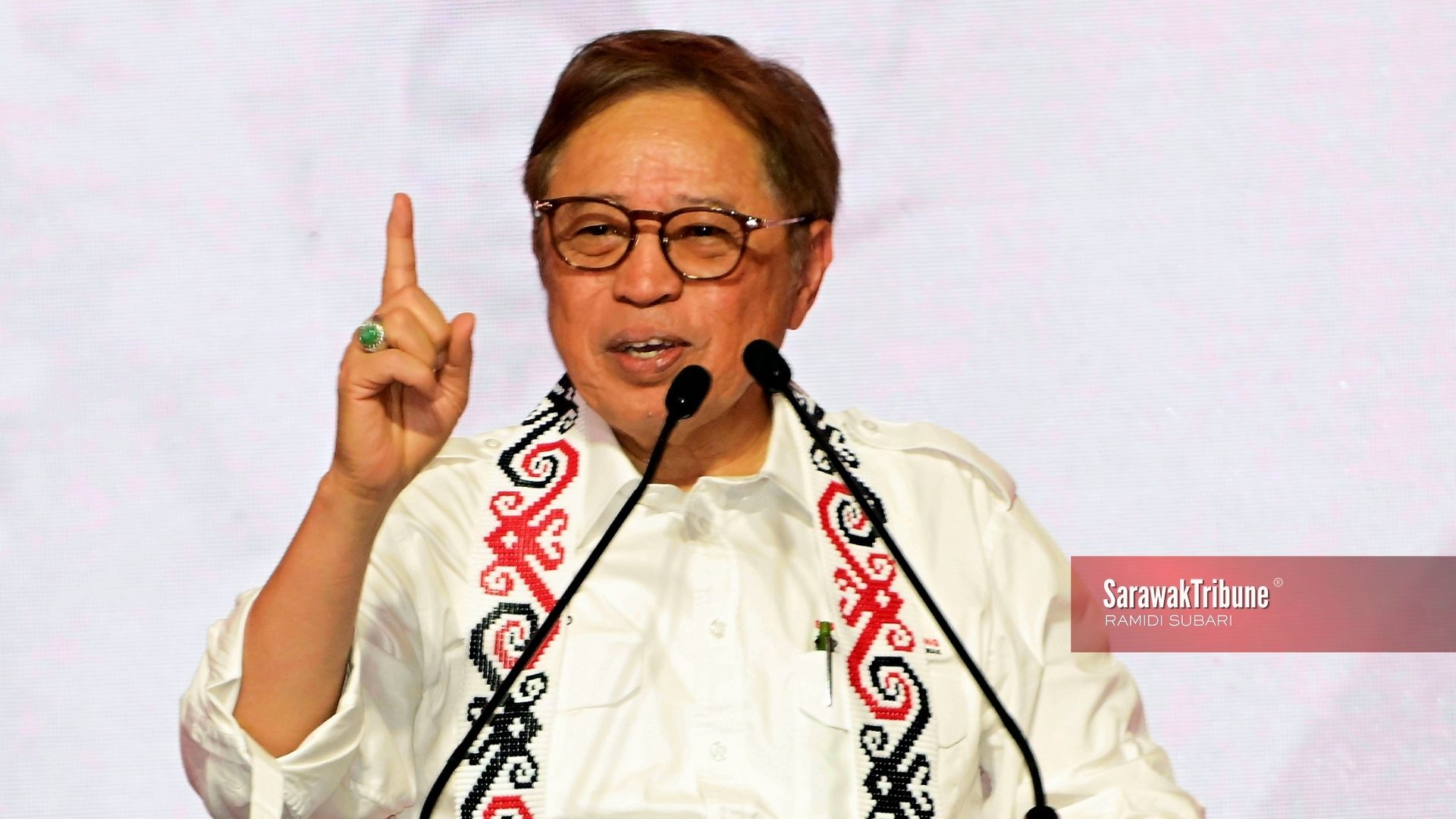
“What is the use of being chairman if someone else is the ‘tauke’? What can the chairman do? What did you do when you were in authority?” he said, referring to Brian.
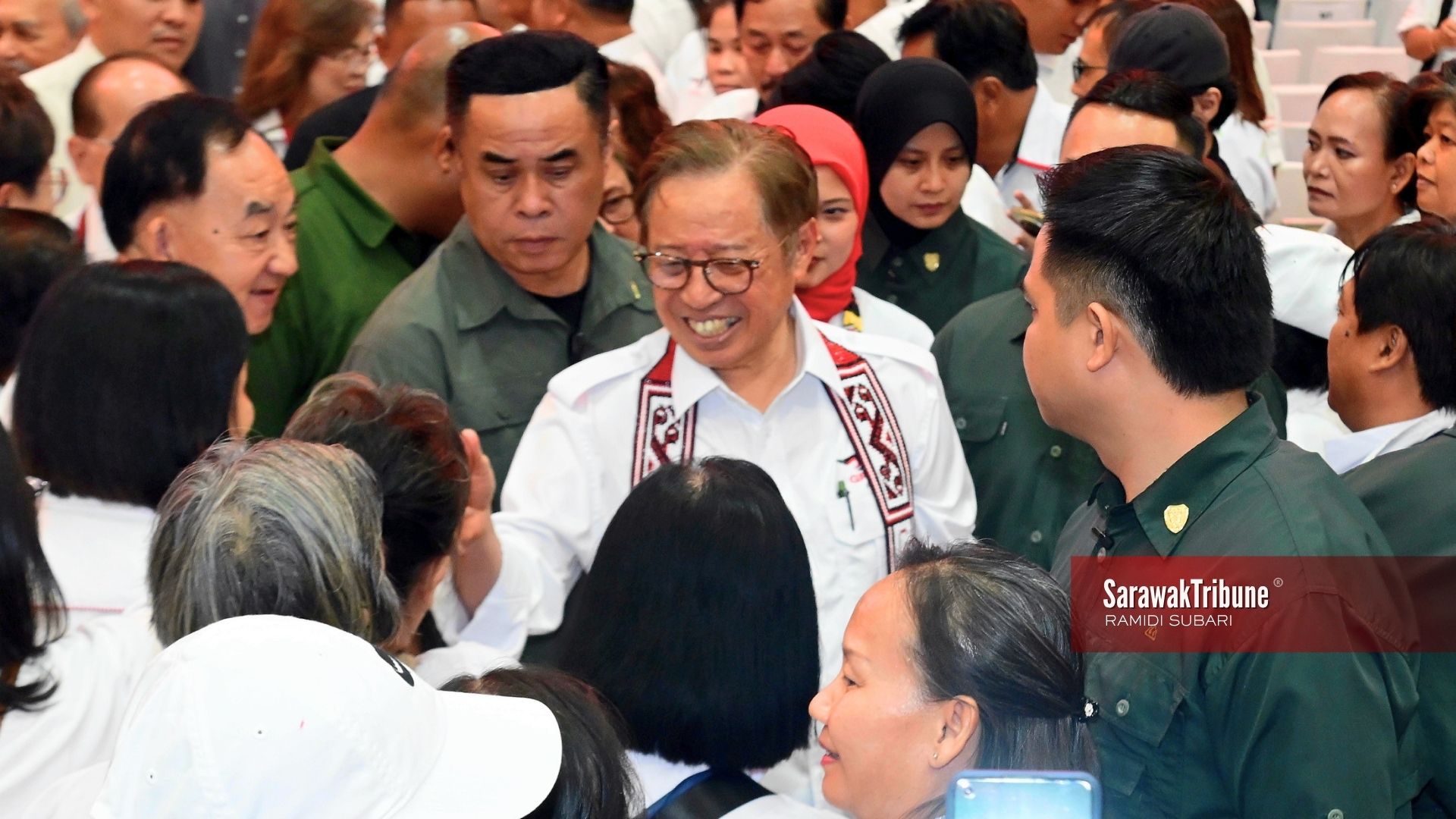
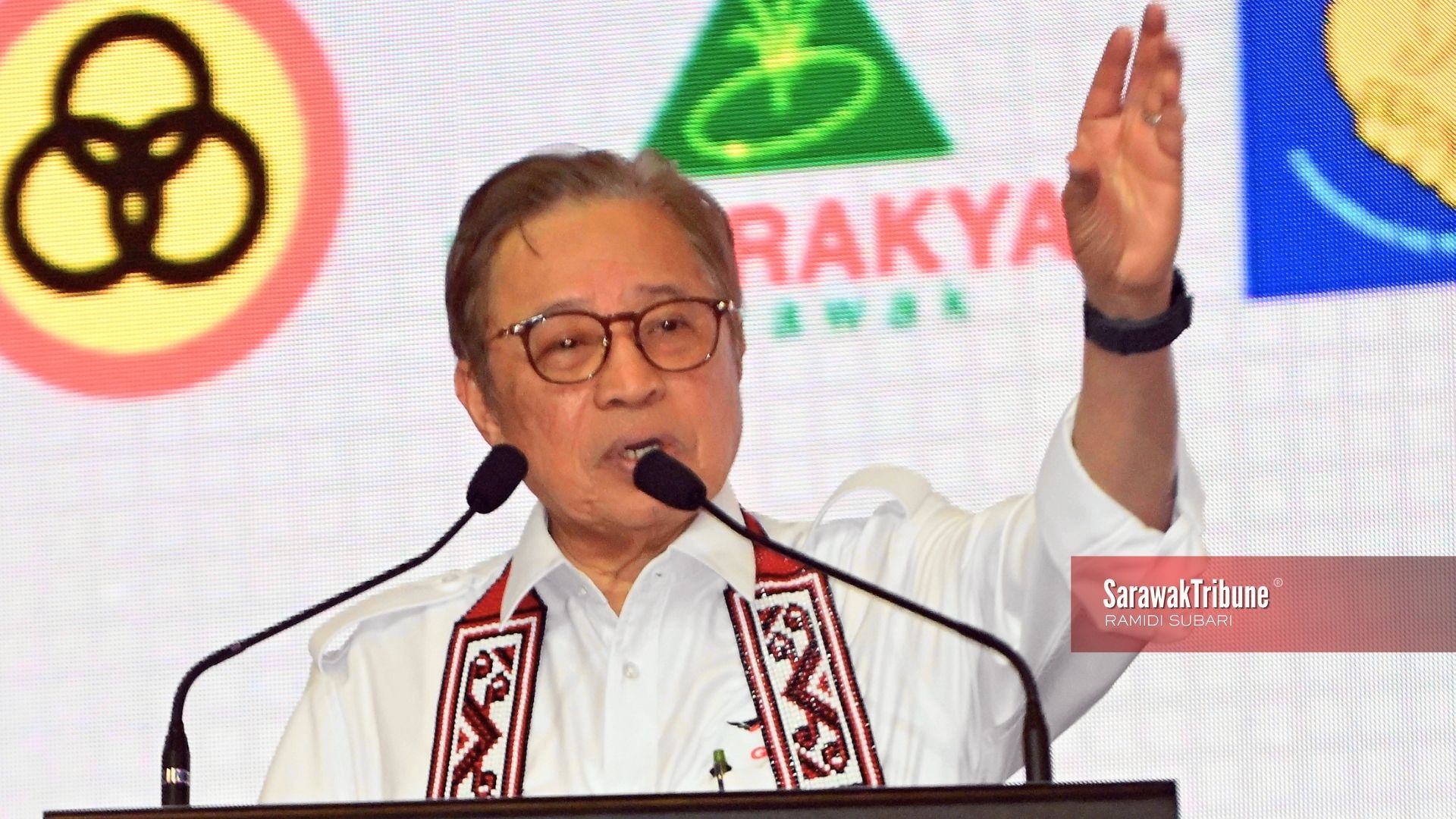
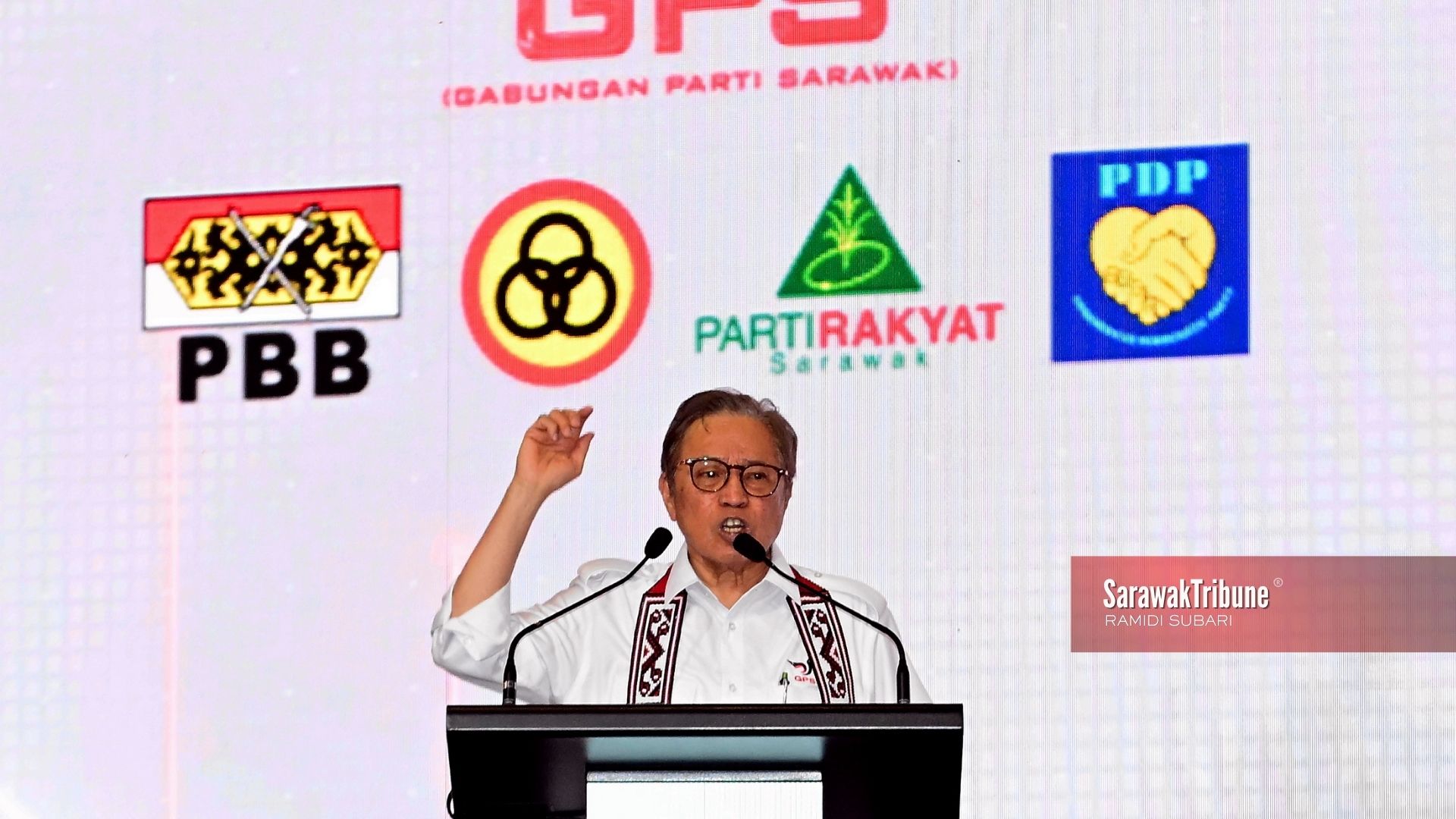
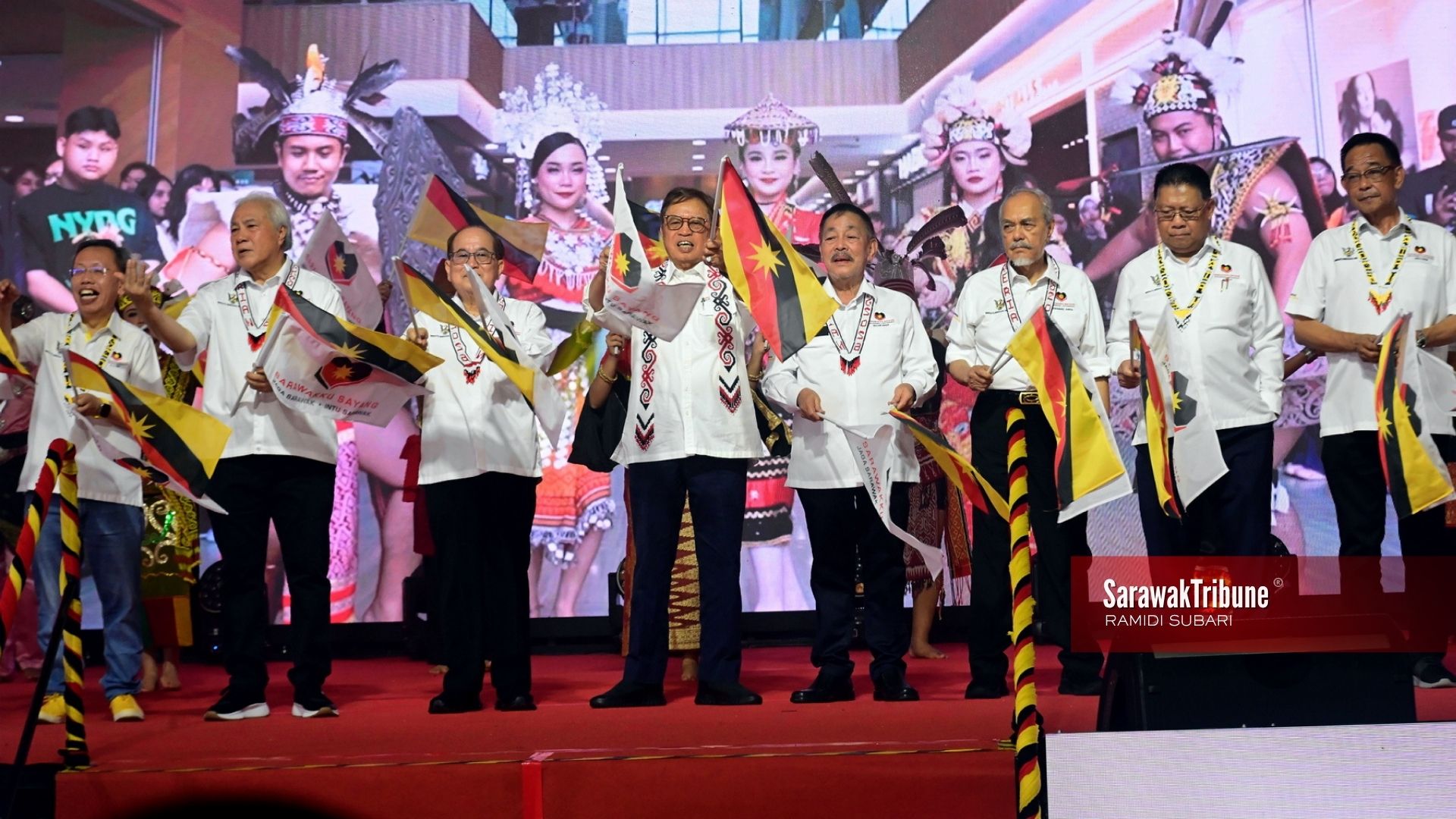
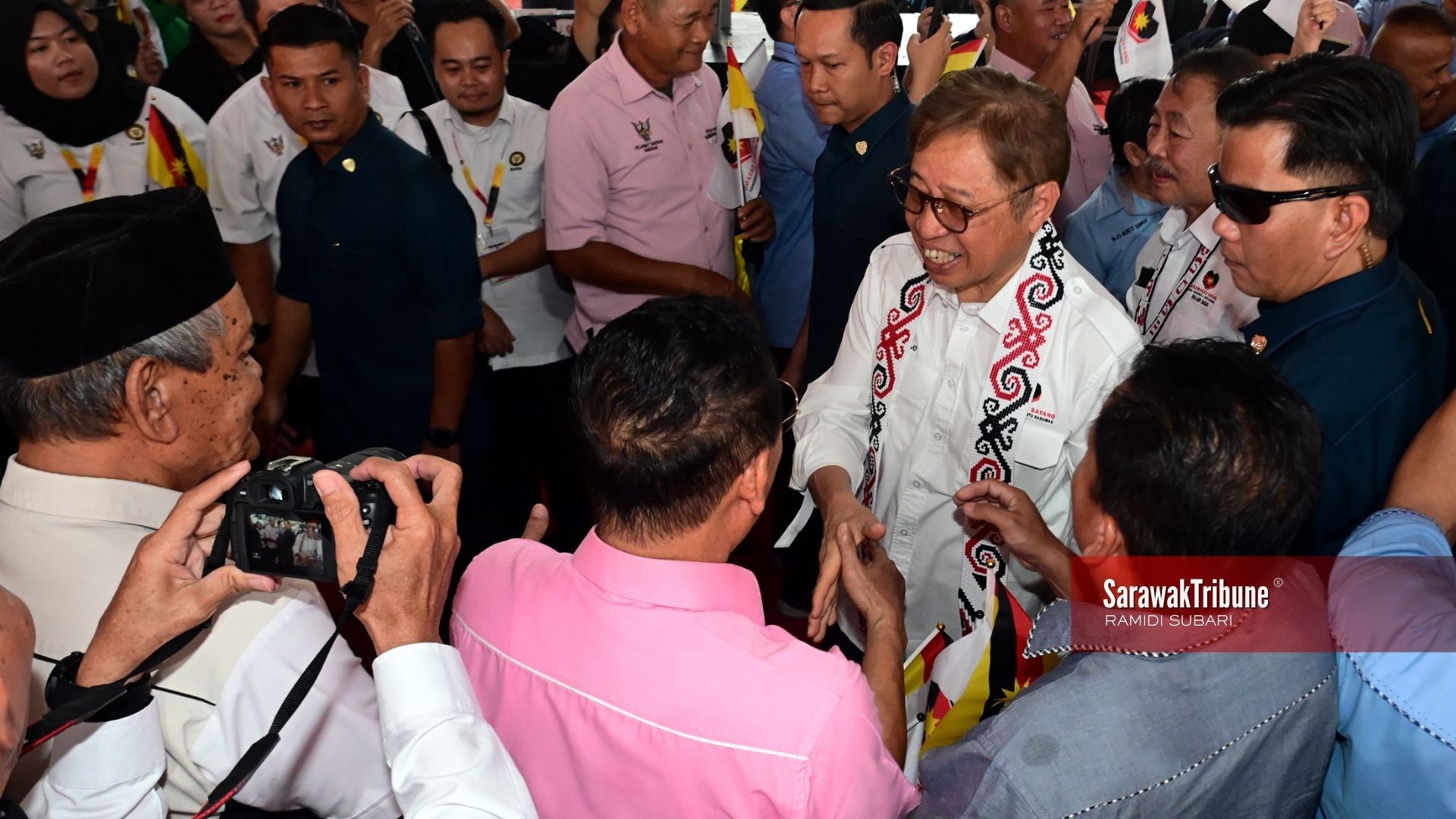
He said this during the launching of GPS Election Machinery for the 13th Sarawak general election (SGE13) at Borneo Convention Centre Kuching (BCCK) today.
Abang Johari said the Sarawak Government pursued the transfer because the port generated substantial revenue and the state went through the legal process to change its status from a federal port to a state port.
The federal and Sarawak governments signed the RM1.8-billion takeover agreement on June 21 thus making Bintulu Port officially a state port on September 1.
He cited the takeover as part of GPS’ record since the coalition secured its mandate in the 2021 state election, saying the state government had worked quietly to bring the port under Sarawak’s control.
“We did not promise this in our manifesto, we quietly took over Bintulu Port. Quietly, we became the owner of Bintulu Port,” he said.
Abang Johari traced GPS’ approach to the years when Sarawak’s parties were still part of Barisan Nasional (BN).
He said it was difficult to advance some of Sarawak’s priorities because decisions in the larger coalition required consensus.
He said GPS went on to pursue Sarawak’s rights under the Malaysia Agreement 1963 (MA63) and implement the State Sales Tax (SST), which gave the state an additional source of revenue.
He also cited the Sarawak Sovereign Wealth Fund as an initiative delivered during the term even though it had not been promised in the coalition’s manifesto.
“What we wanted to do was held back because, under BN’s principles, there had to be consensus. The sovereign wealth fund was not promised in the manifesto, but we established it for the future of Sarawak’s children,” he said.