KUCHING: The Sarawak government is committed to ensuring that the state’s development agenda brings shared prosperity to all communities, regardless of race, location, or social background.
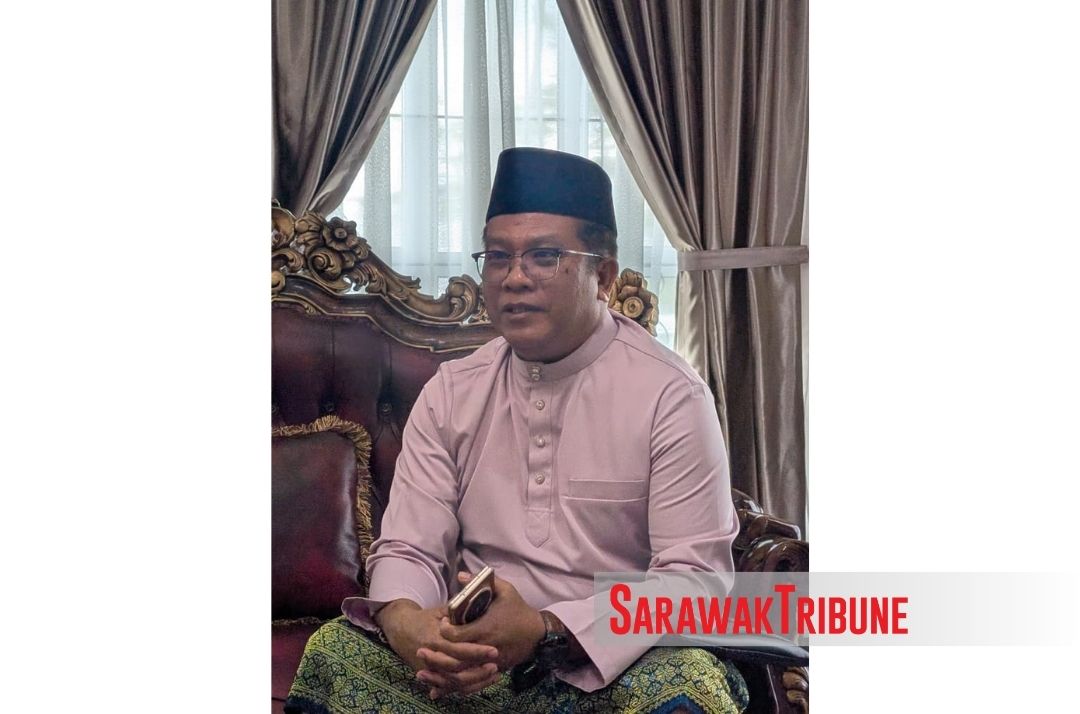
Minister of Tourism, Creative Industry, and Performing Arts, Datuk Seri Abdul Karim Rahman Hamzah, emphasised that the state is not solely focused on urban development, but is equally committed to ensuring that rural communities also benefit.
Citing the Penan community as an example, Abdul Karim said their inclusion in the state’s development programs is a clear testament to how these efforts are reaching even the most remote areas.
“Sarawak is home to 34 ethnic groups, and some, like the Penan, still live semi-nomadic lives. We are working to help them transition out of the forests,” he said during his speech at Malam Aspirasi Warisan 2025 (Heritage Aspirations Night 2025), held in conjunction with the 20th International Translation Conference at the Dewan Bahasa dan Pustaka (DBP) Sarawak branch on Tuesday (Aug 19).
Abdul Karim said Sarawak is now relatively prosperous, and the government believes every citizen, including the semi-nomadic Penan, should share in this progress.
Despite concerns raised by some environmental groups, he emphasised that prosperity must ultimately be enjoyed by the people.
He noted that several Penan settlements have been established through state initiatives, with many Penan students pursuing higher education and some achieving success as entrepreneurs and divisional chiefs.
“This is the kind of effort that must continue because everyone deserves to benefit,” he said.
Abdul Karim also highlighted the importance of an inclusive approach to development, stressing that Sarawak’s rich cultural and ethnic diversity must be protected and celebrated as the state progresses.
He cautioned that foreign cultural influences are spreading rapidly among the younger generation and urged youth to take an active role in safeguarding traditional arts, language, customs, and culture.
“With strong awareness and appreciation, cultural sustainability can be preserved, even as our nation continues to progress,” he said.