IDECS 2025: As the world pivots toward sustainability and digitalisation, women innovators are redefining progress — merging technology, climate action, and inclusion to build a greener, fairer, and more resilient future.
From Sustainability to Inclusion
As the world races toward a low-carbon, digitally powered future, women leaders are at the forefront of creating solutions that bridge sustainability, technology, and inclusion. From AI-enabled climate models to circular economy platforms and green innovation startups, women founders and executives are proving that scaling impact is as much about community as it is about commerce.
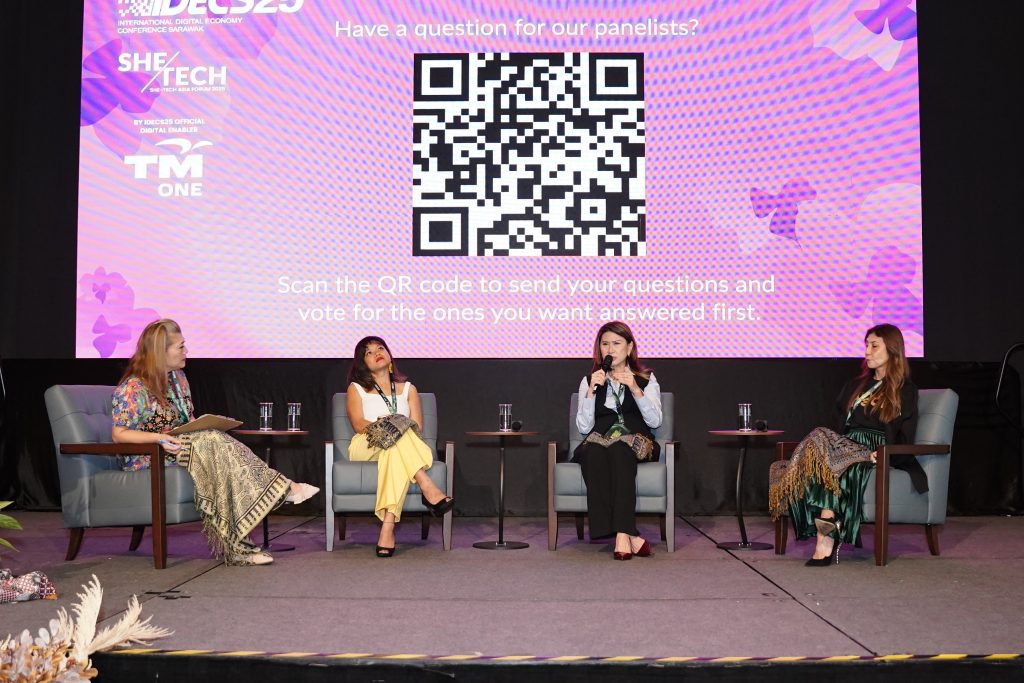
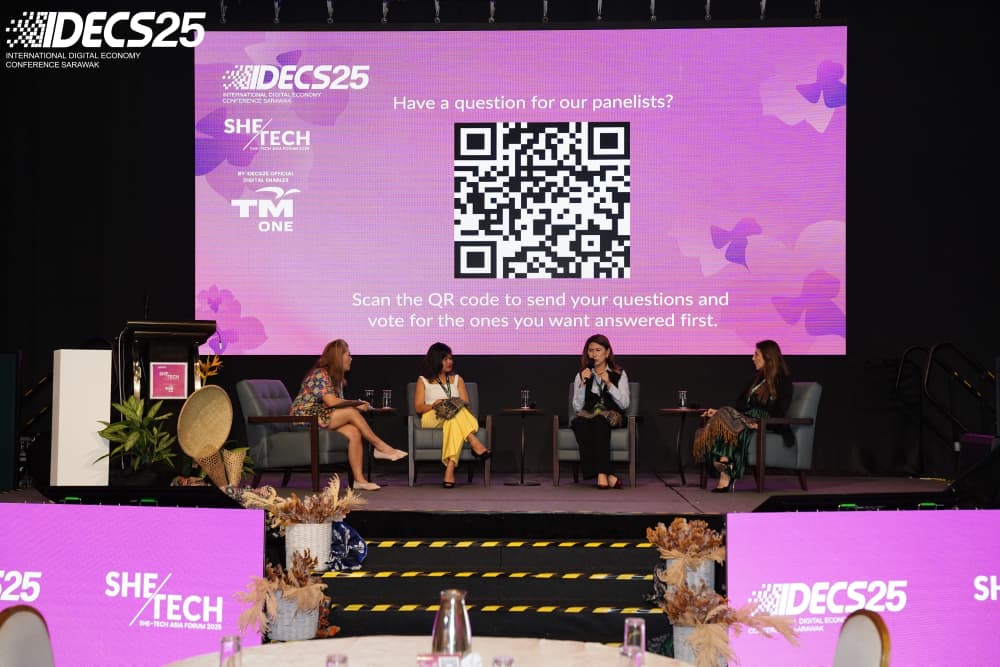
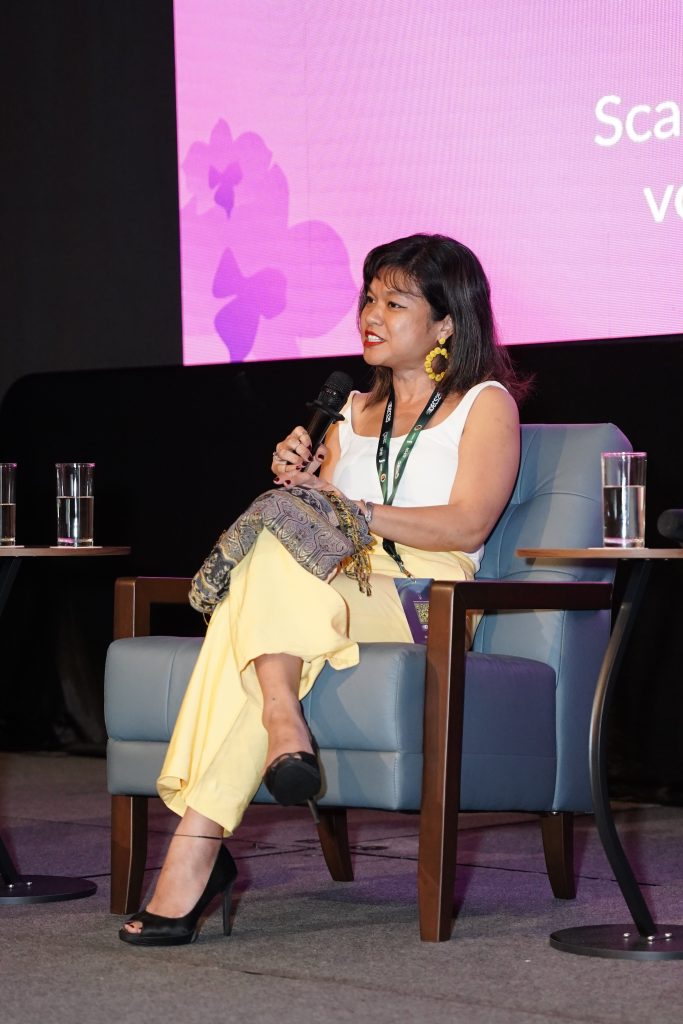
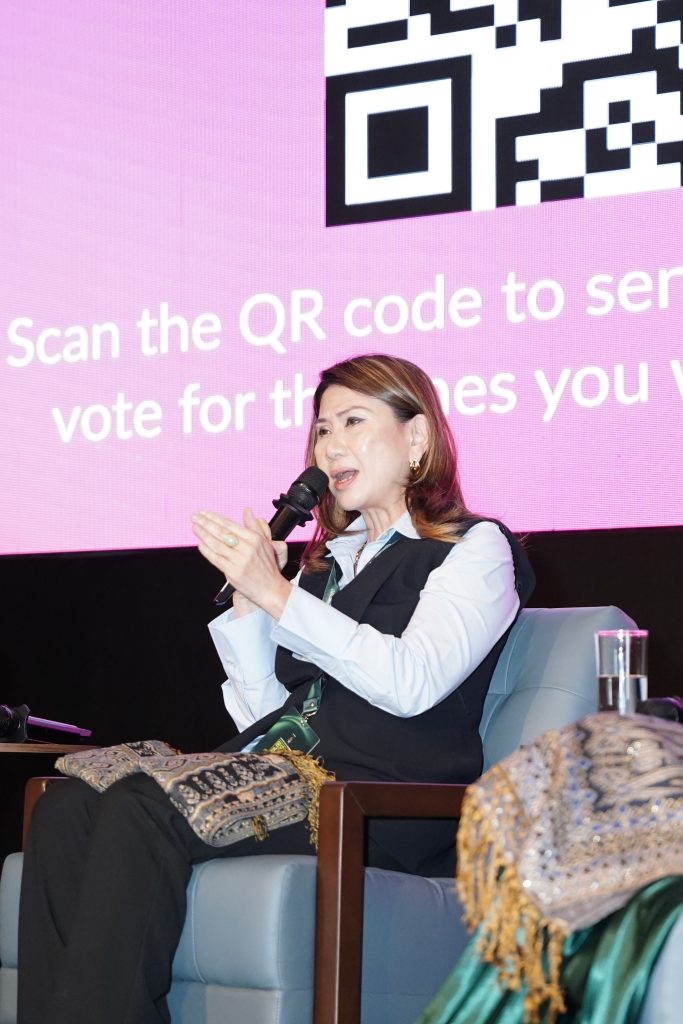
These powerful women gathered at the recent International Digital Economy Conference Sarawak (IDECS), held at the Borneo Convention Centre Kuching (BCCK). All of them are leaders of calibre who have made extensive contributions to the green digital economy — including Complete Human Network Sdn Bhd founder and CEO, Teh Chai Peng; Nusanterra director, Khairun Nisa Mohamed Zabidi; and Women in Tech Global Movement APAC director, Yuki Aizawa. They graced the IDECS stage to discuss how they build investable ventures, champion ESG commitments, and design inclusive ecosystems.
In a panel session titled “She-Tech in the Green Digital Economy”, the discussion examined the practical levers — policy support, financing access, digital infrastructure, and cross-sector partnerships — needed to accelerate women-led innovations that deliver both environmental resilience and economic growth.
The Circular Future: Turning Devices into Purpose
For Teh, sustainability isn’t an afterthought or an ESG checkbox — it is the business model. “When companies talk about digitalisation, they often overlook what happens after. Old devices pile up, data security becomes a risk, and e-waste grows. We wanted to solve that.”
Her company, Complete Human Network, offers device-as-a-service solutions to help organisations lease rather than buy tech equipment. This approach not only reduces e-waste but also alleviates the heavy capital expenditure that comes with rapid digitalisation.
With the help of AI, her company tracks, maintains, and repurposes devices across multiple lifecycles — from large corporations to SMEs, and finally to students.
“If maintained well, a single device can last up to nine years,” she explained. “That’s what a circular economy is all about — prolonging life, reducing waste, and creating access.”
Reclaiming Connection: Nature as Kin, Not Capital
Meanwhile, Nusanterra director Khairun Nisa brought a deeply reflective lens to the discussion — one rooted in years of work at the intersection of climate policy, finance, and natural ecosystems.
Having advised on Malaysia’s Green Economy Roadmap and Sarawak’s net-zero commitments, she now focuses on financing forest conservation and reframing how society perceives value.
“If we only assess ventures for financial returns, we’ll miss the forest for the trees — literally. We need investment lenses that value wholeness, not just growth,” she said, adding that ecosystems should be seen as partners rather than commodities.
“Before extractive systems took over, our ancestors viewed nature as kin, not capital,” she reflected. “It’s time to remember that relationship — to move from talking to coexisting.”
Her perspective challenged the audience to rethink the very foundations of progress: that sustainability isn’t about domination or profit, but reciprocity.
Empowering Women, Powering Change
For Yuki, who leads the Women in Tech Global Movement across the Asia-Pacific region, inclusion is the heartbeat of innovation. Operating in 62 countries, the organisation’s bold mission is to empower five million girls and women in STEM and STEAM fields by 2030.
Through mentoring, community-building, and access to funding, the organisation aims to democratise technology for women at every level — from grassroots initiatives to boardrooms.
“We’re not just talking about customers,” Yuki said. “We’re talking about communities — connecting the dots for a sustainable, inclusive future.”
The organisation also uses AI to match mentors and mentees globally — allowing a founder in Malaysia to receive guidance from a mentor in Argentina or Japan.
“Founders can’t always talk to their teams about their struggles. They need a safe space, and mentoring provides that.”
From building confidence to building networks, Women in Tech’s work reflects a simple truth — when women rise, the entire ecosystem benefits.
Closing the Gap for Women in Tech
As the discussion drew to a close, Teh offered a reminder that resonated with the room: sustainability and entrepreneurship are not for the faint-hearted.
“Whether you’re a man or a woman, entrepreneurship is hard. If you’re not doing something you truly believe in, it won’t last. You’ll give up after a year.”
To her, the secret to success often lies in finding the ‘why’ that gets you out of bed even when the world feels impossible. “For me, it’s knowing that what we do helps reduce emissions, extend lifecycles, and create impact. That’s what keeps me going.”
In an age where innovation is often measured by speed and scalability, these women reminded us that meaning matters just as much. The future of technology, they said, isn’t just about faster AI or greener gadgets — it’s about better relationships: between people, planet, and progress.
And in Sarawak’s journey toward a sustainable, digital economy, these voices prove that the most transformative innovations don’t just change industries — they change mindsets.