SIBU: Sibu Hospital has been urged to reconsider its decision to fully implement a cashless transaction system at all payment counters.
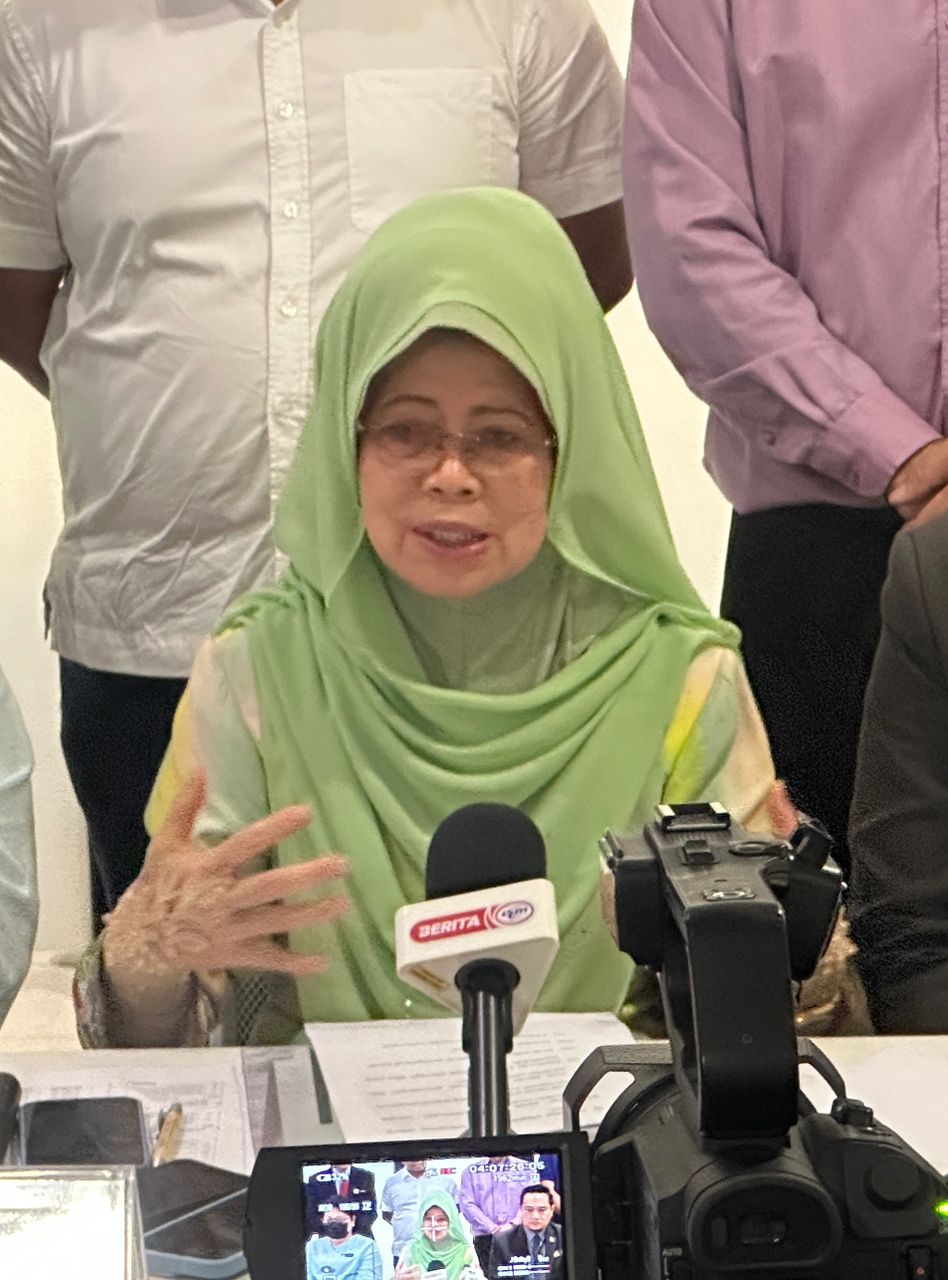
While this initiative may align with broader digitalisation efforts, former Bukit Assek assemblywoman Irene Chang felt the hospital’s board of management must consider and take into account the potential negative implications such a move may have on the Central Sarawak community.
“Sibu Hospital serves the whole central region of Sarawak and a significant portion of its patient population includes the rural residents, senior citizens and lower-income groups.
“These individuals may not own debit or credit cards and many of them live on day-to-day basis and heavily rely on cash for daily transactions.
“This cashless policy risks alienating those who are already disadvantaged, including but not limited to the stateless community (who do not even have the necessary documentation to set up bank accounts, let alone own debit/credit cards), or individuals whose accounts are frozen for reasons such as legal/bankruptcy proceedings.
“In the event of a medical emergency, these people would not be able to have immediate access to healthcare, but would instead require to seek out relatives or friends to make payment on their behalf via debit or credit cards.
“Would the hospital withhold treatment and turn away those individuals who are unable to make payment by debit or credit cards for genuine/valid reasons?,” she stated today.
Chang, who is the state Democratic Action Party (DAP) Political Education Bureau director, explained that the cashless systems are also heavily dependent on electricity or internet connectivity.
In the event of power outage or system failure, she reasoned that patients or visitors may face disruptions in making payments for critical healthcare services.
Such reliance on technology, she said could lead to avoidable delays and frustrations during emergencies.
“While I understand the intent behind the cashless initiative, I strongly urge Sibu Hospital to reconsider the implementation of this policy.
“I believe a significant portion of our population is not ready to embrace a full cashless system and such a step should not be implemented hastily in such a critical public service.
“A hybrid system, accommodating both cash and card payments, would better serve the diverse needs of the community.
“Inclusivity and accessibility should remain the cornerstone of public healthcare services,” stressed Chang, who is a lawyer by profession.