KOTA SAMARAHAN: Recurrent haze episodes should be viewed as a test of Sarawak’s economic resilience and a catalyst to accelerate its transition towards a green economy.
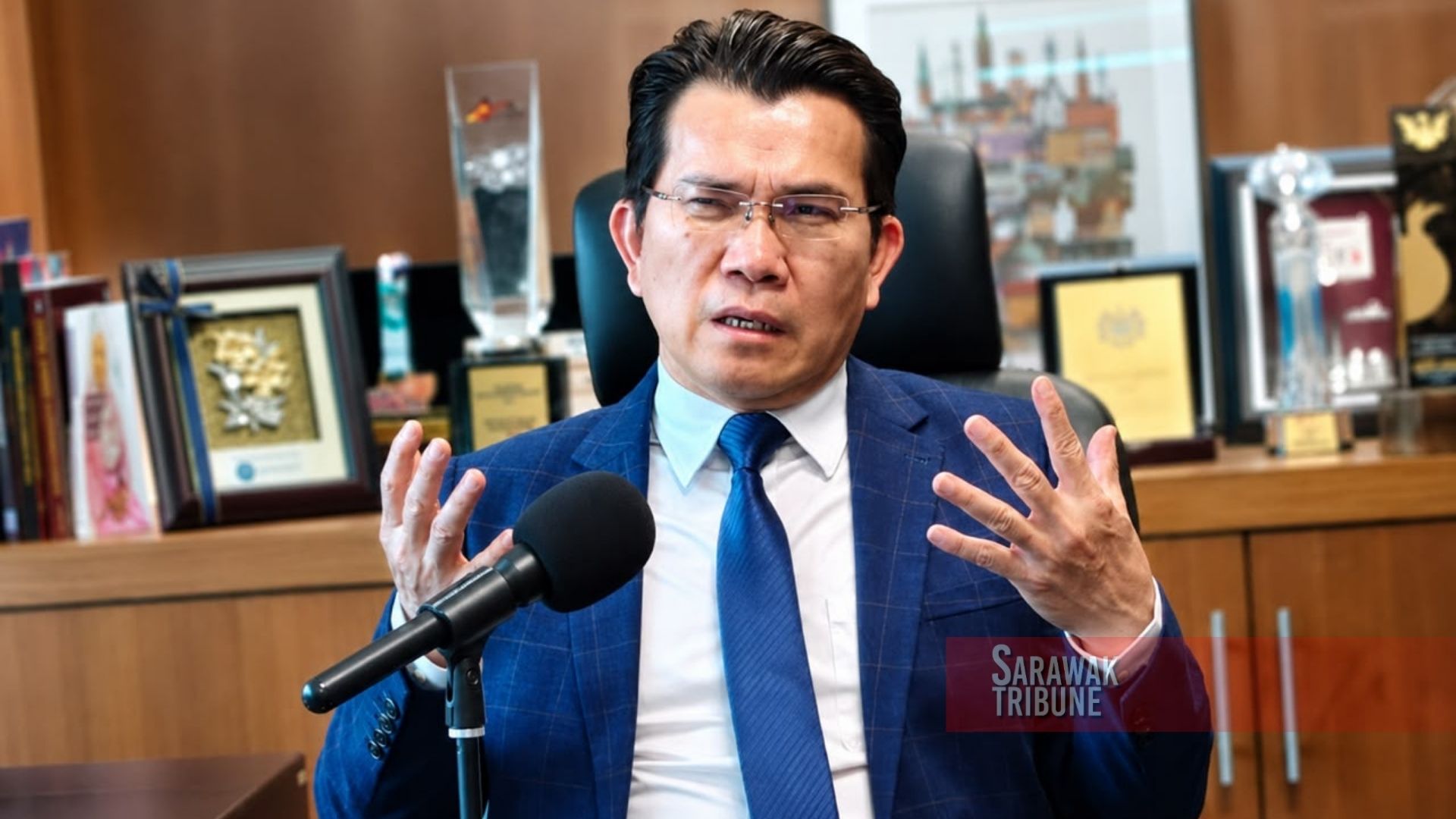
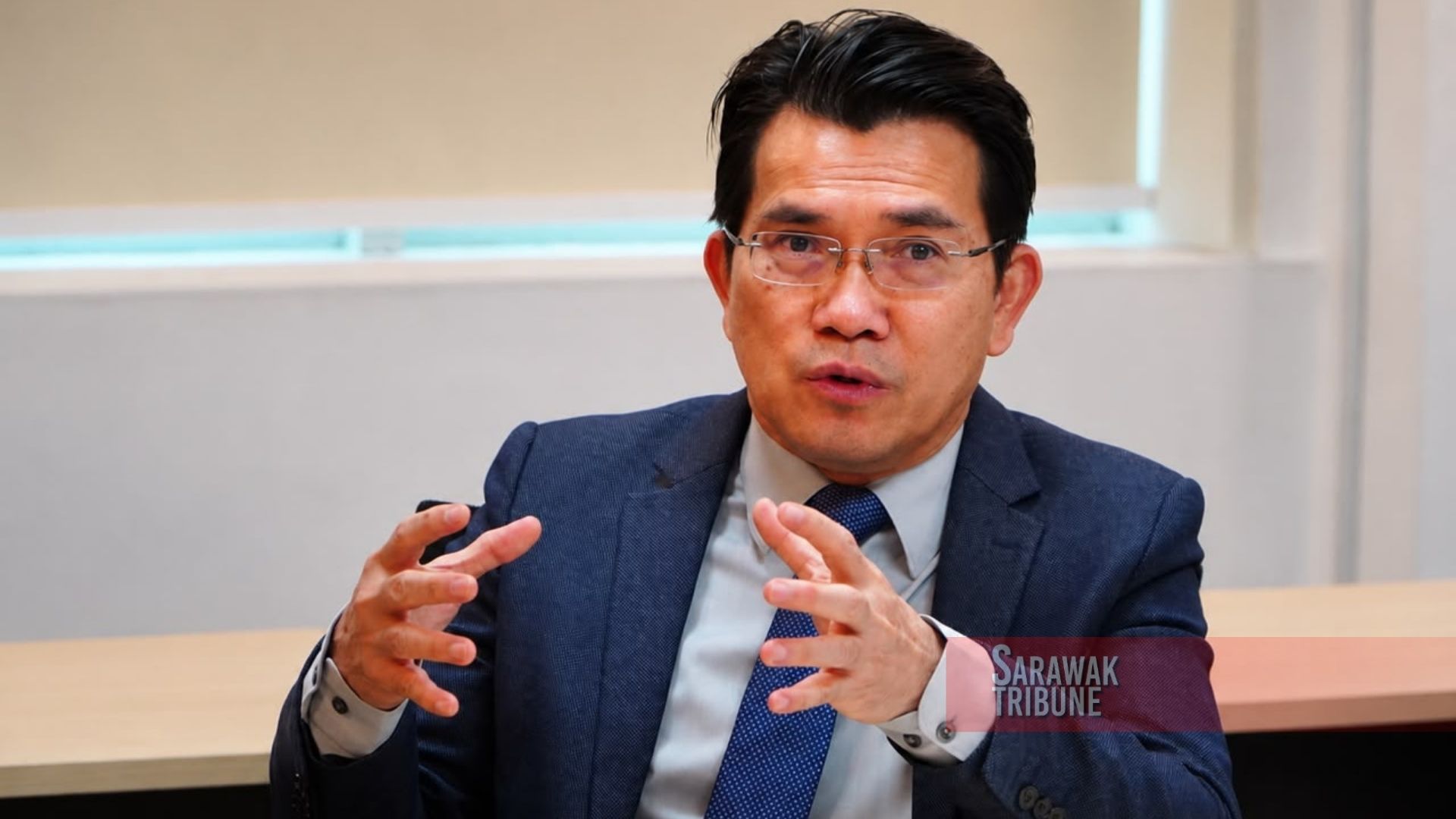
Universiti Teknologi MARA (UiTM) Sarawak rector Professor Dr Firdaus Abdullah said a resilient economy was not one free from disruptions, but one capable of preparing, adapting and recovering quickly when faced with a crisis.
“Haze can be seen as a small but important test of our economic resilience. It tests how prepared we are to protect workers, adapt operations and ensure economic activities can continue amid uncertainty,” he said in an interview with Sarawak Tribune.
Dr Firdaus said Sarawak needed to take a long-term view of environmental issues, as recurring haze could affect productivity, business operations and incomes.
He said long-term strategies should not rely solely on actions taken during a crisis, but must also encompass prevention, monitoring, technology and economic transformation.
“If we can plan earlier, protect workers, adapt operations, use technology and at the same time continue the transition towards a green economy, we are not merely addressing haze.
“We are building the foundation for a Sarawak economy that is better prepared for various environmental risks in the future,” he said.
Dr Firdaus said the transition towards a green and sustainable economy should continue as part of efforts to build an economy less vulnerable to environmental risks and extreme weather events.
Investment in renewable energy, including hydropower and green hydrogen, could also create opportunities for new jobs, technologies and industries, he added.
“Green transition is not solely about reducing environmental impact. It is also about how we use that change to build a stronger and more resilient economy,” he said.
He said Sarawak’s renewable energy resources provided an advantage that could be harnessed to develop the expertise, technology and workforce needed to support the green economy.
At the same time, environmental monitoring technologies should be strengthened to allow risks to be detected before they escalate into crises.
“Technologies such as forest monitoring, satellite applications, hotspot detection and environmental monitoring systems need to be enhanced.
“Technology allows us to move from merely reacting after fires occur to identifying risks earlier,” he said.
Dr Firdaus also stressed the need for closer cooperation with neighbouring countries, saying transboundary haze required faster information-sharing, hotspot monitoring and coordinated efforts to prevent open burning and manage forest and peatland fires.
“Long-term solutions still require prevention, monitoring and regional cooperation. We need to move away from merely responding when haze has already occurred and towards reducing risks before the situation becomes more serious,” he said.