KUCHING: Sarawak is leveraging its indigenous resources to develop sipudun-based natural anthelmintics (antiparasitic drugs) for livestock.
This will be done via a strategic collaboration between the Sarawak Biodiversity Council (SBC) and the Sarawak Department of Veterinary Services (DVS).
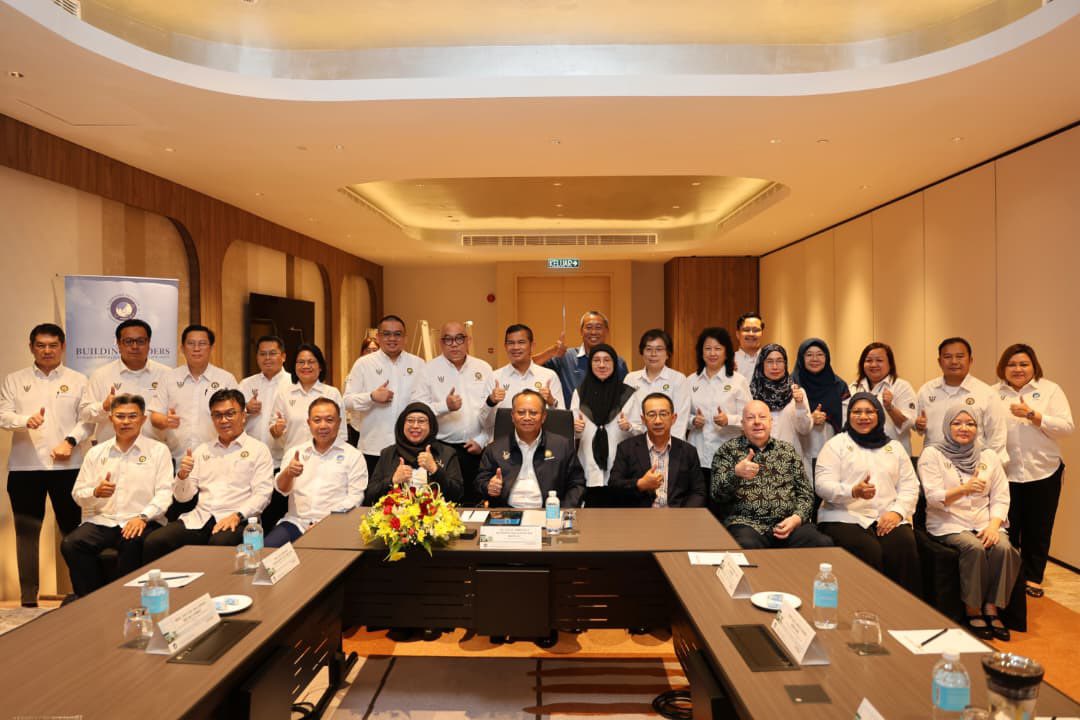
The collaboration was formalised today with the signing of a Memorandum of Understanding (MoU) on the Collaborative Development of Natural Anthelmintic Products for Livestock.
The initiative focuses on research, development and eventual commercialisation of sipudun (Picria fel-terrae), a native plant traditionally recognised by the Bidayuh community to treat parasitic infections in livestock.
Education, Innovation and Talent Development Minister, Datuk Seri Roland Sagah Wee Inn, said this could be implemented with the SBC acting as the research hub, while the Ministry of Food Industry, Commodities and Regional Development (M-FICORD) serves as the field implementation model.
“This initiative aligns with Sarawak’s aspiration to reduce dependence on imported synthetic drugs and to develop innovation based on our own natural resources.
“In addition, parasites are increasingly resistant to synthetic drugs in major livestock-producing countries such as Australia and New Zealand.
“If we succeed in producing this product from sipudun, Sarawak has the potential to penetrate international markets. SBC will be the centre, while M-FICORD will serve as the field implementation model,” he said.

He said this at the press conference after witnessing the exchange of the MoU at the State Legislative Assembly (DUN) building here.
The MoU was exchanged between the Permanent Secretary to the Ministry of Education, Innovation and Talent Development and SBC Deputy Chairman, Datuk Adana Jed, and DVS Director, Datuk Dr Adrian Susin Ambud, in a ceremony witnessed by Sagah and M-FICORD Minister, Datuk Seri Dr Stephen Rundi Utom.
Sagah said sipudun, documented by SBC under the Traditional Knowledge Documentation Programme, has been traditionally used by the Bidayuh community to treat high blood pressure and as a deworming agent.
Early research by SBC confirmed the plant’s effectiveness as a deworming agent for small livestock.
“Communities in Kampung Semedang, Kampung Sumuti and Kampung Timurang now supply raw materials to SBC through a benefit-sharing model,” he said.
Under the MoU, SBC will conduct advanced laboratory studies, including formulation, stability testing, and preparation of regulatory documentation, while DVS will carry out field trials, veterinary assessments, and efficacy studies at livestock sites.
Sagah added that the plant was previously considered a weed and discarded due to its bitter taste, but it has now proven to have commercial value.
Regarding its protection status, he clarified that sipudun has not yet been gazetted as a protected plant.
“If studies show high returns and increasing demand, only then will we consider specific policies to protect it,” he added.
Meanwhile, Dr Rundi said Sarawak is rich in biodiversity, which needs to be systematically harnessed.
“We cannot rely on medicinal values from outside. Many potential plants are in Sarawak. Our responsibility is to develop, patent, and commercialise them,” he said.
He added that Sipudun is only found in Southeast Asia and is important as an anti-parasitic agent to enhance livestock productivity.