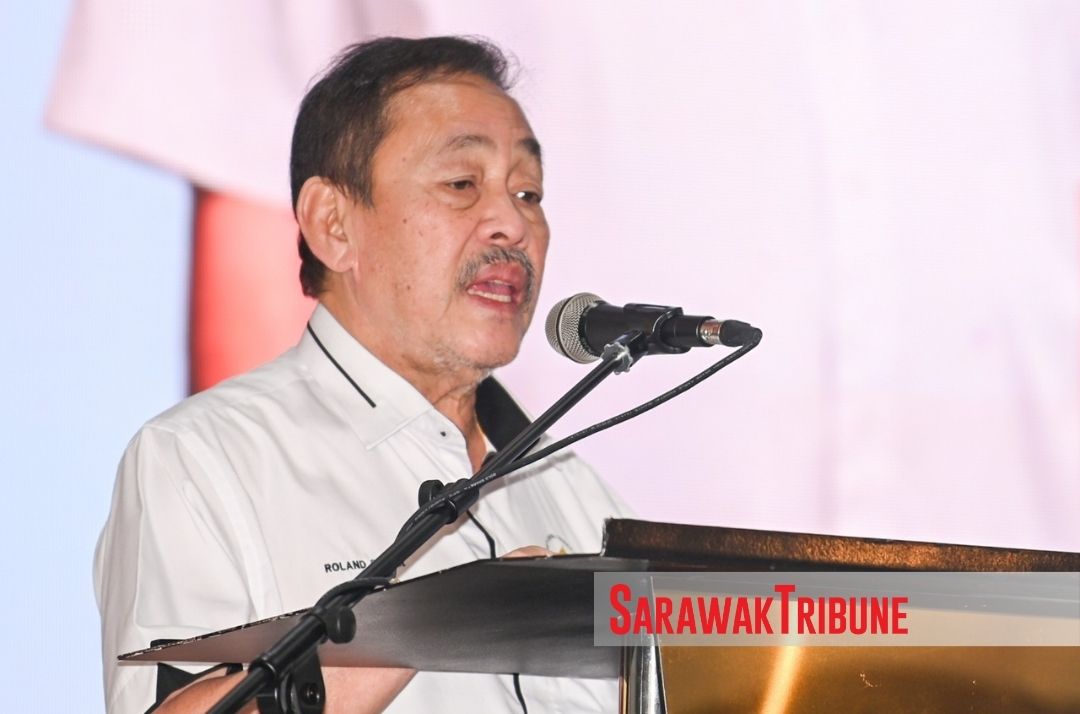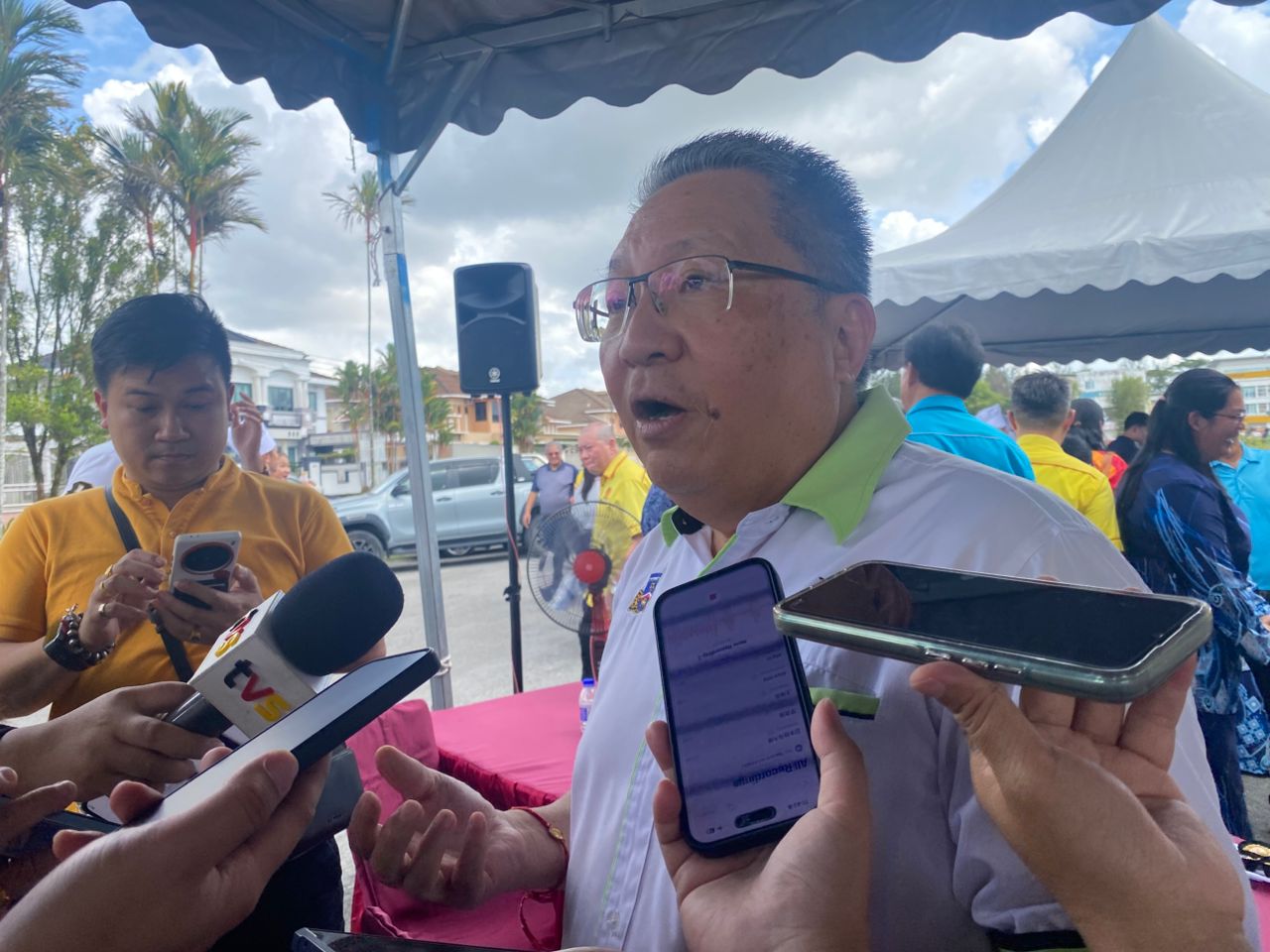
KUCHING: After prioritising basic infrastructure, the Greater Kuching Coordinated Development Agency (GKCDA) wants to turn its focus towards socio-economic development to ensure rural communities enjoy long-term and inclusive growth.
Its special administrative officer, Datuk Ik Pahon Joyik said while roads, bridges and water supply remain important foundations, the next critical phase of development must centre on the people – their livelihoods, income opportunities and overall quality of life.
He explained that infrastructure is the backbone of development, but it should not be the final destination.
“Once basic facilities are in place, we must move to the socio-economic aspect so that rural communities can truly progress,” he told Sarawak Tribune.
According to Ik, many rural areas under GKCDA’s jurisdiction are going to benefit significantly from infrastructure projects, including improved road connectivity and utilities, that will start to be implemented this year.
These developments are expected to reduce isolation, improve access to services and open up economic corridors.
However, without parallel efforts to uplift income levels and economic participation, the impact of infrastructure alone would be limited.
Ik stressed that socio-economic development is vital in rural areas because it directly addresses issues such as poverty, unemployment and rural-urban migration.
“If there are no sustainable economic activities in villages, young people will continue to move to towns and cities. This will weaken rural communities in the long run,” he said.
The socio-economic initiatives could include skills training, support for agriculture, land development and agro-based industries and community-based tourism.
“Who knows, those who have land can either join venture or do commercial farming by themselves. We will give them the funding to start up with their land development like doing earth work, clearing and buy all the agriculture inputs.
“We will also help those who are interested to venture in community-based tourism. Some of the elected assemblymen had identified the interesting places that have the potential to be developed into tourist attractions, where the locals will be directly involved in the operations,” he said.
These kind of initiatives would enable rural residents to fully utilise existing infrastructure to generate income.
“For example, good roads allow farmers to transport produce faster, but without market access, training or value-added activities, they will not maximise the benefits,” Ik added.
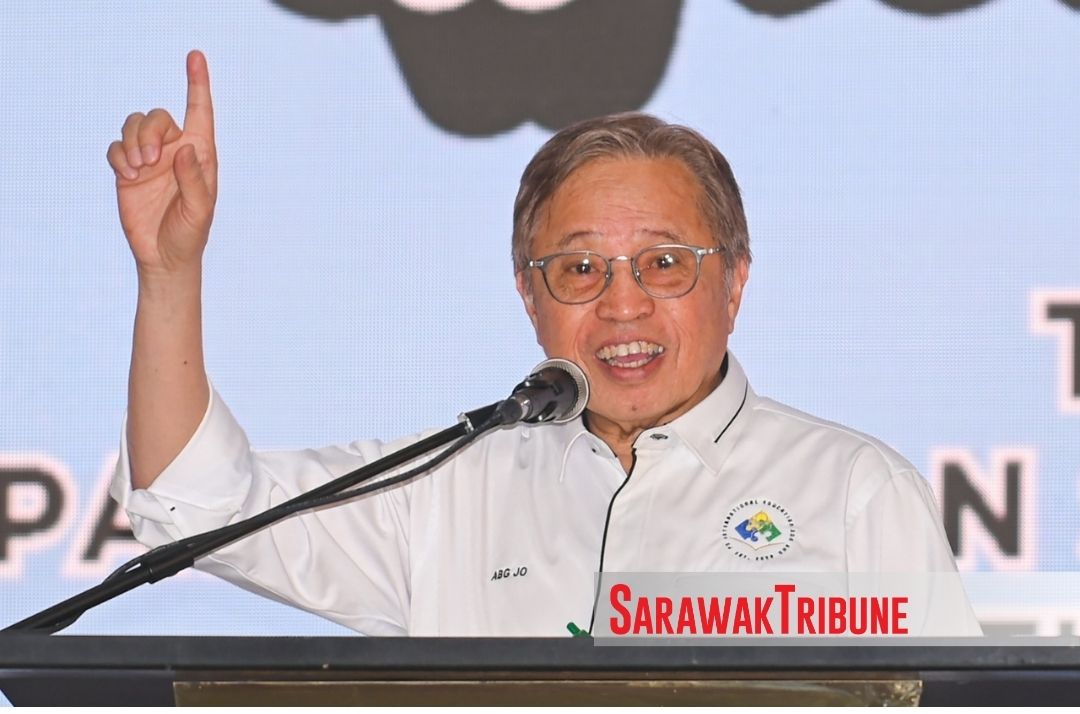
He said the elected representatives and GKCDA had all agreed that empowering rural communities economically would also help create a more balanced development between urban and rural areas, in line with the state government’s aspiration under the leadership of Premier Datuk Patinggi Tan Sri Abang Johari Tun Openg, to ensure no region is left behind.
“So after infrastructure development, the next phase is going to be an income generating phase. Now is to provide the infra.
“So there is no more excuse, ‘I cannot go to my land because there is no road’. The road had been constructed. Why you don’t develop your land?
“To those who can’t develop their land by themselves, they can look for people to develop it through joint venture,” Ik reiterated.
“Hopefully by then, all the Native Customary Right (NCR) land in the ‘kampong’ have been surveyed or at least being documented by DBNA.”
The shift, he noted, marks a more mature phase of development planning for GKCDA, focusing not just on physical progress but on sustainable human development in rural Sarawak.