Part 3
SPEECH and language development is a critical milestone in every child’s life, influencing their ability to communicate, socialise, and engage with the world around them. However, delays in speech and language acquisition are not uncommon.
When a child shows signs of delayed communication skills, it can be a source of concern for parents and caregivers. Understanding the causes, recognising early warning signs, and knowing how to address these delays can help provide children with the support they need to thrive.
Common causes of speech and language delays
The causes of speech and language delays in children are often multifactorial. These delays can arise from neurological factors, environmental influences, or a combination of both.
According to an occupational therapist at Redwood Therapy Center, Khor Wai On, the most common causes of speech delays are rooted in neurological and environmental factors.
“Depending on how the child’s brain is wired or whether speech and language are being facilitated in their environment, delays can be more prominent,” Khor told Sarawak Tribune recently.
He explained that neurological factors can be directly linked to specific diagnoses such as Autism Spectrum Disorder (ASD), sensory processing challenges, or motor coordination issues.

“For instance, children with autism may experience speech delays due to challenges in processing social cues and interacting with others,” he said.
Since the brain struggles to understand social dynamics, he said these children often face difficulties in initiating or maintaining conversations.
“The lack of social engagement can delay language development, and they may rely on non-verbal cues or gestures to communicate their needs,” he said.
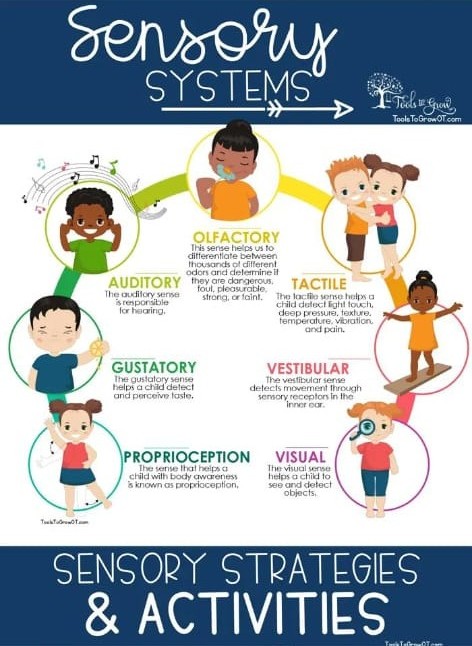
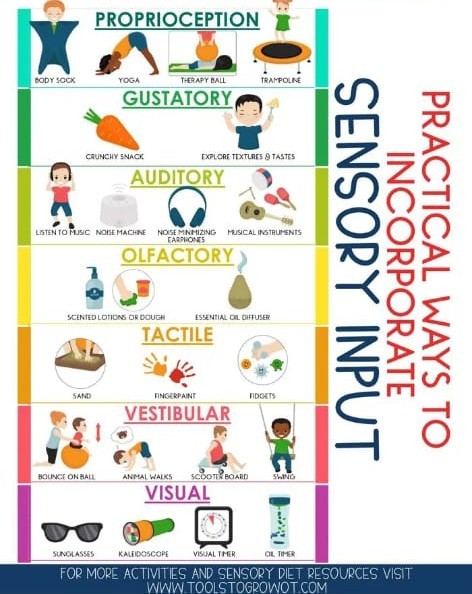
Sensory processing issues , he said, can also contribute to delayed speech.
“When a child’s brain struggles to integrate sensory information from their environment, it may lead to feelings of insecurity or anxiety,” he said.
He added these children often withdraw from social interactions, which further hampers their communication development.
Rather than speaking, he said they might use avoidance behaviours or gestures to express themselves.
In some cases, he said children may have difficulty producing specific sounds due to motor coordination issues.
“The brain struggles to send the appropriate signals to the oral muscles, making it difficult for the child to form words.
“This can delay speech development, as the child may have trouble producing the sounds required for effective verbal communication,” he said.
He said in cases where a child experiences more than one of these challenges, such as autism combined with motor coordination and sensory processing issues, the delays may be more pronounced.
“These children may require alternative modes of communication and specialised therapy to support their development,” he said.
Early warning signs of speech delays
Early detection of speech delays is crucial for timely intervention. While developmental variations are normal, parents should be vigilant for signs that may indicate a delay in speech and language development.
Khor emphasised the importance of parents being proactive in observing their child’s communication patterns.
“Parents who have more than one child may be able to notice speech delays earlier, but first-time parents can also learn what to expect developmentally by consulting with paediatricians or speech therapists,” he said.
“Some early warning signs of speech delays include a lack of babbling by nine months, which is an important precursor to speech development. If a child is not making sounds or attempting to vocalise by this age, it may be a sign of a delay,” he said.
“Another concern is the absence of pointing or gesturing by 12 months. Gestures, such as pointing or waving, are early forms of communication, and a lack of these may indicate a communication delay.
“By 16 to 18 months, most children are expected to speak their first word. A delay in this milestone may be an early sign of speech delay. Additionally, at 24 months, children typically begin combining words into simple phrases. A lack of this progression may signal a delay in language development,” he said.
He said if any of these signs are observed, it is important to consult a paediatrician or speech therapist for a formal assessment.
Importance and effectiveness of early intervention
Early intervention is often the key to overcoming speech and language delays.
“Therapy is most effective when parents are actively involved in the intervention process, creating a supportive environment at home,” Khor explained.
“Early intervention aims to address speech and language delays as soon as they are identified, providing children with the tools and support they need to develop effective communication skills.
“The effectiveness of therapy depends on several factors, including the child’s specific needs, the type of intervention, and the level of parental involvement,” he said.
Khor highlights that the best outcomes are achieved when parents work closely with therapists to create a structured, supportive environment at home.
“It’s not just about the child receiving therapy but also about parents understanding their child’s needs and how they can best support their development,” he added.

Tailoring therapy to meet individual needs
Every child is unique, and therapy must be tailored to their individual needs. A one-size-fits-all approach is rarely effective, as children with speech delays may have a variety of underlying issues that need to be addressed.
For example, Khor finds that the D.I.R Floortime approach is particularly useful in addressing the individual needs of children with speech delays.
“This approach helps engage children in meaningful interactions, gradually building communication skills from non-verbal to verbal communication, “he said.
He said that the D.I.R Floortime approach focuses on understanding a child’s developmental capacities and emotional needs. By assessing where the child is developmentally, therapists can create personalised interventions that align with the child’s current capabilities.
“The key is to build a therapeutic relationship based on trust, which is crucial in helping children with speech delays feel safe and supported as they develop new skills,” he said.
Assessing speech delays in the context of other developmental Issues.
Speech delays can sometimes be linked to other developmental issues, such as autism, hearing impairments, or intellectual disabilities. Early assessment is critical in understanding the root causes of the delay.
Khor suggests that the first step in any evaluation should be a hearing test to rule out hearing impairments.
“If a child is not responding when called, it’s essential to rule out hearing loss before proceeding with further assessments,” Khor advises.
“Following the hearing test, a more comprehensive evaluation should assess the child’s sensory profile, motor development, and engagement capacity.
“If no delays are observed in these areas, the speech delay may be attributed to environmental factors. However, if developmental milestones are delayed across several domains, the speech delay may be linked to a broader developmental issue, such as autism,” he said.
Role of collaboration between professionals
Addressing speech and language delays often requires a team approach.
Collaboration between speech therapists, psychologists, educators, and paediatricians is essential for providing comprehensive support to the child.
Khor underscores the importance of interdisciplinary teamwork, especially when dealing with complex cases where a child may have multiple challenges.
“Each discipline brings a unique perspective and expertise to the table,” Khor explains.
In one case, Khor worked closely with a child diagnosed with autism, speech delays, motor coordination issues, and sensory processing challenges.
By collaborating with teachers, special education professionals, and a paediatrician, he was able to tailor a personalised therapy plan that addressed the child’s specific needs. This holistic approach helped improve the child’s communication skills and overall well-being.
Supporting families in rural areas
Access to speech therapy services can be limited in rural areas, making it challenging for families to obtain the support they need.
Khor encourages parents in these areas to take advantage of available resources, such as government clinics and online platforms.
“Even in rural areas, parents can access basic support through local clinics, and online tools can provide guidance for managing speech delays,” he suggests.
In addition, Khor recommends reaching out to private therapists for advice, even if direct therapy is not available.
Many therapists are willing to offer guidance over the phone or through online consultations, ensuring that families have access to the support they need.
Parental involvement in the therapy process
Parental involvement is crucial for the success of speech therapy.
Khor emphasises that parents should actively engage in the therapy process and work alongside therapists to implement strategies at home.
“Parents need to understand that therapy is not just about the child receiving treatment in a clinic but also about how they can reinforce learning at home,” he explains.
He said parents can support their child’s speech development by recognising their child’s communication patterns and engaging with them using simple, everyday activities.
“For example, parents can incorporate play and daily routines into therapy, providing opportunities for their child to practice communication in a natural setting,”he said.
Advancements in speech therapy research
Khor added that recent advancements in speech therapy research have highlighted the importance of a holistic approach to treatment.
Instead of focusing solely on neurological factors, therapists now consider the social and emotional aspects of a child’s development.
“By addressing both the child’s communication challenges and their emotional needs, therapy can be more effective in promoting long-term success.
“Speech and language delays in children can be caused by a variety of factors, from neurological issues to environmental influences,” he said.
He stressed that early identification and intervention are crucial in helping children overcome these challenges and develop effective communication skills.
“By working closely with therapists, parents can create a supportive environment at home that fosters speech and language development.
“Collaboration between professionals and active parental involvement are key to ensuring the success of speech therapy.
“With the right support and interventions, children with speech delays can thrive and reach their full potential,” he said.