KUCHING: The Sarawak government remains committed to preserving up to six million hectares of forests across the state to ensure environmental sustainability.
Premier Datuk Patinggi Tan Sri Abang Johari Tun Openg said that, to date, Sarawak has gazetted 900,000 hectares of forests as permanent forest reserves, encompassing national parks and nature reserves.
He noted that Sarawak currently has 84 national parks, adding that the area surrounding Wisma Lestari at the Sarawak Forestry Corporation (SFC) headquarters in Kota Sentosa will also be gazetted as a nature reserve.
“This office not only houses SFC staff but also serves as a government initiative for the conservation of our national parks, wildlife, and nature reserves.
“It will also function as a research hub, and there is a forensic lab here.
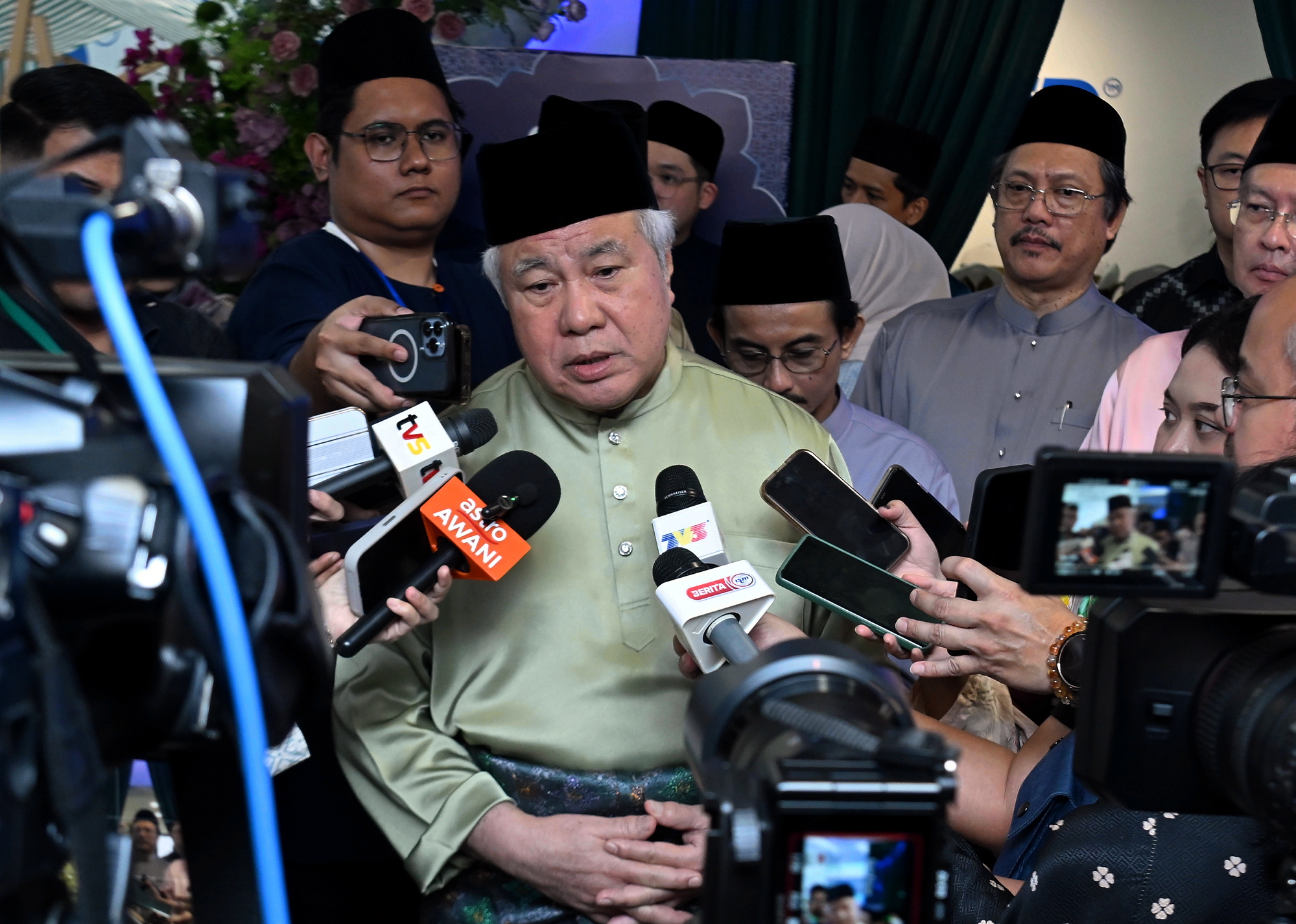
“This is part of the state’s sustainability approach to preserving the environment and natural habitats,” he told the media after officiating the opening of Wisma Lestari at Jalan Sungai Tapang, Kota Sentosa, today (Feb 18).

Earlier in his speech, Abang Johari said there is a need for extensive collaboration to enrich Sarawak’s natural resources sustainably.
Emphasising the state’s strong focus on sustainability, he expressed optimism that such efforts would add value to Sarawak’s protected areas.
He also noted that Kuching has been recognised as part of the national geopark, stressing the importance of safeguarding the state’s natural heritage, which serves as a key attraction for visitors.
“In this effort, we have discovered many new species. Among them are various types of frogs, including a species without eyes. This is a significant research finding.
“For all we know, this particular frog could be a unique species not found elsewhere in the world, making it an important attraction, especially for scientists. And this is part of our natural heritage,” he added.
He asserted that beyond frogs, Sarawak is also home to numerous species of orchids and other plants, some of which may have medicinal properties.
Additionally, the state is exploring the production of algae as a key ingredient for Sustainable Aviation Fuel (SAF), reinforcing its commitment to green innovation and sustainability.