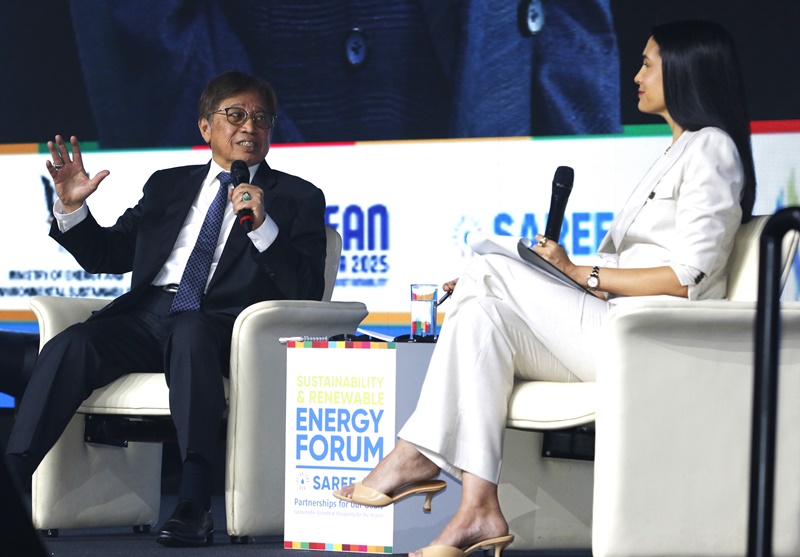
KUCHING: Sarawak is looking beyond its borders to channel surplus energy to neighbouring regions, said Premier Datuk Patinggi Tan Sri Abang Johari Tun Openg.
He said the state is already exporting electricity to West Kalimantan and is exploring wider energy-sharing arrangements across Borneo and ultimately within ASEAN.
He also said that Sarawak’s abundant rivers and renewable resources give it a strong position to support regional energy security.
“What are you going to do with your surplus energy? You share. That’s why we share with West Kalimantan. Now we are looking into the possibility of sharing our energy with our neighbours in Borneo. And ultimately within ASEAN,” he said.
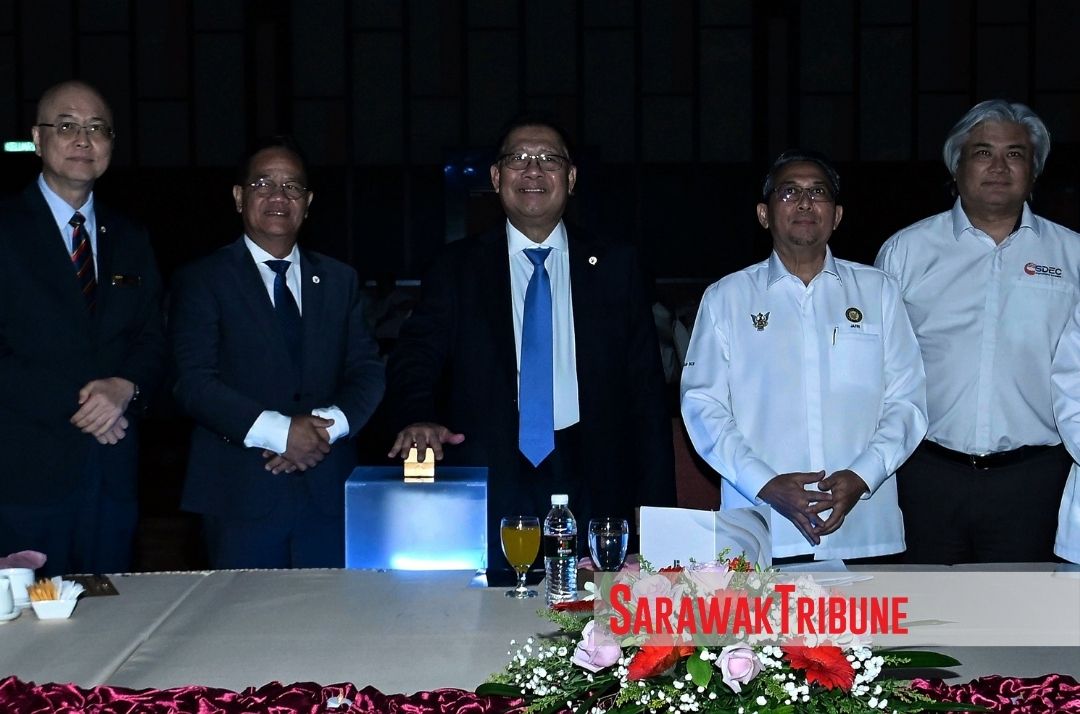
He said this in his keynote session during the officiating ceremony of Sustainability and Renewable Energy Forum (SAREF 4.0), powered by Sarawak Energy, at the Borneo Convention Centre Kuching (BCCK) here today (Sept 3).
Abang Johari highlighted that Sarawak Energy is investing in neighbouring companies to develop hydropower projects, including innovative methods beyond traditional dams, such as cascading dams and pump hydro storage systems that harness the natural power of rivers.
At the same time, he said Sarawak is embracing advanced technologies to strengthen its role as a renewable energy hub.
“We are doing research in Cardiff, United Kingdom. And at the same time, we are engaging with the US in terms of what we call fused energy. With the new technology available. And that will add to the supply of energy that we share with our neighbors,” he said.
The Premier also noted Sarawak’s bioenergy potential, describing it as part of the state’s circular economy.
He said palm oil waste, particularly empty fruit bunches, can be processed into biomass and biogas, which in turn can be converted into sustainable fuels for sectors such as aviation or compressed into energy pellets.
“Don’t waste the waste, but monetise the waste. That is the way for you to give value to your waste and that is the way for you to give value to your waste. And that is part of what we call a circular economy.
“And that will, you know, return to nature. And you produce a particular energy for economic growth,” he said.