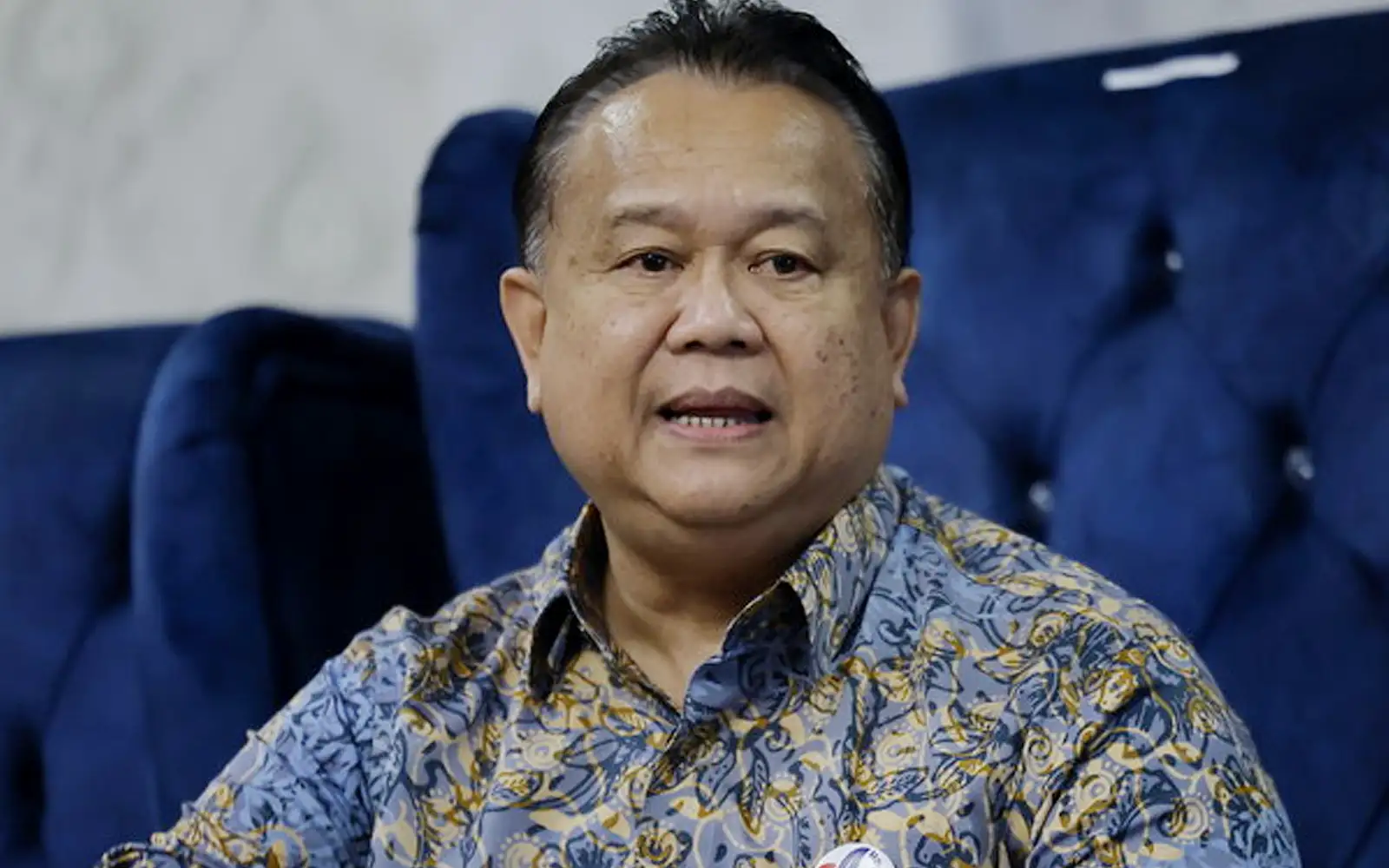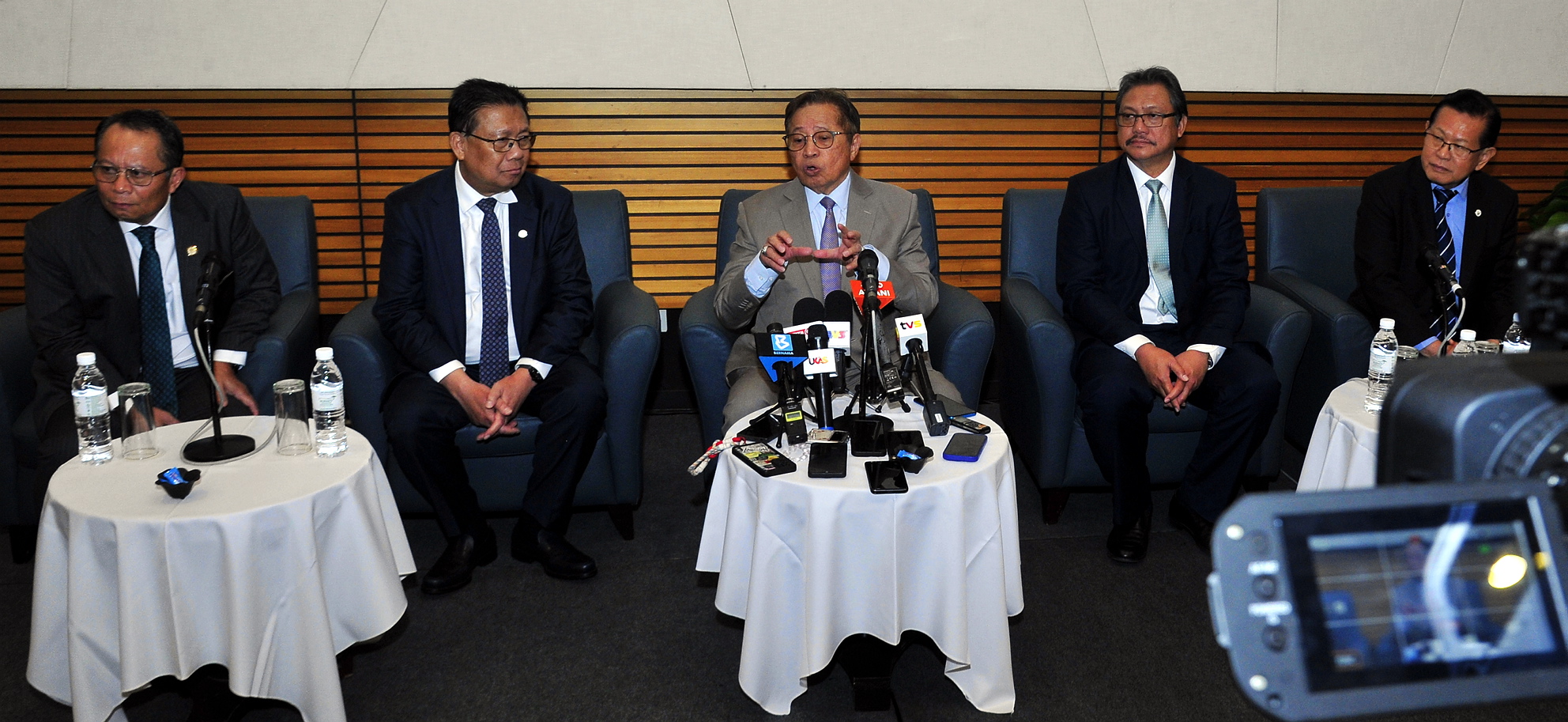
KUCHING: Sarawak is looking into the possibility of setting up an energy council, said Premier Datuk Patinggi Tan Sri Abang Johari Tun Openg.
The council would ensure all stakeholders and their respective business activities align with the state’s policies.
“We are looking into that. Part of the process is to engage with the private sector, so that both the public and private sectors can come together at one meeting point. After that, you formulate the policy. We will see what happens next year,” he said at a press conference after launching the Sarawak Energy Transition Policy (SET-P) at Borneo Convention Centre Kuching (BCCK) here today.
On SET-P, Abang Johari said it is closely linked to Sarawak’s development policies, particularly in driving a low-carbon economy and promoting sustainable, renewable energy.
He noted that with the launch of the Sarawak Sustainability Blueprint 2030 (SSB 2030) and the Sarawak Hydrogen Economy Roadmap (SHER), SET-P is aligned with global standards and economic trends, positioning the state towards compliance with environmental, social and governance (ESG) principles.
“We are fortunate that we have the means to produce renewable energy and a lot of interest from our partners that are investing in Sarawak because of our ample resources in terms of energy mix, particularly hydropower.
“Then the next wave will be our solar potential to produce solar energy. And also the other one is our Sarawak Gas Roadmap. So we expect investments over the next 10 years, roughly as I mentioned, over RM700 billion, because this is a very capital-intensive investment,” he said.
Abang Johari added that such investments would create high-quality jobs, in line with the state government’s plan to provide free tertiary education for Sarawakians, preparing the workforce for roles in the new economy.
“And I must also share here that the experts who have been observing us, they acknowledge the fact that we have what we call natural capital.
“Natural capital means our natural resources. But what we are lacking now is our human capital that matches with the value chain of our natural capital. That is why we have to prepare our young generation to fill the gap, the missing gap, between the natural capital as well as the new product as a result of a changing economic environment throughout the world.
“So we are going to be sort of world players in this transition period. That’s why our energy policy must be clear, and today we have this transition policy, so that everybody knows and everybody can participate and formulate their policy towards the needs of the state,” he said.