KUCHING: More than 60 per cent of patients are diagnosed with colorectal cancer at a late stage, particularly stages three and four, making treatment more challenging and reducing the chances of effective recovery.
Premier Datuk Patinggi Tan Sri Abang Johari Tun Openg said the figure is worrying, noting that continuous efforts are crucial as colorectal cancer remains among the most common cancers affecting the population in the country.
“In Malaysia, colorectal cancer is among the top three most common cancers. Statistics show that it is the most common among men and the second most common among women.
“The risk of developing colorectal cancer increases after the age of 45. However, recent trends show a rise in cases among younger individuals, making awareness and early screening more important than ever.
“Therefore, public awareness on the importance of early detection must be strengthened, alongside regular screening and healthy lifestyle practices to reduce the burden of this cancer within the community,” he said.
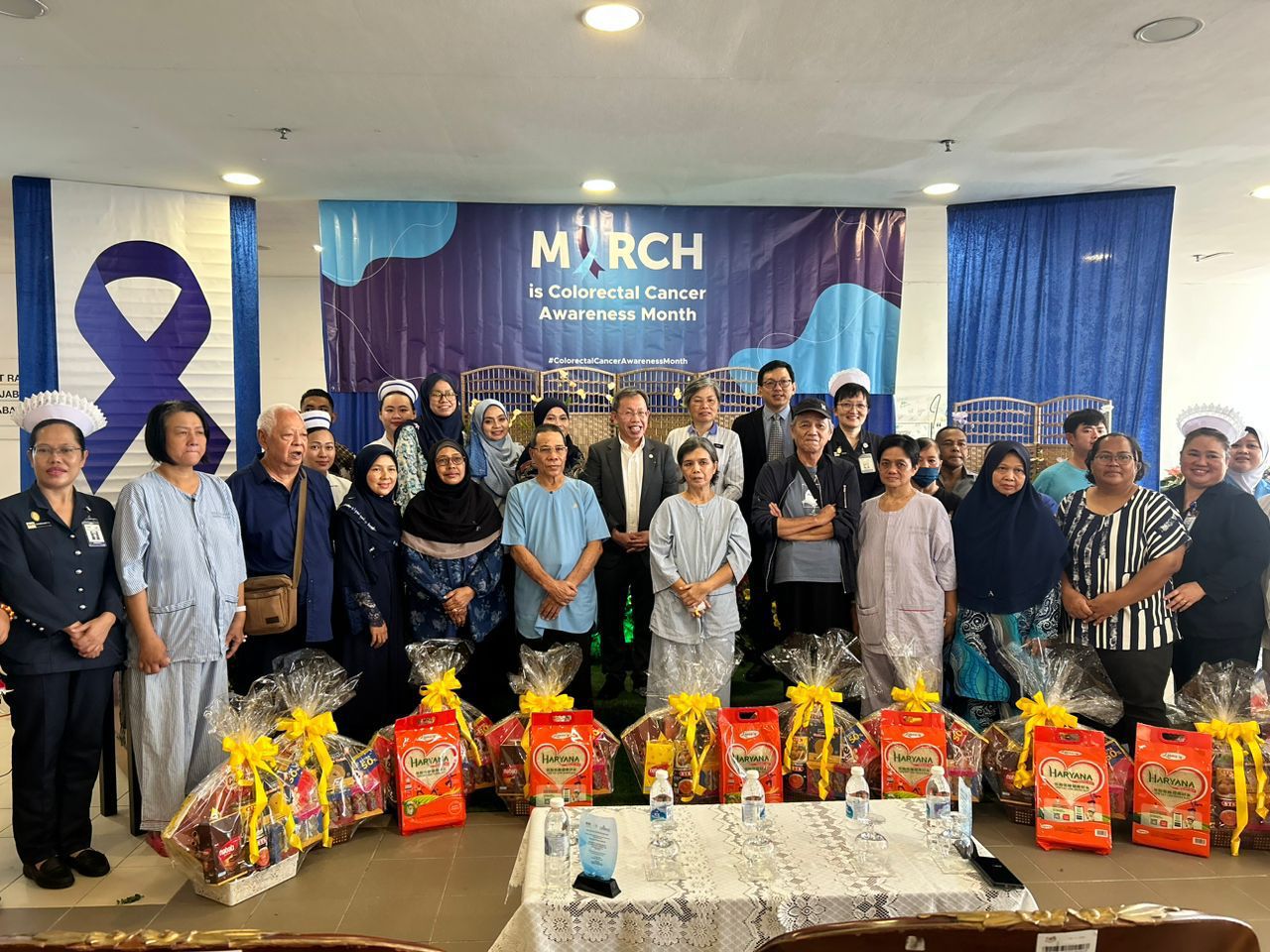
His text of speech was read out by Deputy Premier Datuk Amar Dr Sim Kui Hian at the Colorectal Cancer Awareness Campaign at the foyer of the Day Care Centre (DCC), Sarawak General Hospital today.
Abang Johari pointed out that early prevention is key to reducing the burden of the disease.
Through early screening methods such as the Faecal Immunochemical Test (FIT) and colonoscopy, he said healthcare providers are able to detect abnormalities before they develop into cancer.
He also said strengthening screening programmes particularly at the primary healthcare level is an important step in early prevention.
“Secondly, early detection can significantly improve treatment outcomes and survival rates. Through awareness campaigns and screening initiatives conducted at hospitals and community health facilities, we hope more individuals will come forward for screening and seek treatment at an early stage.
“I urge all parties, especially those aged 50 and above or individuals with a family history of colorectal cancer, not to delay screening,” he said.
Abang Johari also stressed that practising a healthy lifestyle remains one of the most effective ways to reduce the risk of colorectal cancer.
He said colorectal cancer is a disease that can be prevented, detected early and effectively treated if timely action is taken.
“A balanced diet, reducing fatty food intake, engaging in regular physical activity and avoiding smoking are key components in maintaining good colorectal health.
“Awareness, early screening and healthy lifestyle choices play a vital role in reducing the burden of this disease in our community.
“Therefore, collaboration among all parties, including healthcare professionals, the community and organisations, is essential in encouraging regular screening and supporting those affected by colorectal cancer. Together, we can build a healthier community and ensure lives are saved through early detection and timely treatment,” he said.