SERIAN: The Sarawak Government has disbursed compensation cheques to landowners affected by public infrastructure projects, reiterating that all acquisitions are carried out lawfully and with “adequate compensation” as guaranteed under the Sarawak Land Code and Article 13 of the Federal Constitution.
According to Deputy Premier Datuk Amar Awang Tengah, land acquisition is sometimes unavoidable when the state builds critical facilities such as power substations, transmission and distribution lines, roads, bridges and water supply systems that connect villages, longhouses and growth centres.
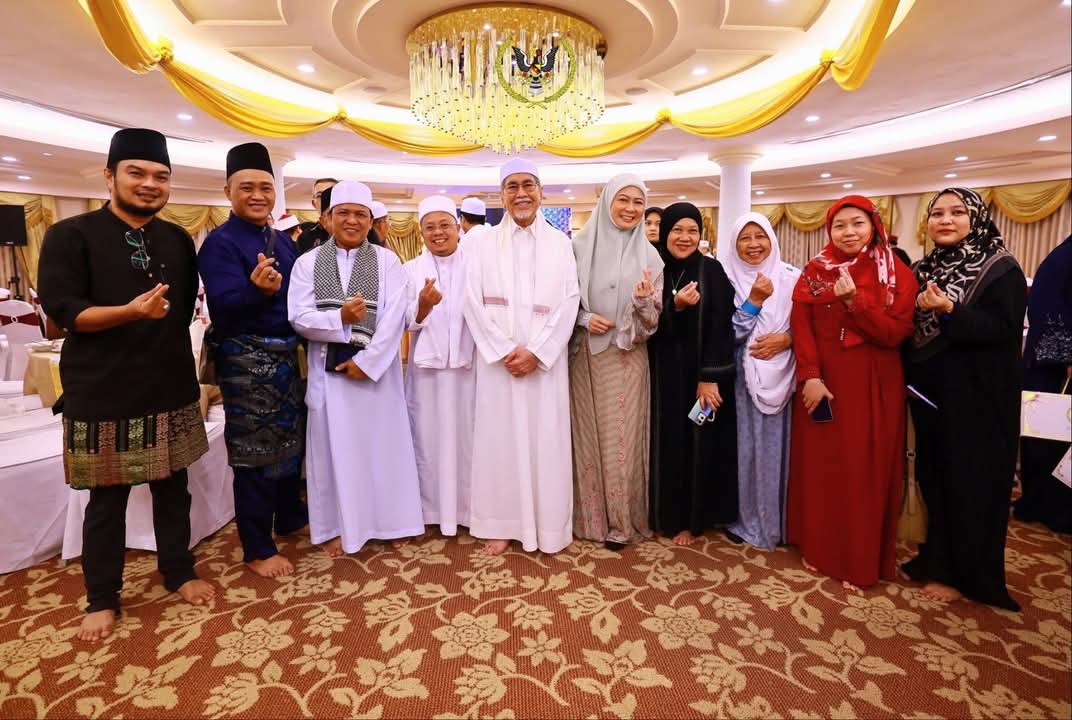
“We do not take land for free,” he stressed in his speech at the event for the Presentation of Land Compensation Cheques, Gazettal of Bumiputera Communal Reserve under Section 6 of the State Land Code, and Issuance of Land Titles under Section 18 of the State Land Code for the Serian & Kuching Divisions held at the Serian Convention Centre today.
He explained that leaving essential infrastructure too far from settlements to avoid any land take would defeat the very purpose of development.
“Alignments are selected in the public interest, then processed under the legal framework that safeguards owners’ rights.
“Our responsibility is to deliver roads, electricity and water to the people, and to compensate landowners fairly and transparently when their land is required,” he said.
Tengah added that the Land and Survey Department engages affected communities before surveys, issues the required notices, and pauses fieldwork when claims are disputed in court.
“If a matter is before the courts, we wait. Once disputes are resolved and applications are in order, we proceed,” he said.
He also called out misinformation circulating on social media, urging the public to judge the process by facts: acquisitions are done under clear statutes, compensation is paid, and independent valuation methods are applied.
“Without close cooperation on the ground, we cannot meet timelines or deliver benefits. With cooperation, everyone sees the results: safer roads, reliable electricity, clean water,” he said.
Furthermore, Tengah appealed to local leaders to help facilitate site access, boundary verification, and timely presence during survey work.
“Our teams are on the ground regularly. Please work with them so compensation and construction can move in tandem,” he said.
Framing the exercise as part of a broader push to raise living standards across urban, rural and interior areas, Awang Tengah said the state would continue balancing urgent connectivity needs with the rights of landowners.
“The objective is simple: better services for the people, and fair treatment for those who make room for progress,” he said.