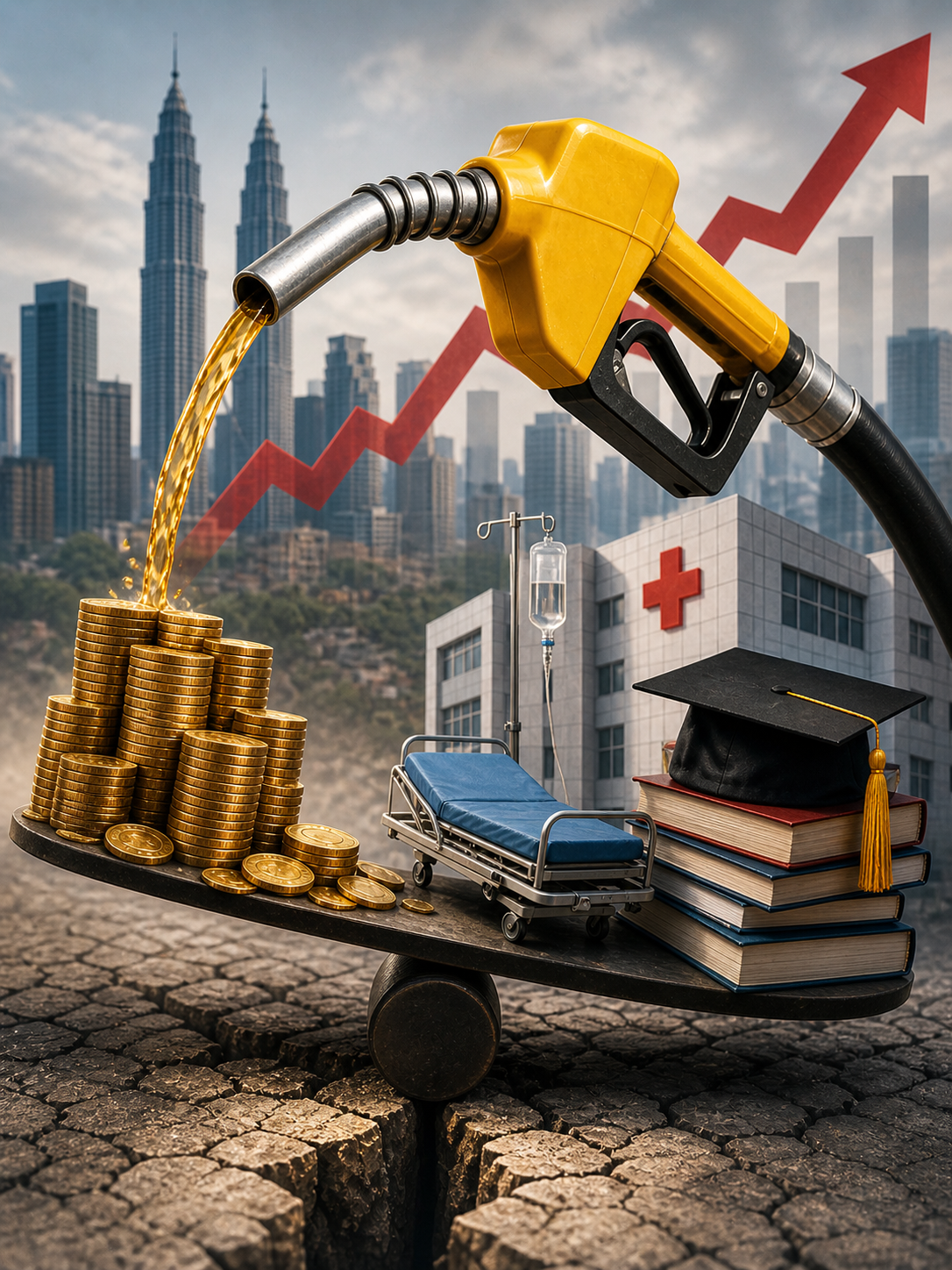
KUCHING: Malaysia’s ballooning fuel subsidy bill is beginning to crowd out spending on healthcare and higher education, raising concerns over fiscal sustainability.
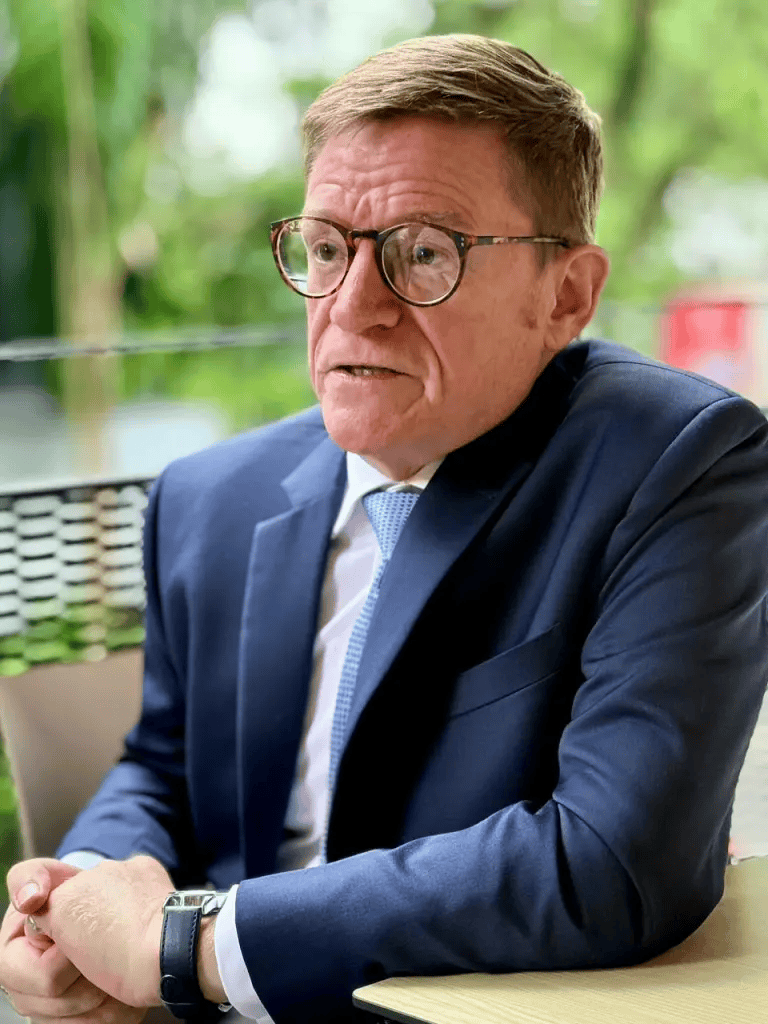
Williams Business Consultancy Sdn Bhd founder and director Geoffrey Williams said the subsidy bill had surged tenfold—from RM700 million a month to RM7 billion—placing significant strain on government finances.
“At this rate, the subsidy bill for the remainder of the year would reach RM58.4 billion, far exceeding the initial RM15 billion allocation,” he said.
The pressure has intensified following the Treasury’s directive to identify RM10 billion in cost savings, although no specific areas were outlined.
Williams said in reality, meaningful cuts could not come from smaller agencies.
“When you need to save billions quickly, you cannot look at small agencies—you have to go where the money is,” he said.
However, the largest spending items—civil service salaries and pensions, along with debt servicing—account for more than half of the budget and are effectively untouchable.
“That leaves health and higher education as the main areas where cuts can be made.”
He said the 2026 Budget reflects this shift, with allocations to the Ministry of Health reduced by RM3.06 billion (6.7 per cent), and higher education cut by RM2.39 billion (12.8 per cent).
While universities may be able to absorb the reduction due to existing reserves, Williams warned that cuts to healthcare would have more serious consequences.
“To find RM3 billion, the government will likely freeze development spending, delay maintenance and postpone new hospitals and clinics,” he said.
Elective procedures and nonessential treatments are also expected to face longer waiting times.
“To be brutally honest, cutting health spending means putting money ahead of people.
Vulnerable patients are put at risk.
“In the harshest terms, people may die so that Malaysians can enjoy cheap petrol,” he said.
Williams described this as the trade-off behind the government’s decision to keep RON95 below RM2 per litre.
Attempts at subsidy rationalisation—such as targeted quotas and higher prices for foreigners—have had limited impact, he said, as most consumers remain unaffected and fuel demand stays high.
“If spending is not controlled, the government risks breaching its budget, which could lead to higher taxes or increased borrowing.
“That would hurt Malaysia’s fiscal credibility and raise the risk premium on government bonds,” he said. He added that alternatives exist but require political will.
Among them, reducing the current 200-litre subsidised quota to 100 litres and introducing tiered pricing beyond that level.
“Lower-income groups rarely exceed 100 litres, so the higher cost would mainly affect wealthier users,” he said.
He also proposed wider adoption of work-from-home arrangements, which could cut fuel demand by up to 30 per cent almost immediately.
Ultimately, Williams said the government must reset public expectations.
“The message should be clear: those who can afford it must pay more at the pump to protect healthcare and education,” he said.
He also questioned why subsidy costs had surged so sharply despite relatively stable global oil prices.
“A jump from RM700 million to RM7 billion suggests more than market movement—it points to leakages or inefficiencies that must be addressed,” he said.
Malaysia, he said, cannot continue trading long-term wellbeing for short-term fuel subsidies.
“The price of cheap petrol is simply too high.”