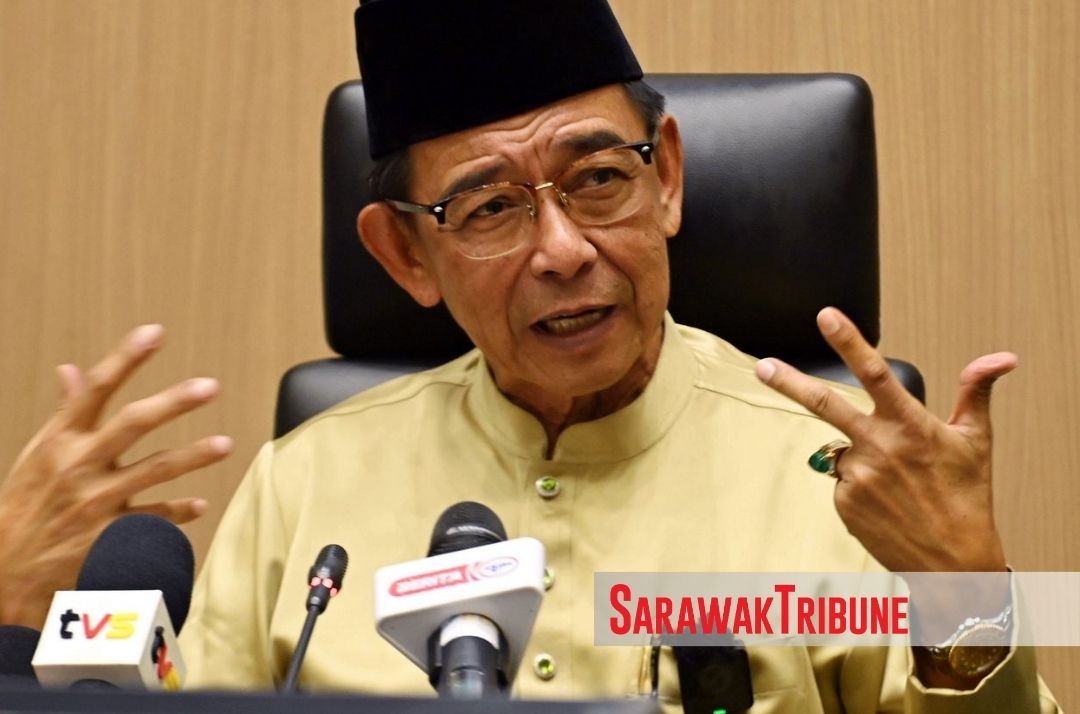
KUCHING: The Sarawak Teachers Union (STU) views the abolition of the Ministry of Education’s Training Management System (SPLKPM) as a constructive move that helps reduce teachers’ workload and enables them to concentrate once again on their primary responsibilities of teaching and nurturing student development.
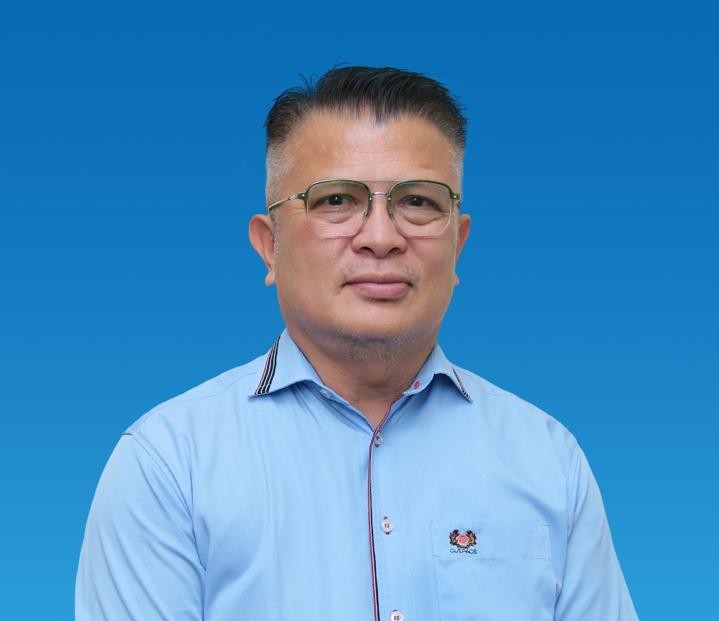
STU president Kullin Djayang said the decision had opened up space for teachers to remain focused on teaching and learning (PdP) as well as holistic student development, without being burdened by excessive administrative requirements.
“STU welcomes the abolition of the SPLKPM as it is seen to reduce teachers’ workload. This allows teachers to stay focused on PdP and the development of students,” he told Sarawak Tribune on Monday (Dec 22).
However, Kullin stressed that if the Ministry of Education Malaysia (KPM) intends to introduce an alternative system, it must be more flexible and based on the real needs of teachers to ensure continuity in professional training, particularly in preparation for the implementation of a new curriculum.
He explained that the main impact of abolishing SPLKPM is the opportunity for teachers to focus more on quality teaching, effective assessment, student guidance and co-curricular activities, without the pressure of chasing credit points.
“The abolition is also seen as a way to return education to its original purpose, which is to shape individuals with strong morals and character rather than merely fulfilling system requirements.”
As alternatives, STU proposed that professional development training be implemented through workshops, professional learning communities (PLC) and courses that are directly aligned with teachers’ actual needs. Should documentation be required, Kullin said it should be simplified or limited to reflective PdP records that are not burdensome.
He added that real teaching experience, co-curricular activities, student mentoring and PdP innovation should also be recognised as indicators of professional development, rather than relying solely on formal courses.
“As a union, STU has organised various professional development programmes such as leadership camps for teachers, women’s seminars, protocol and salutation seminars, proposal-writing workshops, healthcare seminars and examination excellence seminars for both teachers and students. All these programmes are offered free of charge to STU members.”
Kullin said STU is fully prepared to provide input, views and cooperation to KPM, particularly in developing realistic training guidelines, improving the implementation of the new curriculum, and safeguarding teachers’ welfare and professionalism.
STU also emphasised that any successful education policy must involve the active participation of teachers’ voices as the main implementers at the grassroots level.
On the issue of credit points, Kullin strongly urged that teachers be given the autonomy to complete the required credits throughout the year, without fixed timelines or quarterly targets imposed by education authorities.
“There should be no pressure from any party, whether the State Education Department, District Education Office or school management, in setting specific timelines or percentages each quarter. What matters is that teachers achieve the level or number of credits set by KPM, in accordance with their own time and suitability.”
KPM decided to abolish the SPLKPM as part of efforts to reduce teachers’ workload, and Education Minister Fadhlina Sidek said the decision was made following ongoing assessments and feedback from educators, many of whom had raised concerns that the system’s requirements risked diverting their focus from effective teaching and learning in the classroom.