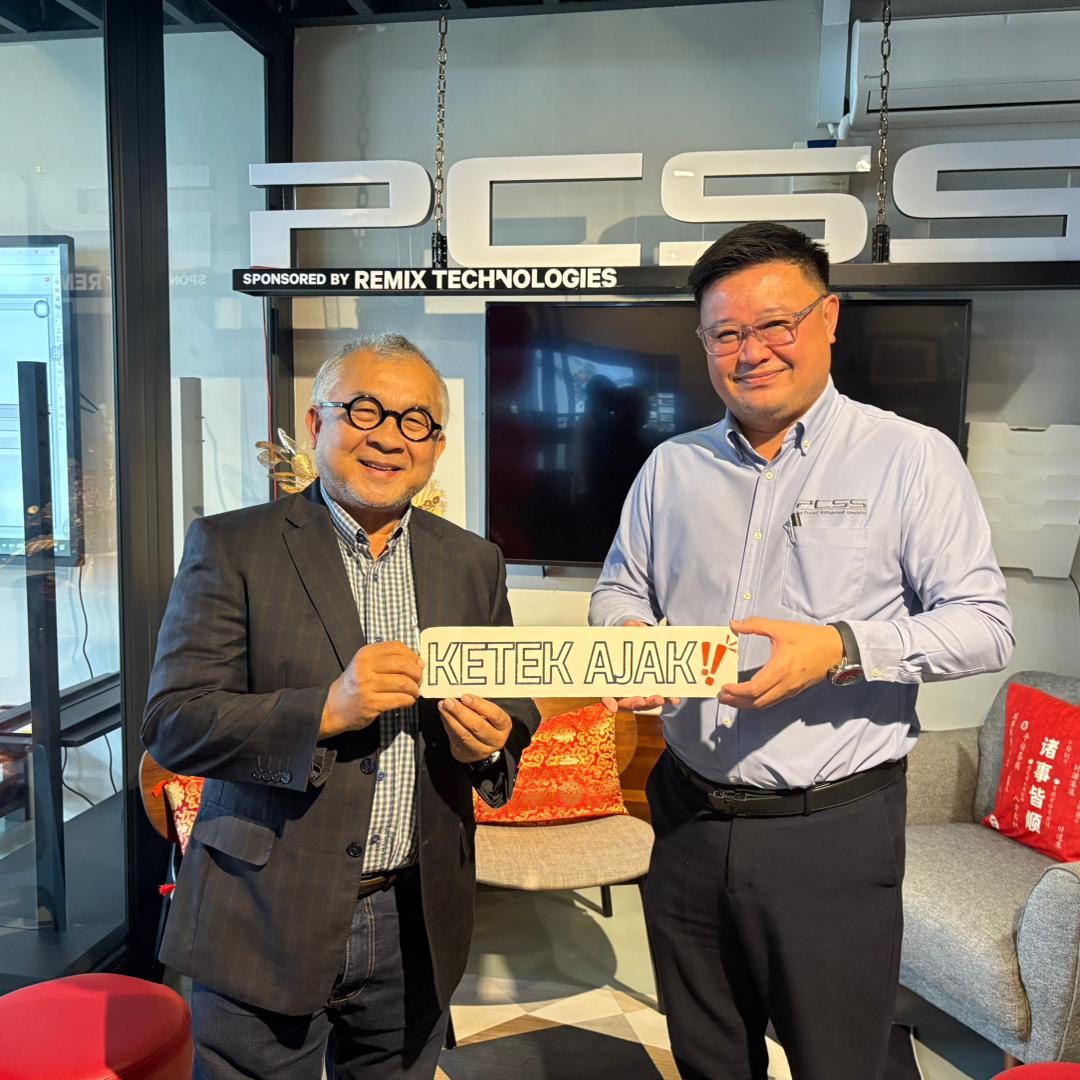
KUCHING: The Sarawak Teachers’ Union (STU) has urged the Education Service Commission (SPP) to tighten its screening process for new teacher appointments, raising concern over what it described as a rushed intake that could compromise education standards.
STU President, Kullin Djayang, said that recent recruitment exercises revealed that some candidates from private higher-learning institutions who did not meet basic academic requirements, including a minimum of 5As in SPM and a 3.0 CGPA at STPM, had already been posted to schools.
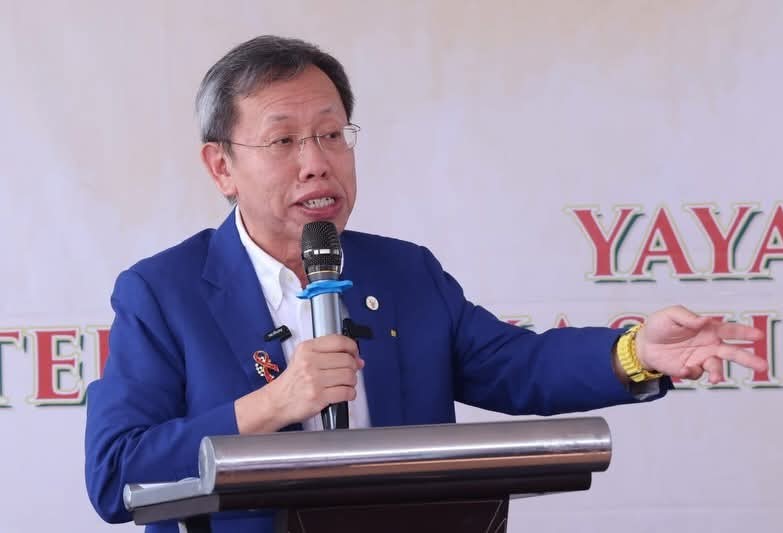
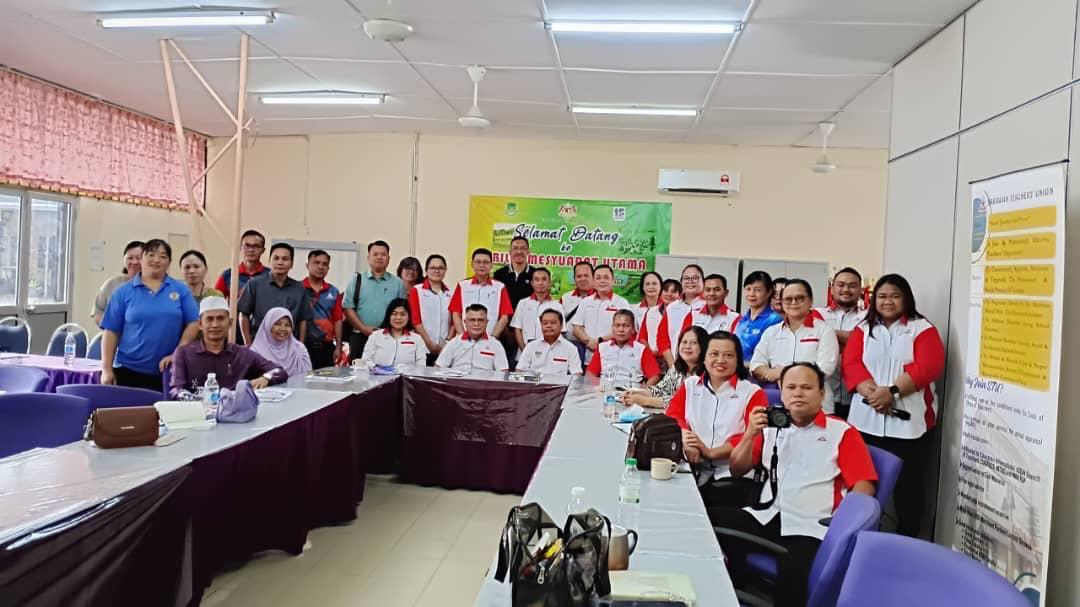
“We do not question the credibility of SPP or the Malaysian Qualifications Agency (MQA), but several matters require serious attention,” Kullin said while officiating at the STU Serian Division’s programme on Union Awareness and the Role of School Representatives.
Kullin stressed that all teacher candidates must undergo the same stringent standards practised by teacher training institutes (IPG) and public universities, which require strong academic results, the MEDSI or UKELP assessments, and specialised interviews.
“We have consistently emphasised that, despite the need to fill teacher shortages, candidates must go through proper screening.
“STU also remains firm on maintaining the 90:10 ratio of Sarawakian teachers,” he added.
He said that new teachers from private institutions who are already serving in schools should also be required to sit for additional assessments, including educational psychology, subject-based pedagogy and psychometric evaluation.
“For English-language specialisation, candidates must fulfil the CEFR C1 requirement before being appointed to permanent positions to ensure competency,” he said.
Kullin also urged MQA to increase the frequency of audits on private institutions, focusing on core components such as campus facilities, curriculum quality and lecturer qualifications before granting accreditation.
“Our hope is that private institutions stop admitting candidates with extremely minimal qualifications into teacher-training programmes. Many excellent students are denied entry into IPG and public universities due to limited seats,” he said.
“Private institutions should train these qualified students instead. Otherwise, it is an injustice to them,” he added.