KUCHING: As school holidays unfold across Sarawak, students are finding a balance between rest, recreation and informal learning, while parents view the break as a vital opportunity for family bonding and personal growth.
Visits to public spaces such as libraries, parks, malls and village recreational areas reveal students engaging in a variety of activities, from relaxing at home and playing video games to exploring the outdoors and learning through shared experiences with family.
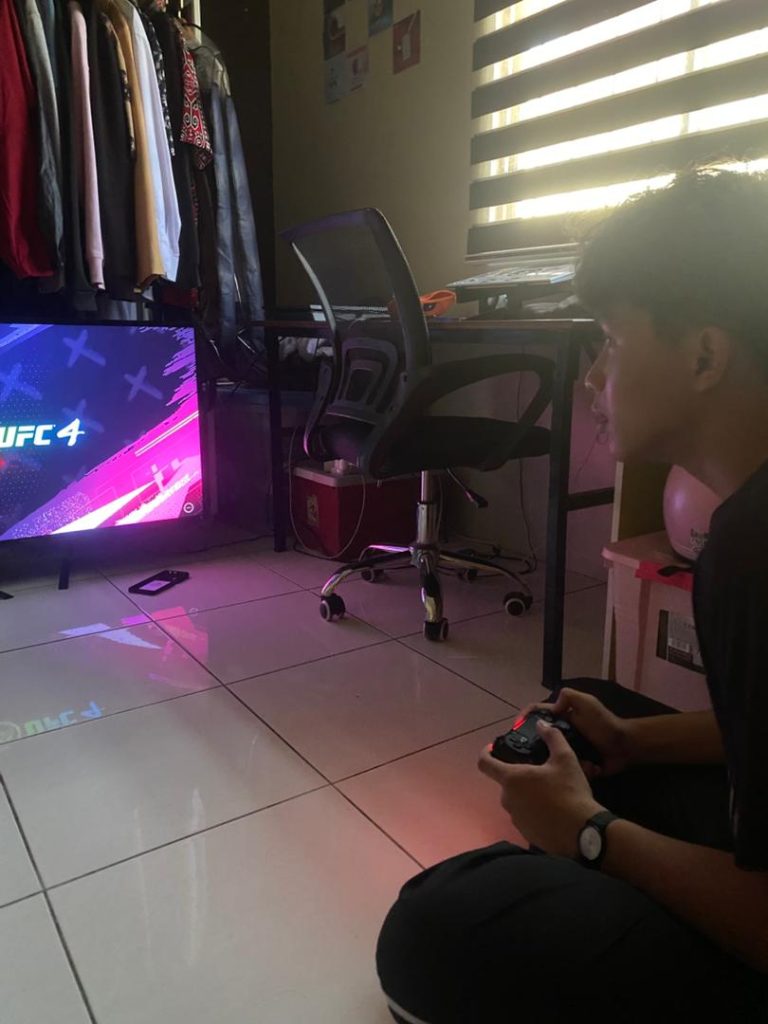
For 17-year-old student Muhammad Al Wafeeq, the school holidays represent a shift in pace after an academically demanding year, offering both relaxation and reflection.
“During this school holiday, I spend most of my time playing video games with my friends,” he said, noting that leisure activities are a common way for students to unwind after months of school commitments.
However, he emphasised that the most meaningful part of the break lies in spending time with family, something he finds difficult to do during the school term.
“During the school week, I’m busy with schoolwork, so I don’t have much time with my parents.
“The holidays give us a chance to go out together, like visiting the mall or watching movies as a family.”
Beyond rest, Wafeeq believes school holidays play a role in helping students develop emotionally and socially.
“Students have more time to recharge and try new activities, such as going for a hike with their family,” he said, adding that such experiences help build discipline, confidence and independence.
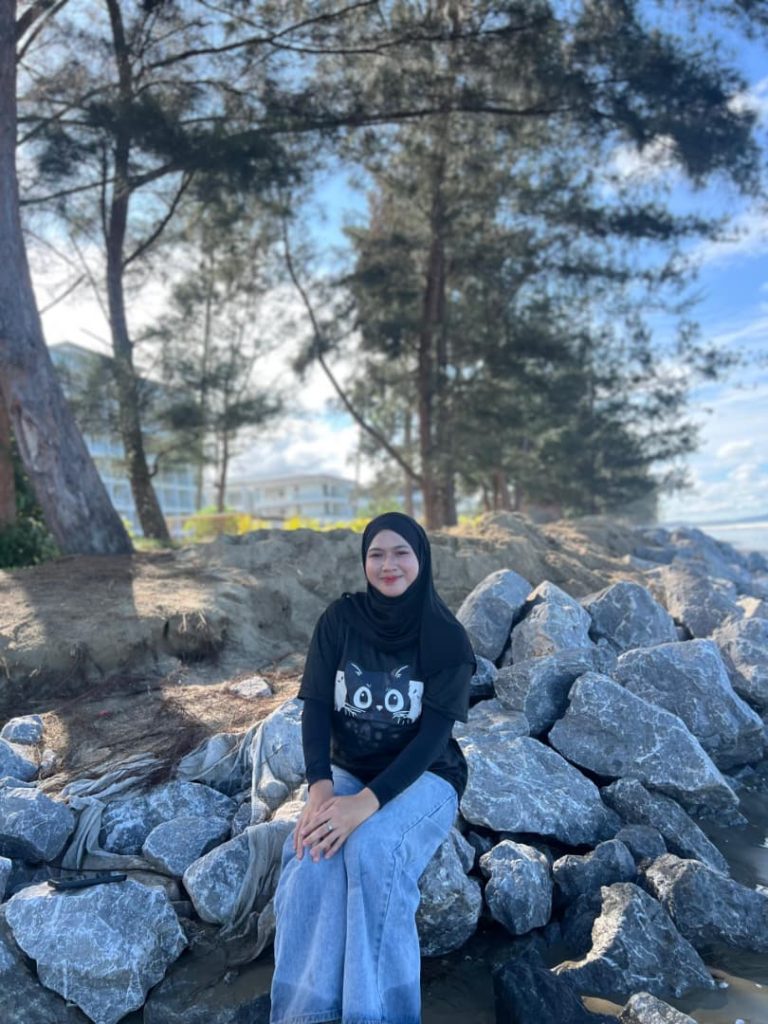
At the same time, he encouraged his peers to think more creatively about how they spend their free time, suggesting that interests such as gaming could be channelled into competitive or skill-based opportunities that offer both growth and rewards.
Similarly, 18-year-old Dayang Nur Liya Zafirah Awang Marekan described the school holidays as a period for rest and exposure beyond familiar routines.
She said she spends her break at home with family, participating in recreational activities in her village and travelling to other places, experiences she finds valuable for broadening her perspective.
“Travelling allows me to understand different areas and learn about the lifestyles of other communities,” she said, adding that such exposure helps students gain awareness beyond their immediate environment.
For Dayang Nur Liya, informal learning that takes place naturally through family interaction and real-world experiences is one of the most beneficial aspects of the holidays.
She believes the break provides students with mental rest while helping them develop social skills and personal confidence in ways that formal schooling may not always allow.
She also expressed hope that more skills-based programmes, sports activities and short courses could be introduced during school holidays, particularly those conducted outside the school setting.
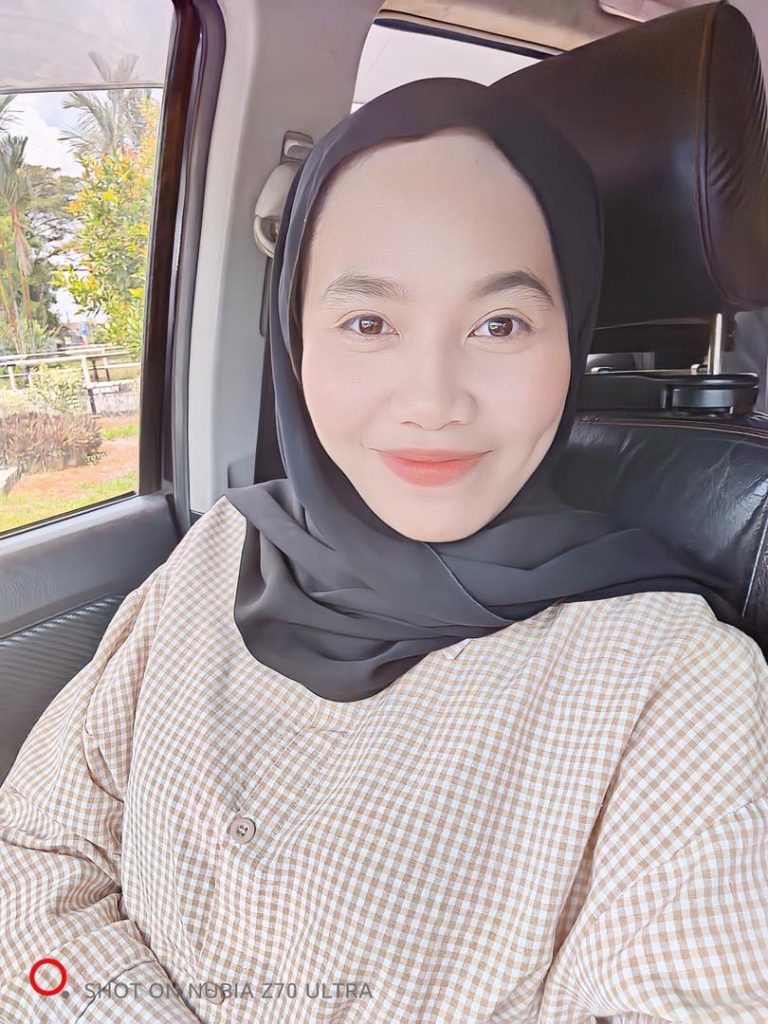
From a parent’s perspective, the school holidays are seen not only as a time for rest, but also as an opportunity to reinforce learning in a more relaxed and supportive environment.
Nurhaffizah Jalani, 36, said she uses the break to spend quality time with her children while maintaining a balance between leisure and learning.
During the holidays, she brings her children to libraries to read, goes on picnics and revises lessons together at home, alongside simple homework activities.
“In the classroom, learning is focused on the syllabus.
“Outside school, children have more space to explore and learn through play,” she said.
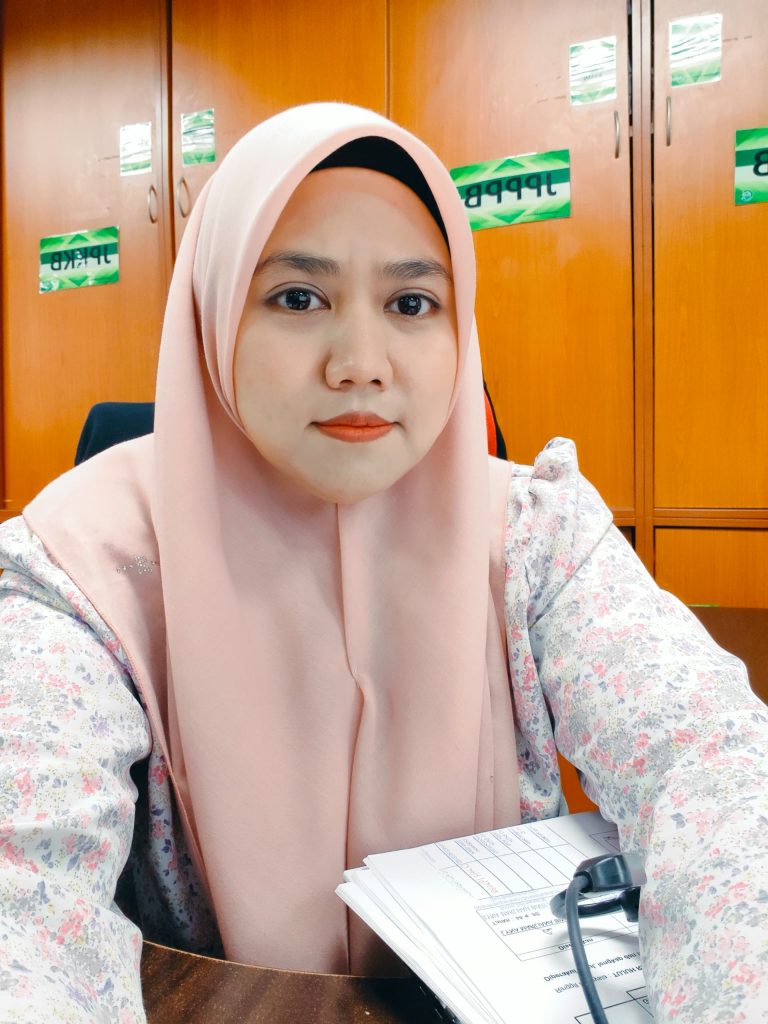
She believes this combination helps children absorb knowledge more naturally while strengthening family bonds.
Another parent, Shazarimah Ozir, 35, said the holidays also provide a valuable window to nurture responsibility and independence in children.
She accompanies her child in revising lessons to prepare for the upcoming academic year, while encouraging participation in daily household chores.
“Learning outside the classroom helps strengthen children’s memory because they learn by doing, not just by listening.”
Shazarimah hopes more family-oriented holiday programmes can be introduced, particularly those focusing on science, creativity, innovation and practical skills such as cooking, which she believes can help children develop confidence and self-reliance.
Overall, both students and parents agree that school holidays serve a broader purpose than simply offering a break from studies, providing an important period for rest, exploration and shared experiences that contribute to well-rounded development.