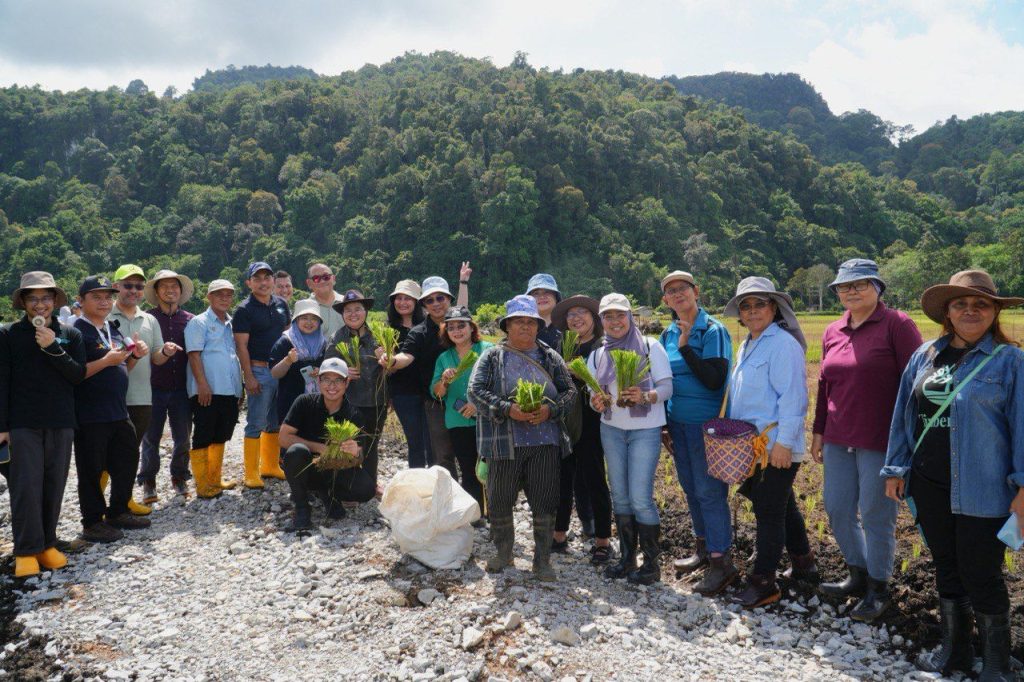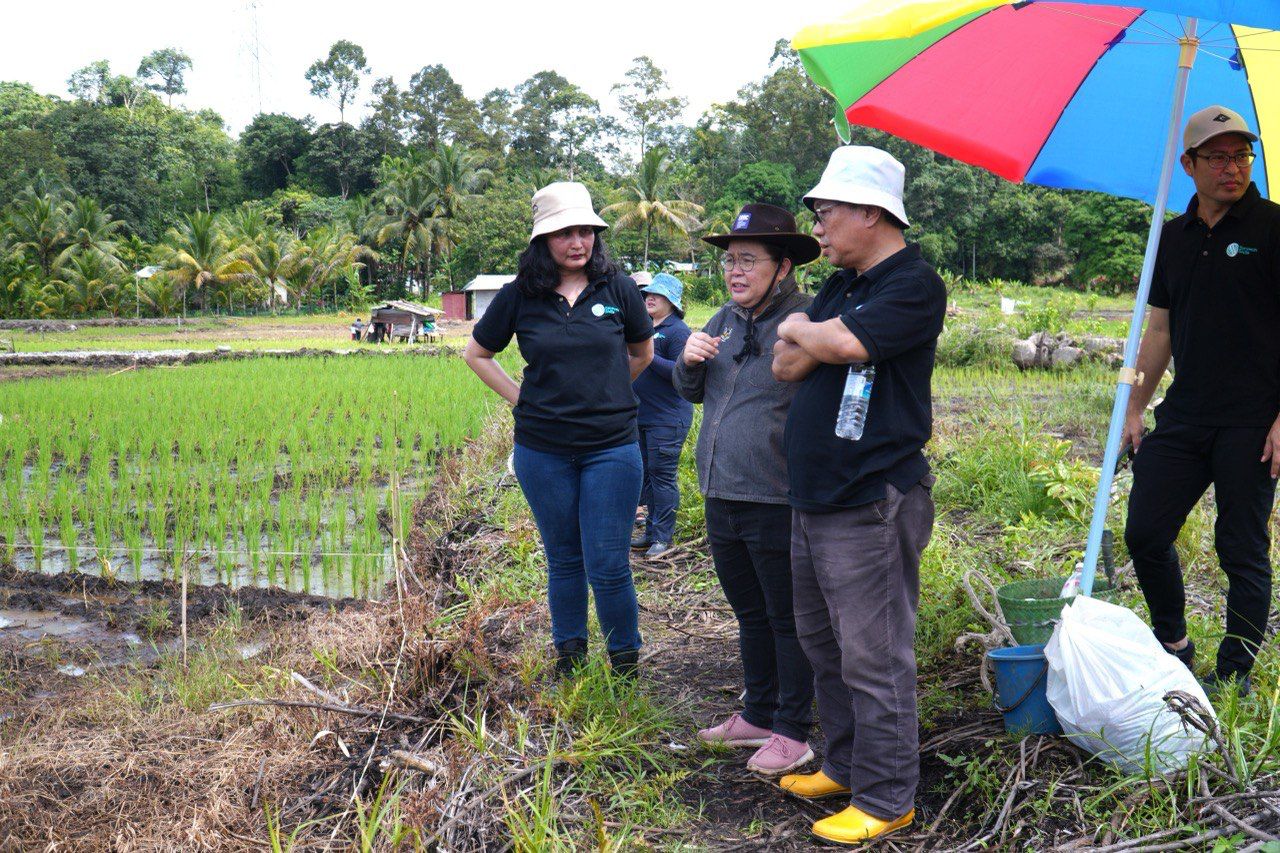
KUCHING: A working visit was held at the paddy cultivation project site in Tawang Baa, Padawan, to assess its progress, impact and long-term potential in supporting sustainable agriculture and improving rural livelihoods.
Sarawak Skills said the project, implemented by them and funded by Yayasan Hasanah and is emerging as a community-driven model for agricultural innovation in the state.
Permanent Deputy Secretary of the Ministry of Education, Innovation and Talent Development (MEITD) Anielia Siam, who was part of the visiting team, said the state government is committed to supporting initiatives that empower rural communities.
During the visit, she met with stakeholders to discuss challenges on the ground, training requirements and collaborative opportunities to further strengthen the project.
The project has received wide institutional support from MEITD, the Ministry of Food Industry, Commodity and Regional Development (M-FICORD), Sarawak Tourism Board (STB) and the Department of Agriculture (DOA) Sarawak.
This multi-agency cooperation highlights a shared goal of promoting sustainable agricultural practices while improving the socio-economic well-being of rural communities.
Sarawak Skills executive director Hallman Sabri said the initiative goes beyond agriculture, noting its broader social and economic objectives.
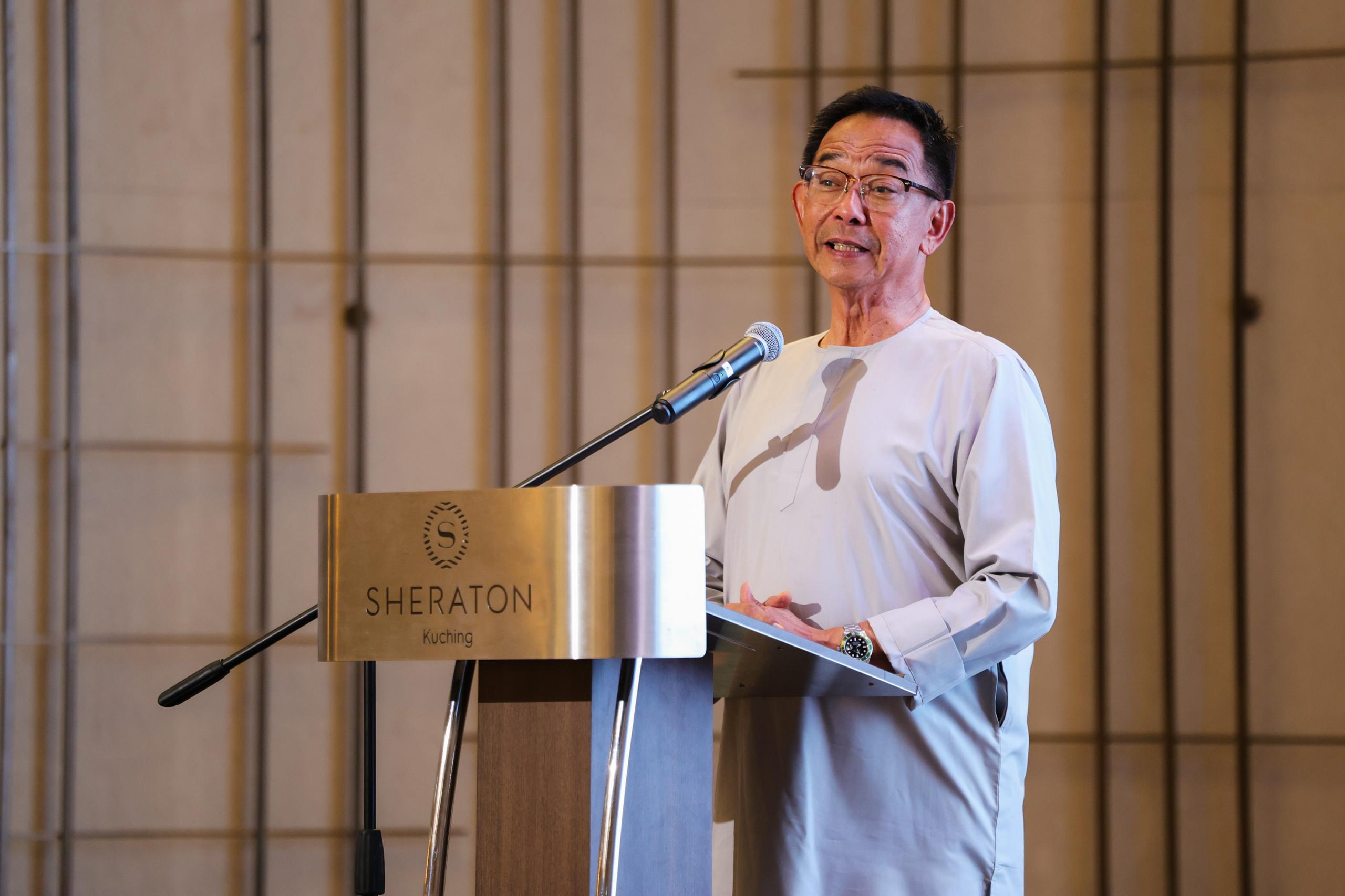
“The paddy cultivation project represents more than just agricultural development; it embodies our commitment to empowering rural communities through knowledge, skills and sustainable practices.
“By equipping farmers with modern cultivation techniques, improving productivity and fostering economic opportunities, we are laying the groundwork for long-term resilience and prosperity in Tawang Baa and beyond,” he said.
Meanwhile, Punau village chief Punet Siet also expressed gratitude to Yayasan Hasanah, Sarawak Skills, government ministries and partners for their support.
He acknowledged the project’s positive impact on the community, noting improved agricultural knowledge, enhanced farming capabilities and the renewed hope the initiative brings to local families.
The visit marks a key milestone as the project moves into its next phase of development, with stakeholders reaffirming their commitment to strengthening rural development through sustainable agriculture.