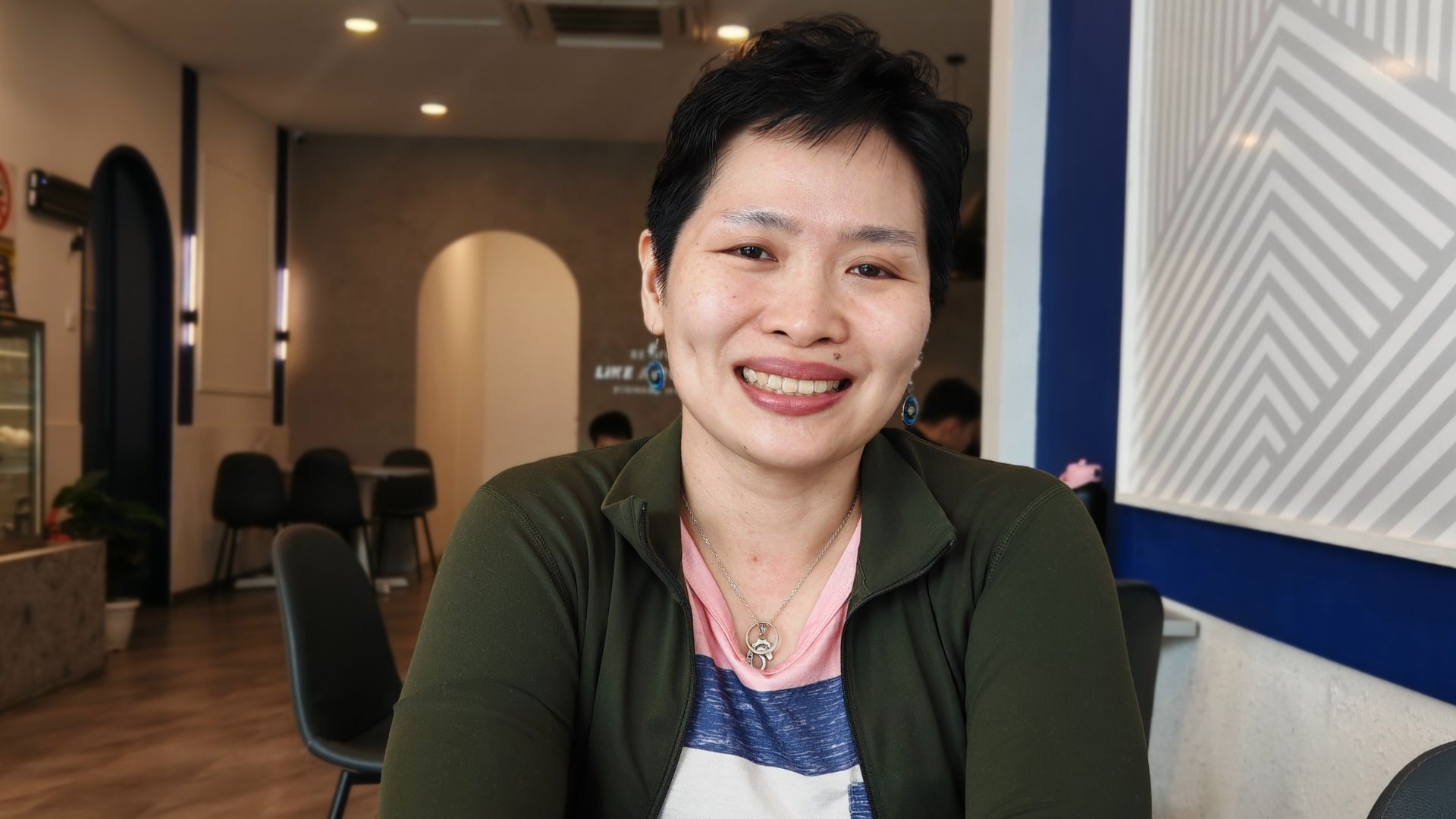
Orthopaedic Surgeon Professor Dr Haniza Sahdi shares her journey as a breast cancer patient, from early detection and treatment to recovery. Her story highlights the importance of regular screenings, staying positive, and finding strength in everyday routines, showing that resilience and self-care can help overcome life’s toughest challenges.
Finding strength in the face of cancer

When Orthopaedic Surgeon Professor Dr Haniza Sahdi saw her mammogram dotted with lumps in her right breast, a flurry of thoughts raced through her mind — each one a new worry waiting to unfold. Her biggest concern was her two children, who were nine and 11 last year when she was diagnosed with stage one breast cancer.
“After I told my husband and my parents about my diagnosis, I told my children — I said, ‘Look, kids, you have to grow up fast. You have to take care of yourself. Mummy is sick, mummy won’t be able to cook, or maybe at times, mummy cannot help you. It’s not that I don’t love you, but it’s because mummy is sick,’” recalled Dr Haniza.
Those moments helped her children grow in independence.
“Children are stronger than we think,” Dr Haniza said.
Throughout her mastectomy and chemotherapy, her kids, husband, parents, and brother supported her recovery.
Unexpected fate
What started as a mammogram check-up with her friend at Timberland Medical Centre, Kuching, was shocking to Dr Haniza, who had a history of a benign lump in her left breast five years ago. Still, she had kept a healthy lifestyle, from eating to exercising, and left it all at God’s will.

“That is why early screening is important. As a doctor, I do regular yearly check-ups, and since I have passed 40, I added mammogram screening into my regular routine.”
Used to delivering difficult news as a doctor, Dr Haniza found it surreal to become the patient. Seeing the report brought a flood of mixed emotions — laughter and tears.
To her, everything felt like a blur. After her visit with Timberland’s General, Breast, and Endocrine Surgeon, Dr Adibah Ali, she asked an important question: “After the surgery, when can I restart my workout regimen?”
As an avid fitness enthusiast, Zumba and Strong Nation instructor, and HIIT (High-Intensity Interval Training) practitioner, Dr Haniza found it hard to imagine life without movement. Exercise wasn’t just a hobby for her — it was therapy, discipline, and joy rolled into one.
Nevertheless, she remained strong. With a positive mindset, Dr Haniza, right after her mastectomy with Dr Adibah, underwent four cycles of chemotherapy from January to March this year, with Hari Raya as the celebration she awaited at the end of her treatment.
During this time, the UNIMAS lecturer cut her hair short, then later shaved her head.
“For me, being in control of something is important. Before my hair fell due to chemotherapy, I felt it was better to shave it myself first.
“I think it’s important to anticipate what will happen and be prepared. If you are prepared, you won’t regret it,” she added.


Rough seas throughout the treatment

The effects of chemotherapy were tough, especially after the first five days of each session. Nauseated and often with a bitter aftertaste, she tried to regain her “self” as much as she could. After her first session, she attempted exercising in the studio, but the aftereffects left her with a bad flu and cough due to respiratory tract infection and a weakened immune system.
“After three courses of antibiotics, the oncologist told me not to go out unnecessarily. I was advised to do my exercises at home, so I did some low-intensity routines. To me, exercising occupies my mind, so I insisted on doing it, though I couldn’t go overboard.”
She explained that when she tried HIIT at home, she ended up with a sore shoulder. Her recovery time extended from the usual two to three days to one week.
Meanwhile, her meal portions decreased. With nausea accompanying the treatment, Dr Haniza ate crackers dipped in Milo. On days she felt better, she ate small portions of rice and dishes.
She also shared the experience of the lingering bitter taste in her mouth due to chemotherapy. For comfort, she turned to chocolate. As cancer patients are advised to consume less sugar, a square from the chocolate bar was all she could handle.
“I tried everything to offset the bitter taste — sour preserved fruits, spicy candies — but it only worsened. Because of the chocolate I ate, I gained weight during chemotherapy. And during Hari Raya, I ate a lot of kek lapis,” chuckled Dr Haniza.
She opined that despite sickness, it’s alright to indulge oneself moderately.


A journey of lessons
Though she has seen numerous patients, her personal experience with cancer was unique. Now, as both doctor and patient, Dr Haniza strongly believes we can never take life too seriously. Her journey taught her an important lesson: to slow down, take a deep breath, and appreciate the little things.
“We can’t be too strict on our diet; sometimes we can indulge. Sometimes we can exercise, but not be too fanatic about it. There are days when it’s alright to rest, especially when you can’t push anymore. You have to listen to your body,” she advised.
Dr Haniza, also the Malaysian Consultation Lactation Association deputy chairman, shared her message to those currently fighting breast cancer: “Take things baby steps, and don’t think too far ahead. Focus on getting through day by day. Though planning for the future is important, planning daily is an achievement in itself.”
After completing chemotherapy, Dr Haniza gradually returned to working out under the guidance of her dedicated coaches and supportive workout buddies. Their encouragement played a vital role in hastening her recovery, helping her regain stamina, rebuild strength, and restore confidence in her physical abilities.
Today, Dr Haniza stands not only as a survivor but as a reminder that early detection saves lives, and that resilience is often found in the most ordinary routines. Her story underscores the truth that health isn’t just a physical state, but a balance of body, mind, and spirit. In that balance, she’s found her strength again — stronger, wiser, and ready to take on life’s next challenge.