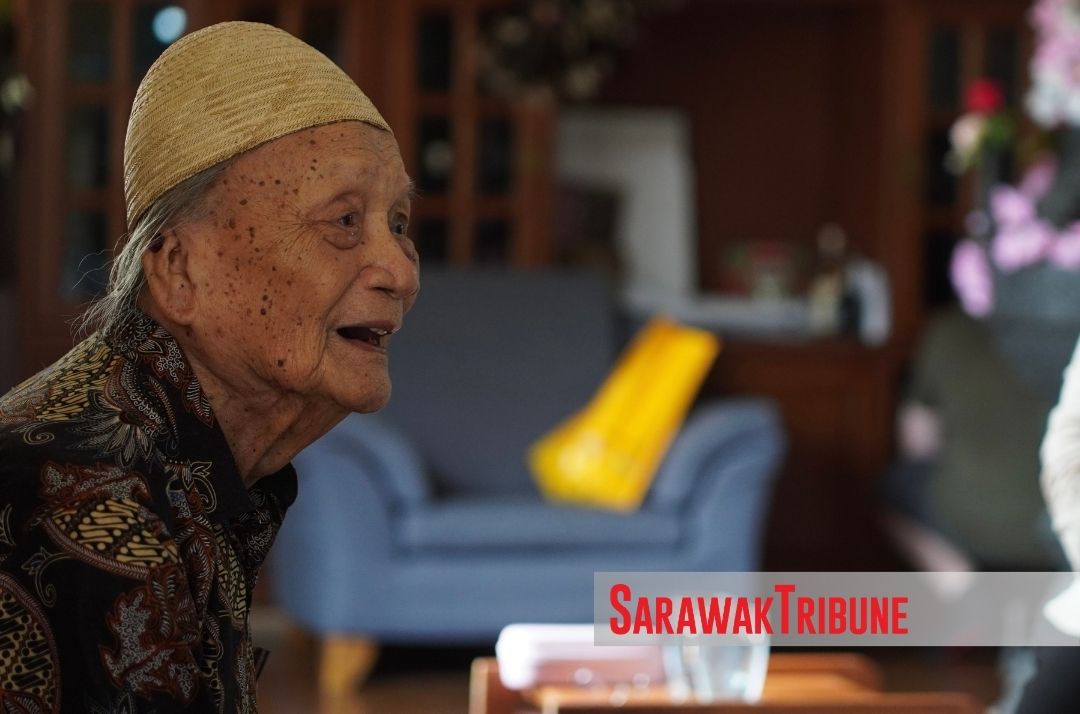
KUCHING: As his 100th birthday approaches, Datuk Seri Bo’ Tajang Laing no longer moves as quickly as he once did.
His hands, once steady enough to carve wood and build sape, now tremble slightly when he shifts in his seat.
But when he speaks about Sarawak, especially about education and the river, his mind remains sharp, his memories stretching back to a Sarawak few today can truly imagine.
It was a time of long journeys by river, villages without schools, and a future that felt fragile and uncertain.
He never planned to enter politics.
“I didn’t think about becoming a leader. It was fate. I only wanted to help my people,” he said in an exclusive interview with Sarawak Tribune.
He grew up in the upriver region, when development had barely reached the longhouses.
Travel was by river. Schools were limited. Medical help was far away and the river, he recalls, was dangerous.
“Every year, people died, the river took many lives,” he added.
Boat accidents were common and families frequently lost loved ones while travelling between villages.
Those tragedies struck close to Tajang’s heart because the victims were people he knew by name and face.
He chose to become a teacher because he believed education was the only way to change that reality.
But teaching also showed him how unequal access was.
Many villages did not even have schools and children walked long distances each day in pursuit of an education.
Some eventually stopped altogether. It was during his time as a teacher that community elders began encouraging him to step forward.
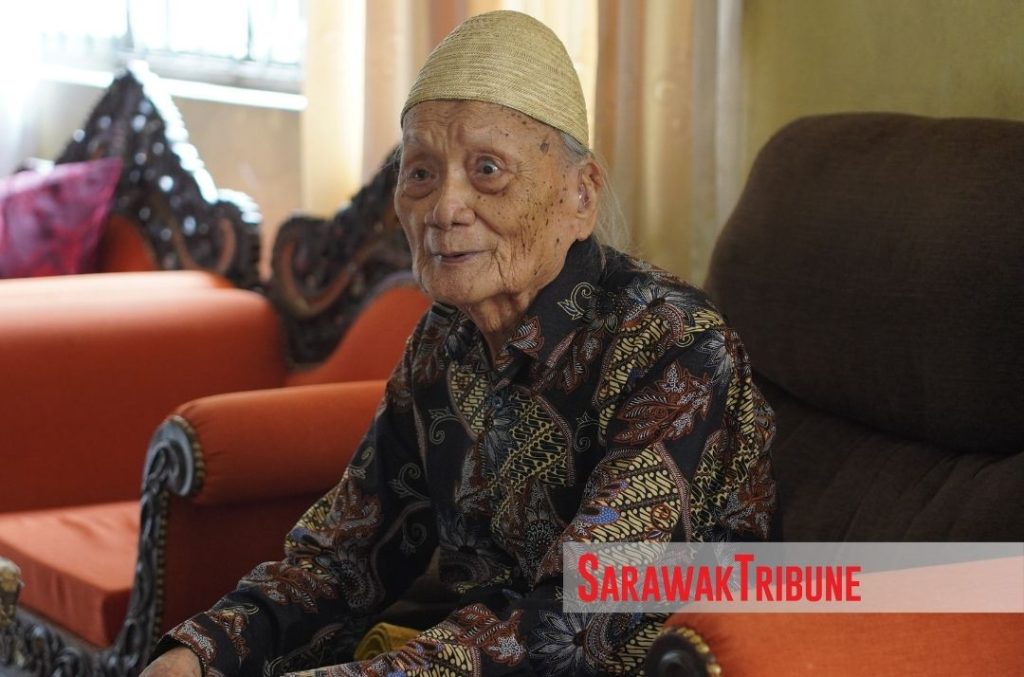
“They told me to work for the Orang Ulu, especially for education,” he said. “Our children needed schools.”
He entered politics reluctantly. From candidate to minister, he carried one main concern into meetings, which was to build schools in rural areas.
“If there was no school in a village, I asked for one, again and again,” he said.
He remembers inviting leaders, including the former chief minister at the time, who is also the late former Sarawak Governor, Tun Pehin Sri Abdul Taib Mahmud, to visit remote settlements.
“If they don’t see it, they won’t understand,” he said.
Among the most difficult periods of his career was the development linked to the Bakun Dam.
The project promised electricity, roads and improved infrastructure for those in the rural and interior areas. Leaders supported it.
However, many residents opposed relocation, unwilling to leave ancestral land and longhouses.
Tajang said he understood their fears and hesitation.
He had grown up the same way, yet he also carried the weight of the river’s toll.
“The leaders agreed it would help. But the people were afraid to move,” he said.
Still, he spoke plainly to them.
“I told them, think about how many have died from the river. Think about your children. We cannot stay like this forever,” he added.
For him, it was not an easy stance to take. Development meant change, and change meant sacrifice.
But to him, it was never about politics to begin with; it was about safety and opportunity.
Beyond local struggles, his public service also placed him at the centre of history during the formation of Malaysia in 1963.
Tajang also stood witness to history. He remembers the uncertainty at the time alongside the concerns about stability and Sarawak’s future.
For leaders of his generation, the Malaysia Agreement 1963 (MA63) was about protection as much as partnership.
“We did not want Sarawak to be taken by outsiders,” he said.
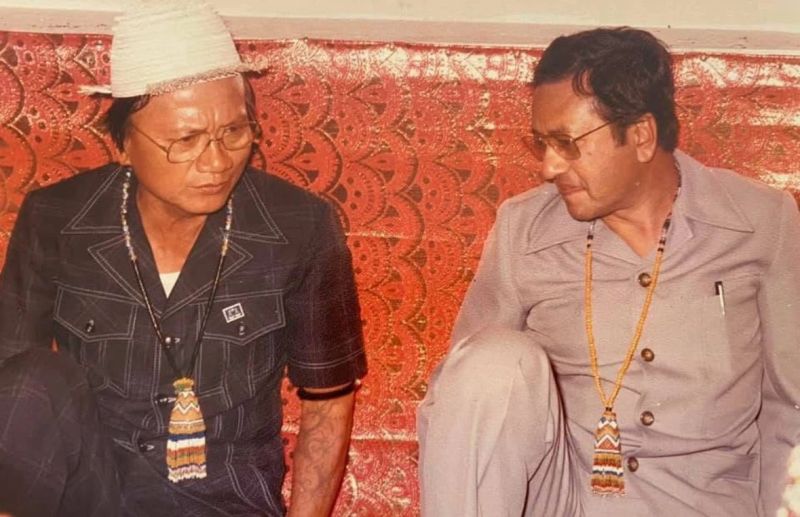
Today, he believes the state stands on stronger footing and has regained greater control over its autonomy and affairs.
He also believes the spirit of MA63 is being strengthened, particularly under Sarawak Premier, Datuk Patinggi Tan Sri Abang Johari Tun Openg.
“It is better now. Sarawak has more say and that is how it should be,” he emphasised.
What pleases him most, however, is education.
He praises the state’s Free Tertiary Education Scheme initiative, calling it a powerful tool for lifting families forward.
It was truly something he fought for in principle long before such policies existed.
In his younger days, only families who could afford it could send their children overseas to study.
Many capable students from rural backgrounds never had that opportunity.
“Education must be for everyone, and now our children have a chance,” he said.
Despite decades in public service, Tajang does not dwell on titles. Instead, he talks about community.
In his younger years, he carved wood, built longboats and speedboats for regattas, hunted, collected antiques and travelled whenever he could.
He enjoyed trying new gadgets and keeping up with change.
“I liked staying busy, I didn’t like to sit still,” he said with a faint smile.
His late wife, Datin Seri Debong Anyie, had stood firmly beside him throughout his political journey.
She was constantly organising gatherings, bringing women together, and strengthening longhouse communities.
Their partnership, says Tajang, was built on mutual support and shared purpose.
Now, age has slowed him.
He no longer carves or builds as he once did. But he still reads the news, still follows developments and still cares deeply about Sarawak’s direction.
As Sarawak continues to move forward, Tajang has one message for younger generations.
“Don’t just complain,” he said. “Work hard. Use the opportunities to move forward and improve lives.”
For a man who began life along a dangerous river and went on to shape policies that brought schools, roads and safer futures to countless villages, those words are truly golden.
Nearly 100 years on, Tajang Laing’s legacy is not written in titles or positions.
It is written in the classrooms standing where none once existed, and in the generations now free to dream beyond the riverbanks he once called home.