KUCHING: Sarawak is leaving it to the Ministry of Education, Innovation and Talent Development on the proposal for the state government to take over Universiti Malaysia Sarawak (UNIMAS).
Social activist Voon Shiak Ni had proposed the idea as a long-term measure to address the state’s acute shortage of doctors
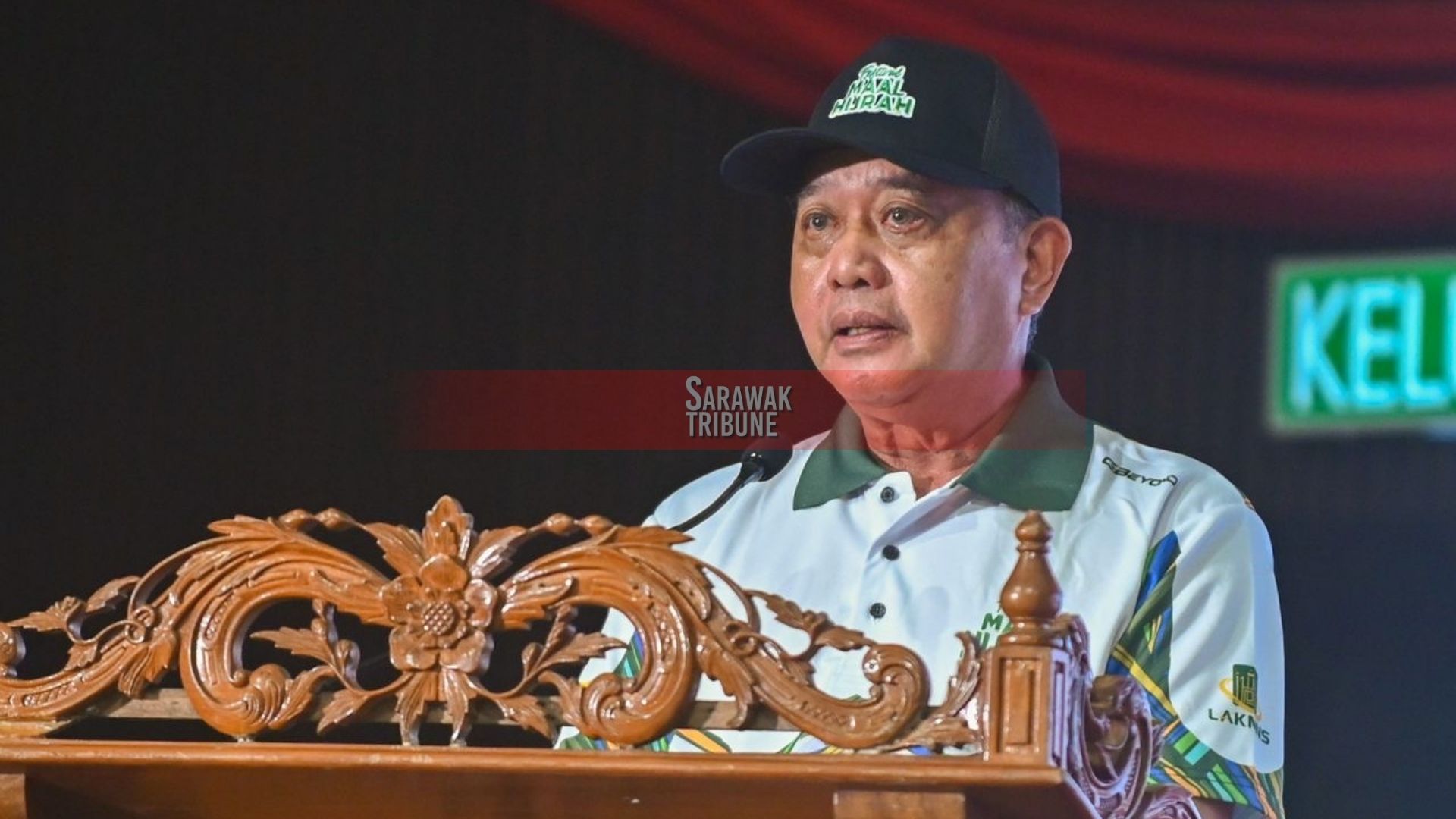
Deputy Premier Datuk Amar Dr Sim Kui Hian declined to talk about the suggestion, arguing that the matter should be left to Datuk Seri Roland Sagah, the minister in charge of education in Sarawak.
Dr Sim, who is the Minister of Public Health, Housing and Local Government, said each ministry has its respective role.
He said the issue of education autonomy is best addressed by Sagah.
“On health, I can talk. On education, it will fall under another ministry and that one I leave with Datuk Seri Roland Sagah,” he told reporters after officiating Mango Media (Borneo) at JT Building here today.
Voon had suggested that the Sarawak government should take over Unimas as a long-term measure to tackle the state’s critical shortage of doctors, noting that many top-performing students in Sarawak aspire to study medicine but are unable to secure placements in local universities.
Meanwhile, Dr Sim said education and health autonomy is tied into Sarawak’s constitutional rights under the Malaysia Agreement 1963 (MA63).
He said many Malaysians had long overlooked the significance of MA63, likening it to a “marriage certificate” that was signed in 1963 but only formally recognised in 2021 when amendments were made to the Federal Constitution.
According to him, this recognition has enabled Sarawak to formally engage in discussions about its rights, particularly in the areas of health and education autonomy.
“We are not being aggressive. It’s just that for many years we did not know our rights. Now we do, and we want to exercise them,” he said.
Dr Sim also noted that the process of reclaiming autonomy was complex, involving constitutional provisions such as Article 95C and potentially the amendment of more than 40 laws.
He stressed that while legislative changes may take years, Sarawak could also pursue alternative approaches such as delegation of powers from the federal government, provided there is sufficient political will.
At the same time, he reminded Sarawakians that autonomy in education and health cannot be achieved overnight, describing it as a gradual process of restoring rights that had previously been eroded.
“It’s not like setting up a company where you agree today and walk away tomorrow. This is a very complex issue. What matters is that Sarawakians must stay focused and understand the bigger picture,” he added.
Dr Sim said health and education autonomy remains the “biggest hurdles” ahead, given their wide-ranging implications, from schools to higher education and medical services.
He stressed the importance of continuing to educate the public on these matters so that future generations are aware of Sarawak’s rights and the progress being made.