KUCHING: The shift to targeted RON95 subsidies could mark a turning point in Malaysia’s decades-old fuel policy, plugging leakages and freeing up billions in public funds.
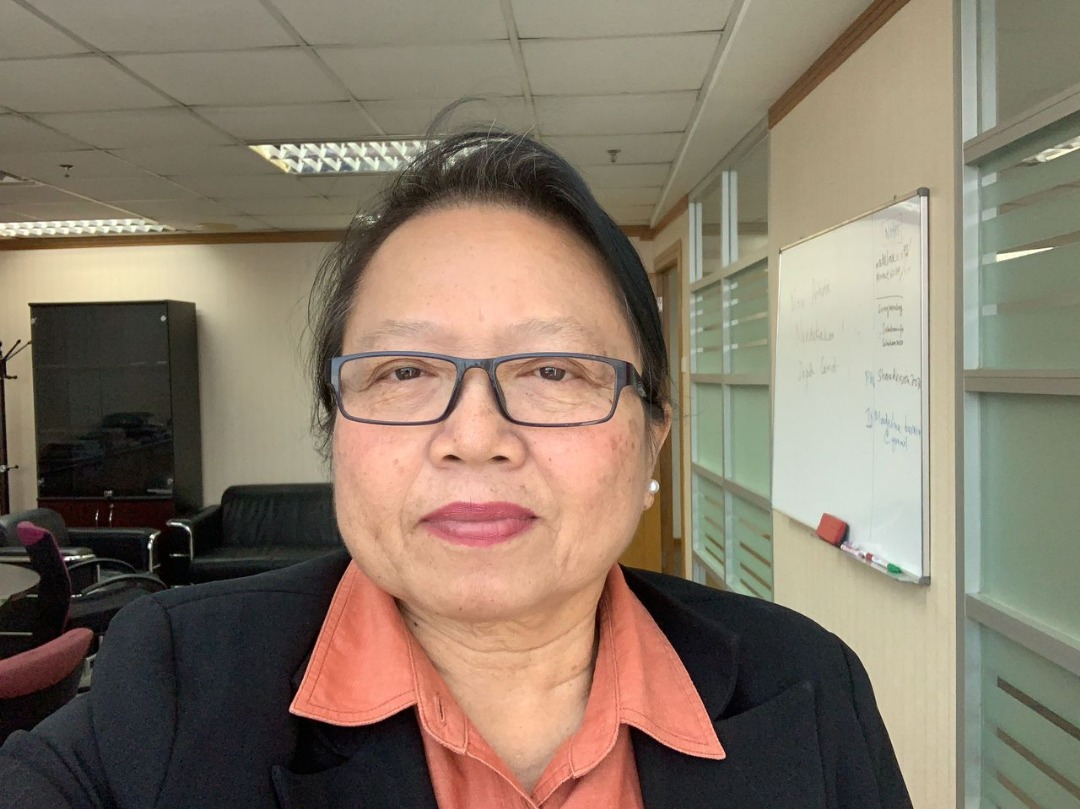
Institut Masa Depan Malaysia (MASA) Senior Fellow, Datuk Dr Madeline Berma, said the government’s broader move to roll out targeted subsidies and restructure cash aid reflects a necessary pivot from blanket assistance to more precise support mechanisms.
She added that the shift to targeted assistance is a step towards creating a more equitable and sustainable welfare system.
“The government has taken a bold step to restructure fuel subsidies and cash assistance schemes from a blanket to a targeted approach.
“This shows a commitment to fiscal responsibility, long-term economic stability, and social equity,” she told Sarawak Tribune.
She said the proposed targeted subsidy for RON95 petrol is a positive move, but the implementation will be complex and requires careful planning.
She stressed that the government must ensure that the benefits reach the right group of people and do not burden those who are already struggling.
“Clear communication and transparency are essential to gain public trust and ensure smooth implementation,” she said.
On the RM100 Sumbangan Asas Rahmah (SARA), she said the cash aid helps ease the burden of the rising cost of living and inflation.
“This support is especially important for vulnerable groups such as the B40, the elderly, single mothers, and individuals with disabilities.
“While RM100 provides some relief, it may not be sufficient in areas with a higher cost of living or for families with many dependents,” she said.
On the Jualan Rahmah MADANI programme, Madeline welcomed the continuation and expansion of the initiative, noting that it helps ease the cost of living by offering essential goods at lower prices.
“This programme benefits low-income households and promotes access to affordable food. Moreover, the programme supports local producers and suppliers, contributing to the local economy,” she said.
In terms of grassroots efforts, Madeline said the Sejahtera MADANI initiative strengthens the delivery of services and resources at the community level and is particularly useful in addressing the needs of vulnerable groups in rural and remote areas.
“It helps foster community resilience, social cohesion, and empowerment,” she said.
She noted that the Kampung Angkat MADANI and Sekolah Angkat MADANI programmes promote the involvement of government-linked companies and private firms in supporting rural communities and schools.
“This partnership can help bridge the gap in resources and opportunities between urban and rural areas,” she said.
Madeline added that with proper planning, monitoring, and evaluation, these initiatives can lead to significant improvements in rural development and education outcomes.
She said the overall success of the government’s initiatives depends on clear targeting, effective implementation, continuous monitoring, and regular evaluation.
“Public feedback should be considered to make necessary adjustments and improvements to the programmes,” she said.